Essay
By Noam Backner
Harmony, at Times, Comes Down to a Plate
Lake Erhai, the Bai people, and the delicate link between solo garlic, water flowers, and ecological restoration.
Harmony, at times, comes down to a plate.
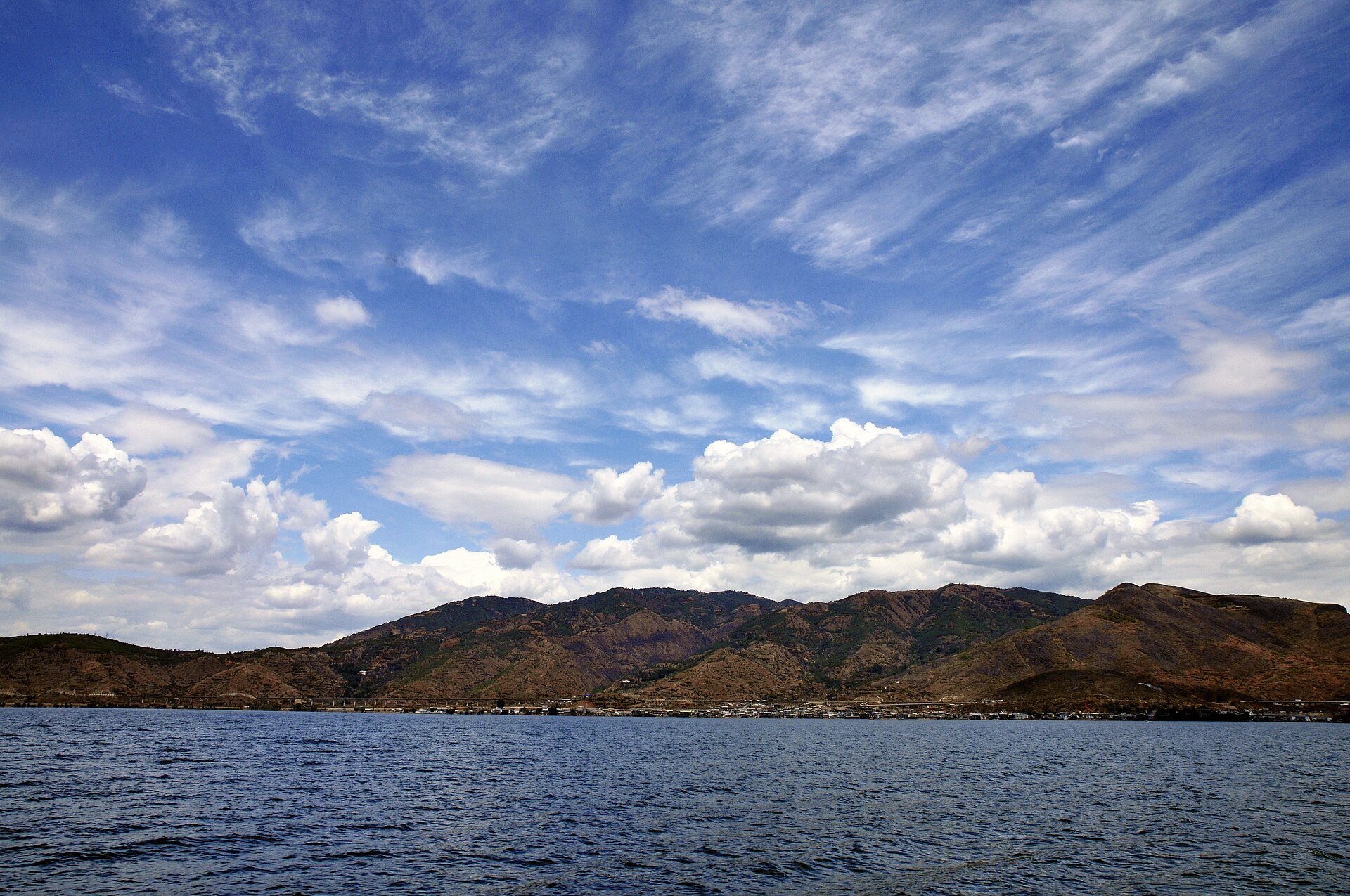
For centuries, Lake Erhai and the waterways feeding it have been the lifeblood of the valley. Fed by seventeen rivers and serving as a headwater for the Mekong, it remains the most significant body of water in northwestern Yunnan.
It is difficult to imagine Bai culture without the lake. Life along its shores, the transport routes tracing its length, and a geography poised between the mountains and the water have made this valley the region’s most vital human hub.
Yet while Yunnan is a center in its own right, as an imperial periphery it has endured long cycles of ebb and flow. When rebellions, regional wars, and the eventual collapse of historical trade routes took hold, the province was condemned to decades of abject poverty.
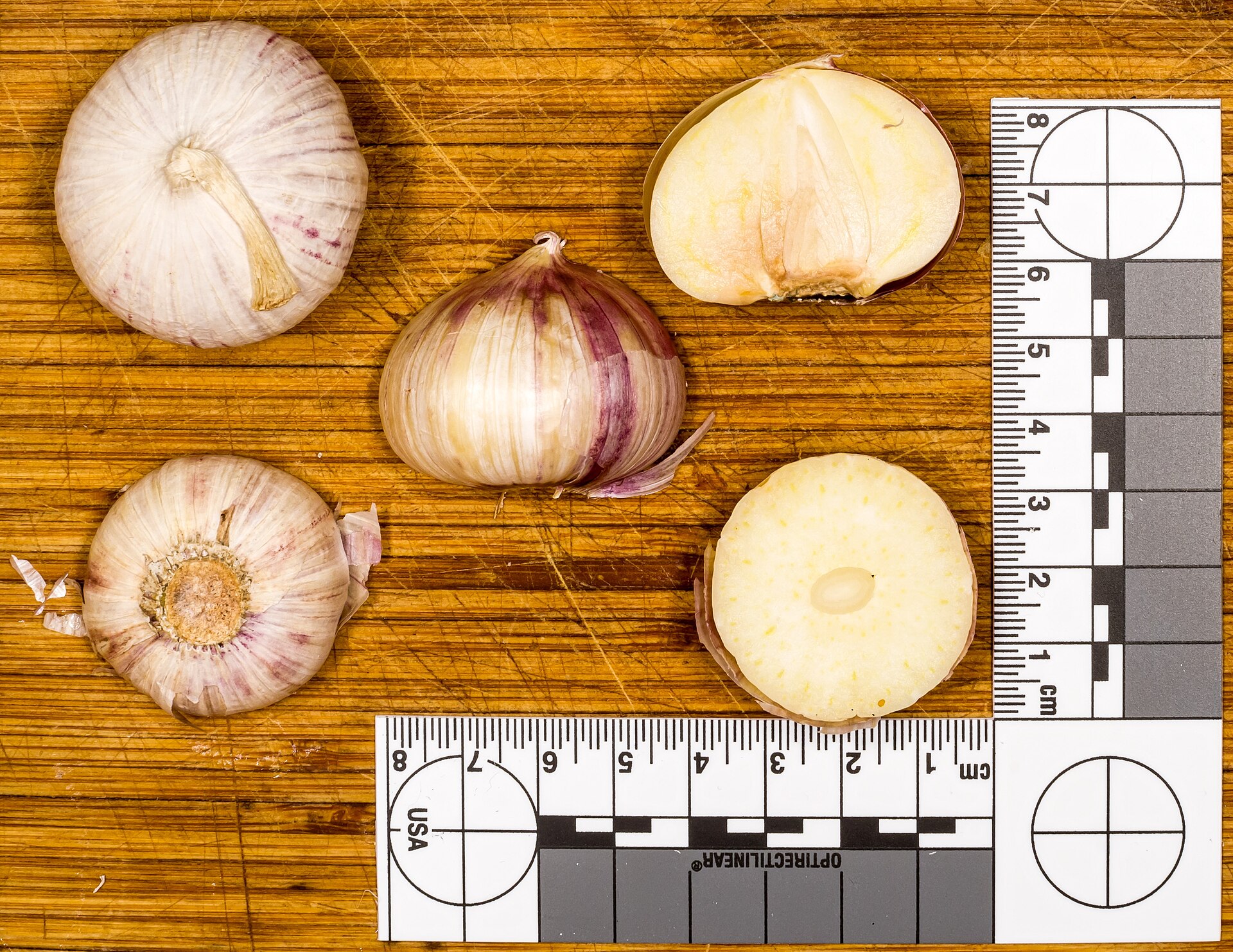
A fundamentally agricultural people, the Bai once reserved the valley’s finest lands for flooded rice paddies—the traditional metric of wealth and status. But with the upheavals of the 20th century and the liberalization of Chinese agriculture in the 1980s, market incentives sparked a rapid shift in crops. The humble garlic rose to prominence—specifically "solo" garlic, a variety now increasingly familiar on global produce shelves.
In truth, solo garlic is ordinary garlic in every respect, but it is a crop unique to the Yunnan plateau. The specific climate, day length, and soil conditions prevent the bulb from splitting into individual cloves, allowing it to maintain the graceful, rounded shape beloved by chefs and photographers alike.
Eryuan County to the north became the intensive hub for this cultivation. However, the massive quantities of nitrogen and potassium used to fertilize these prestigious fields eventually leached down the valley, saturating the once-clear Lake Erhai with a toxic load of runoff.
By the early 2010s, the "Mother Lake" was in crisis. Algae blooms choked the surface, oxygen levels plummeted, and a foul stench rose from the depths. In many areas, the water was declared unfit for human contact.
A key indicator of this decline was the disappearance of *Ottelia acuminata*—a sensitive aquatic plant with long stems and delicate, three-petaled white flowers. To the Bai, it was both a cherished local symbol and a traditional food source.
These trends, alongside unchecked tourism, prompted a systemic response. The official directive mandated that "we must protect Lake Erhai," a slogan that still adorns every corner of the valley. This was no mere platitude; hotels were relocated dozens of meters back from the shoreline, an "ecological corridor" was established, and garlic cultivation was strictly limited to prevent further runoff.
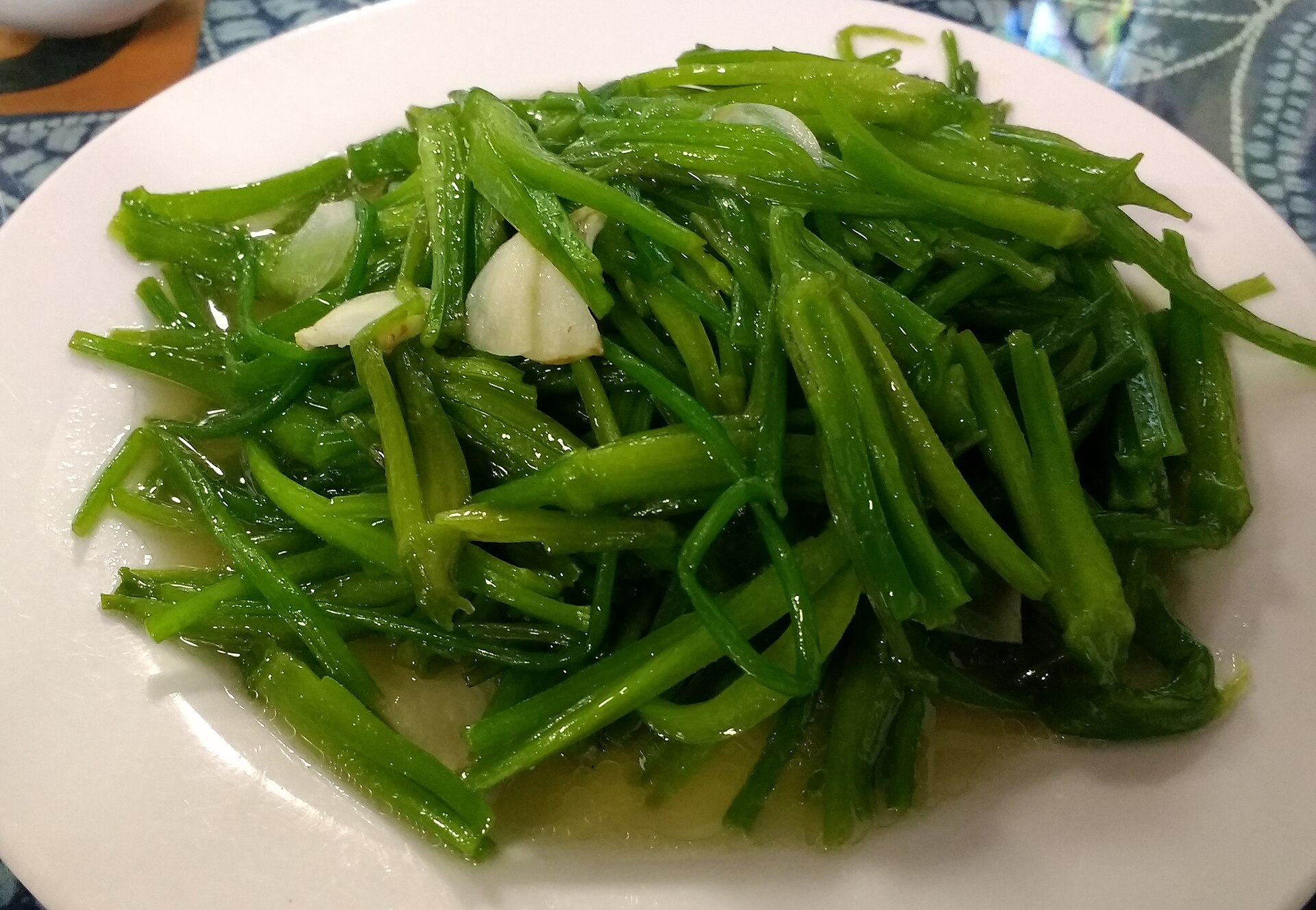
After more than a decade, the ancient Mother Lake is recovering. The waters are clear again, teeming with fish and waterfowl, and the Ottelia (*haicaihua*) has returned to decorate the surface with its white blossoms and the local markets in long, edible bundles.
Visit a local restaurant today and you can taste Ottelia in taro soup, sautéed with egg, or resting quietly on a plate alongside round garlic bulbs. Things have finally found their harmony, and returned to their proper place.
Related writing
Essay
Between Mysticism and Revolution: The Poetry of Khomeini
On Persian verse, mystical insight, and the fine line between spiritual transcendence and political authority.
Field Note
The Ginger Garden
On gardening, rhizomes, and a small botanical obsession in a Dali courtyard.
Essay
Rivers and Lakes
“When the springs dry up, the fish huddle together, gasping to keep one another moist; it would be better if they could forget each other in the rivers and lakes.” (Zhuangzi)