Essay
By Noam Backner
The Long Road to Spice: How the Chili Pepper Conquered China
From New World curiosity to the soul of Sichuan, Hunan, and beyond.
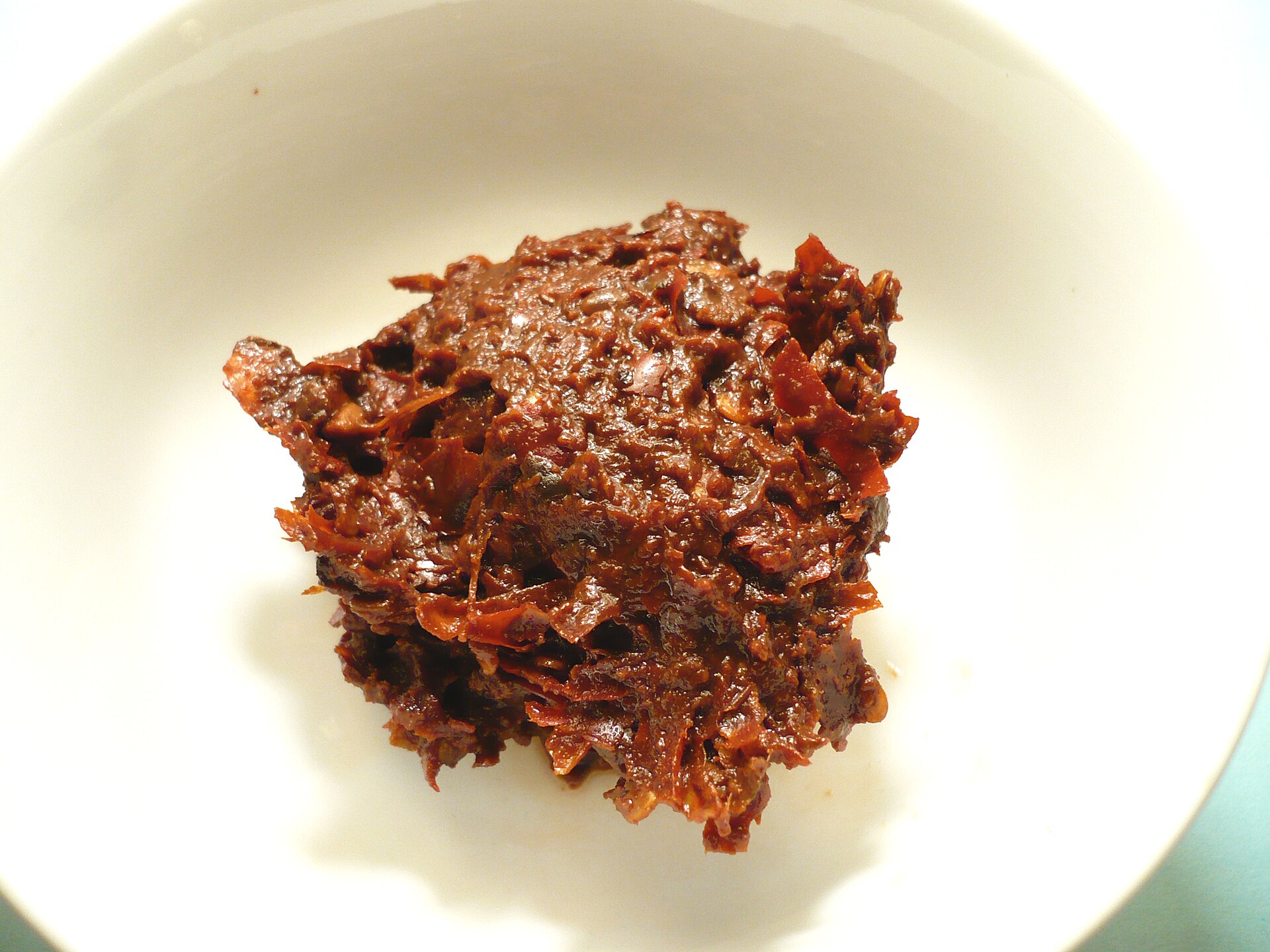
Few ingredients are as synonymous with Asian cuisine today as the chili pepper. Yet despite its ubiquity, the plant only reached East Asia in the late sixteenth century, arriving as a stowaway in the vast biological exchange that followed the European discovery of the Americas.
In China, the chili likely began its life as a botanical curiosity—an ornamental plant or an exotic medicinal novelty. Over time, it migrated from the coastal gardens of the east to the regional kitchens of the interior. But this adoption was far from inevitable; the chili’s trajectory differed sharply from that of other American crops that found a home in the East.
The plant took root as a byproduct of maritime trade—perhaps even as kitchen scrap, but certainly not as a major commodity. It likely arrived via the Manila galleons alongside corn, potatoes, and tobacco. Unlike those staples, however, the chili owes its place in daily life to the peasantry rather than the urban elites or the scholars who first documented it.
The spread of the chili was dictated by the social and economic geography of the Empire. The rugged, mountainous frontiers of the Southwest—particularly Guizhou, Hunan, Yunnan, and parts of Sichuan—were among the first to embrace the heat.
Popular wisdom attributes this to the humid southern climate or the chili’s ability to "stretch" expensive salt, but the reality is more nuanced. The pepper fit perfectly into local farming: it was hardy, space-efficient, and grew easily on the margins of plots. Most importantly, it enlivened the monotonous, grain-heavy diet of the rural poor, traveling along the paths of trade, migration, and settlement.
Because of these patterns, certain regions developed a deep affinity for spice while others did not, even when sharing similar climates. In this sense, Chinese chili culture is as much a product of social identity as it is a result of the environment.
Before the chili arrived, the Chinese term là (辣) described a broad spectrum of pungent sensations derived from ginger, mustard, garlic, and Sichuan peppercorns. As the American interloper spread, the term’s meaning narrowed until it became synonymous with the specific burn of capsaicin. Simultaneously, a taste for heat became a marker of class and social standing.
By the late nineteenth century, regional identities began to coalesce around spicy food. In Sichuan, Hunan, and Guizhou, a love for chili became central to the local self-image. This process accelerated through the twentieth century, fueled by the rise of food industries, national brands, and the mass marketing of regional cuisines.
Today, spiciness is seen as a defining trait of Chinese food, even though ancient traditions like Shandong or Cantonese cooking rarely use it. This disconnect further challenges the idea that climate alone dictates the adoption of the pepper.
It is also worth noting that the modern Sichuanese obsession with massive quantities of dried peppers, fermented pastes, and tongue-numbing oils is a relatively recent phenomenon. To a large extent, this "heat" is a product of consumer and tourist expectations that were internalized as local identity during the late twentieth century.
The rise of the chili in China is a piece of folk history, a blend of geography, agriculture, and consumer mythology. It is the story of a plant that traveled from coastal mudflats to the heart of the interior, slowly adapting itself to the ancient principles of the Chinese kitchen.
Ultimately, the adoption of the chili represents a continuation of a long-standing culinary philosophy: making the most of what is available. Its color, heat, and fruitiness provided new nuances for old traditions, tailored to the character of the land and the people who work it.
Related writing
Essay
Between Mysticism and Revolution: The Poetry of Khomeini
On Persian verse, mystical insight, and the fine line between spiritual transcendence and political authority.
Field Note
The Ginger Garden
On gardening, rhizomes, and a small botanical obsession in a Dali courtyard.
Essay
Rivers and Lakes
“When the springs dry up, the fish huddle together, gasping to keep one another moist; it would be better if they could forget each other in the rivers and lakes.” (Zhuangzi)