Essay
By Noam Backner
The Chromium Myth of the Terracotta Army
What actually preserved the bronze weapons in the First Emperor's tomb, and what metallurgy reveals about the first Chinese state.
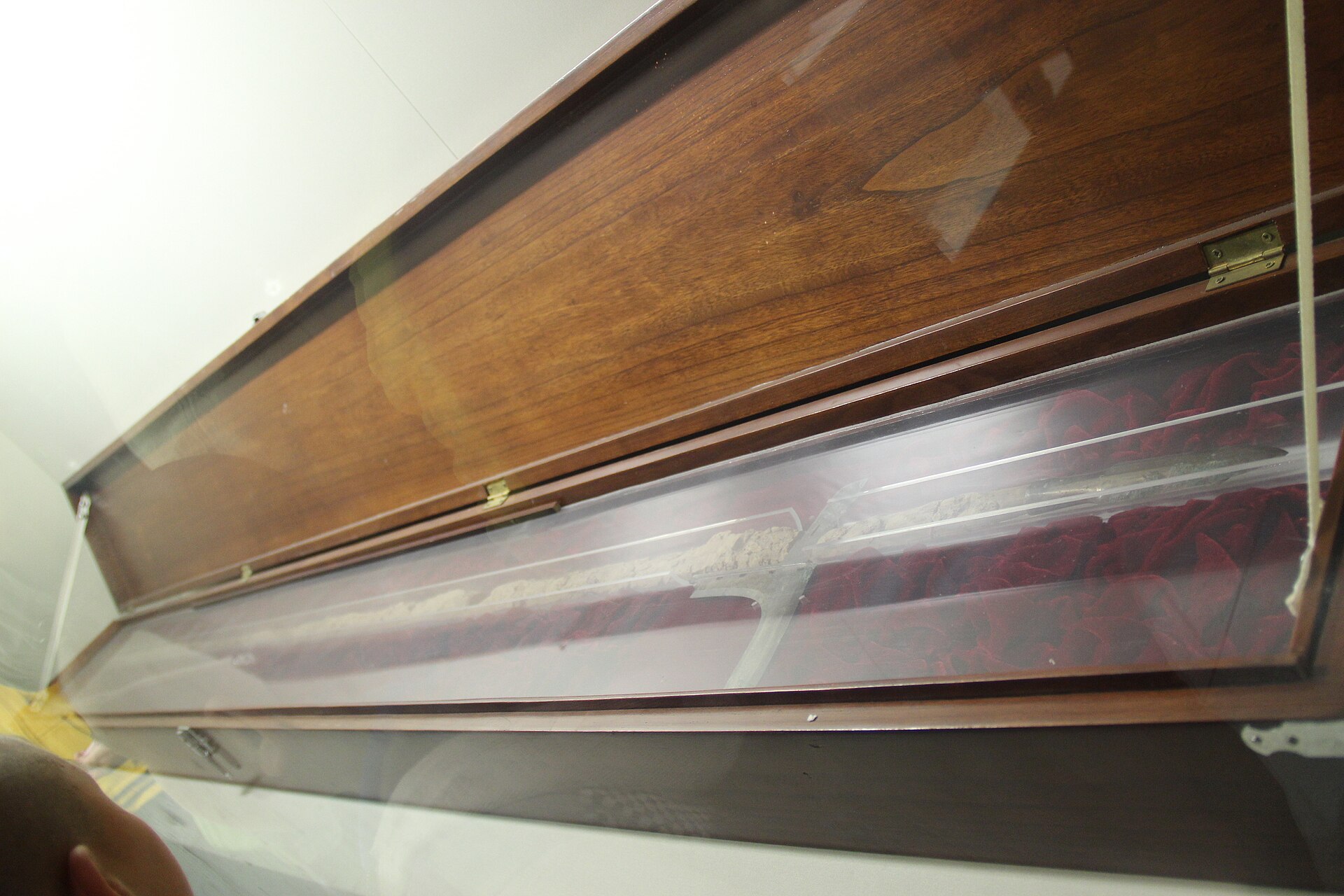
The Bingmayong site, famously known as the Terracotta Army, is part of the sprawling funerary complex of China’s first emperor, Qin Shi Huang (r. 221–210 BCE). Among its life-sized clay figures lie thousands of bronze weapons, some found so sharp and pristine after 2,200 years that they sparked a persistent legend: that the Qin had mastered a lost, ancient chromium-based anti-rust technology.
Initial analyses in the 1970s did indeed find traces of chromium on the bronzes, fueling claims that Qin craftsmen had developed sophisticated anti-corrosion treatments centuries before the modern era. However, a 2019 study suggests a more mundane origin: post-burial contamination. The chromium likely came from the lacquer used on the terracotta figures and the wooden parts of the weapons. As this lacquer decomposed, it transferred chromium ions to the adjacent bronze, particularly near the hilts.
Further research confirmed that the local soil itself contains trace amounts of chromium, which reacted with the lacquer coating on weapon fittings and was absorbed into the metal over the centuries—albeit inconsistently. In reality, many of the buried weapons suffered significant corrosion. Those that survived in peak condition owe their longevity not to a secret formula, but to high tin content, a smooth surface finish, and the fortuitous low acidity and humidity of the burial site.
The true hallmark of Qin metallurgy was not alchemy, but rigorous quality control. Weapons were produced in state workshops to uniform standards, reflecting a shift from the ceremonial bronzes of earlier eras to a utilitarian industry. This transition was driven by the relentless militarization of the Warring States period and the steady, growing integration of iron tools into both agriculture and the armory.
The power of the Qin rested on aggressive administration, a vast agricultural hinterland, and the mobilization of labor—all catalyzed by the spread of iron. Even if the myth of chromium plating has been debunked, the Qin period remains the vital bridge between the Chinese Bronze Age and the rise of the Iron Age, forging a new order that has endured, in one form or another, to this day.
Related writing
Essay
Between Mysticism and Revolution: The Poetry of Khomeini
On Persian verse, mystical insight, and the fine line between spiritual transcendence and political authority.
Field Note
The Ginger Garden
On gardening, rhizomes, and a small botanical obsession in a Dali courtyard.
Essay
Rivers and Lakes
“When the springs dry up, the fish huddle together, gasping to keep one another moist; it would be better if they could forget each other in the rivers and lakes.” (Zhuangzi)