Essay
By Noam Backner
Yizhan: Notes from the Imperial Road
The relay stations of the Chinese Empire and the strange new life the concept has found in the modern world of logistics.
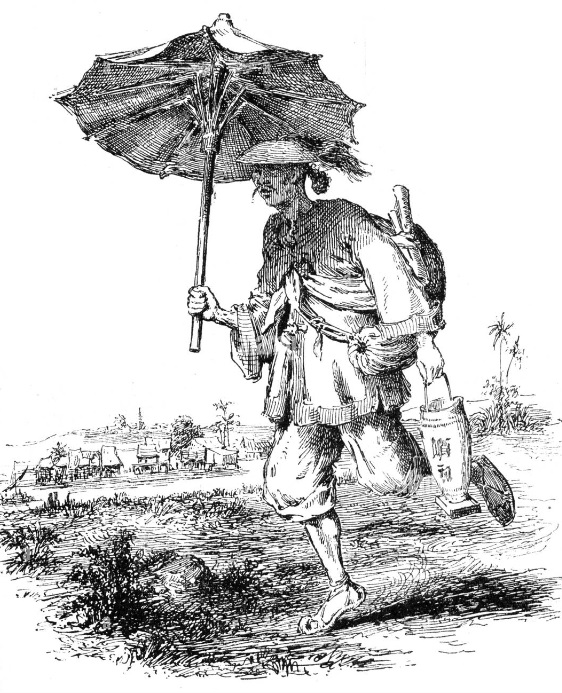
One of my favorite imperial remnants in China is neither an archaeological ruin nor a temple, but a word. As a lover of roads—and even more so, rest stops—this particular term, which today adorns quite a few buildings and gates, manages to delight me every time I see it.
Yizhan (驿站) is a pair of characters meaning relay station, post house, or courier pier. The pronunciation may owe something to the Mongol Empire and the Yam network that sustained its short-lived existence. The courier post itself is as ancient as the concept of empire, accompanying the Chinese state since its inception, paralleling similar institutions in the Persian and Islamic worlds.
The imperial courier network underwent numerous reforms and refinements, but its essence remained unchanged: a dense, regular web of refreshment stations that allowed government representatives—civil and military alike—swift passage between regions. It provided rest, fresh horses, fodder, and everything necessary to maintain the logistical and intelligence links between the borderlands, the provinces, and the dynastic center.
When the old world collapsed at the turn of the 20th century, the arrival of the railway, the telegraph, and modern civilian postal services—which adopted the name You (邮), an ancient and slightly overlapping term—rendered the old relay stations obsolete. Yet the concept survived the dynastic upheavals. The transition was neither accidental nor purely nostalgic; the term retained its status as a descriptor for a transit point within a network of movement.
Thus, today, Yizhan can describe a modern logistics center, such as the Cainiao Yizhan—Alibaba's package pickup points—a municipal sanitation station, or a tourist site with a historical or pseudo-historical atmosphere.
The term works beautifully on two levels: as an ultra-modern service point and as a conscious wink to the old world of mountain passes, state inns, and the hardships of travel. The ability of the Yizhan to move along the spectrum between modern logistics and historical memory has made it, to my mind, a vivid and graceful word in today's China.
Related writing
Essay
Between Mysticism and Revolution: The Poetry of Khomeini
On Persian verse, mystical insight, and the fine line between spiritual transcendence and political authority.
Field Note
The Ginger Garden
On gardening, rhizomes, and a small botanical obsession in a Dali courtyard.
Essay
Rivers and Lakes
“When the springs dry up, the fish huddle together, gasping to keep one another moist; it would be better if they could forget each other in the rivers and lakes.” (Zhuangzi)