Essay
By Noam Backner
The Arrival of Botany in China
From Materia Medica to Genus and Species: A new scientific language, an imperial crisis, and the birth of a dual system of meaning.
I remember a hike in western Sichuan when I stumbled upon an unfamiliar flower—a local buttercup, perhaps. When I asked a passing farmer for its name, he paused for a beat and blurted out: "This? Oh, this is a huang hua!" (yellow flower). That cryptic yet perfectly logical answer hung in the spring air, leaving me to marvel at my own lofty expectations and the conceptual chasm yawning between me and the kind farmer.
The publication of Zhiwuxue ("Botany") in the mid-19th century marked a quiet but significant turning point in Chinese modernity. It was the moment plants began to be perceived not merely as medicine, food, or moral symbols, but as objects of systematic and—by necessity—universal knowledge. The work, a collaboration between foreign missionaries and Chinese scholars based on four contemporary sources, did more than translate dry facts; it translated an entire way of observing nature, organizing it far beyond the reaches of local tradition.
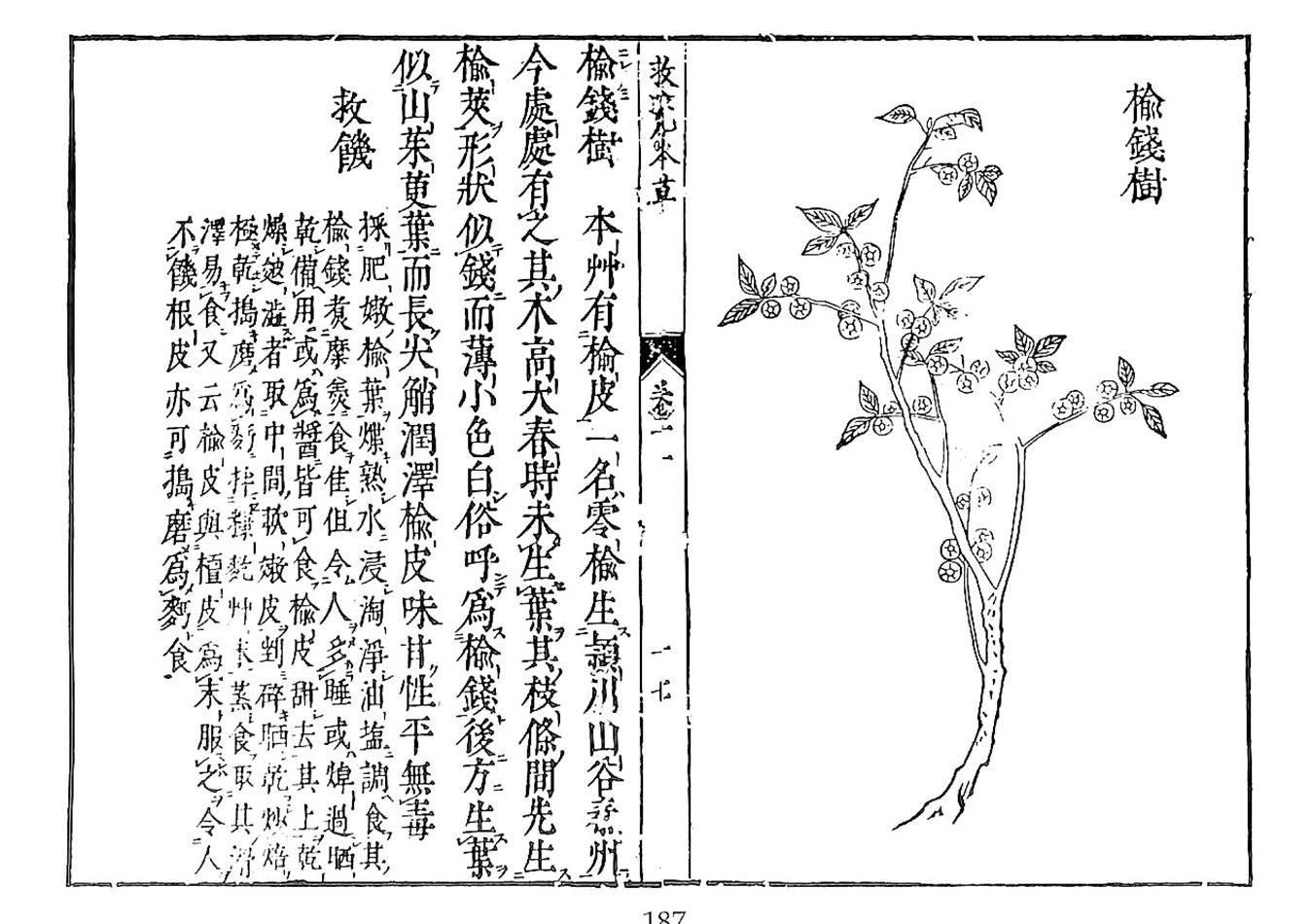
Traditional Chinese knowledge of plants was rooted in the Bencao (materia medica) tradition, focusing on utility, flavor, and cosmological or agricultural contexts. In contrast, Zhiwuxue introduced categories entirely new to the Chinese world—species, genus, and structure—terms that required the creation of a new vocabulary and habits of thought foreign to the existing system. Plants were henceforth defined by morphology and classification rather than by their direct relationship to man or a moral order.
Scientific contact between East and West was not new; the presence of Muslim astronomers and, later, Jesuit agents of knowledge had been felt in China for centuries. However, this movement intensified just as the imperial system began to tremble. It was driven by a collision of conflicting interests, only a few of which were concerned with a simple understanding of the natural world.
The influence of this scientific knowledge was, predictably, slow to take hold. Initially, the new system existed alongside old frameworks, reaching only a small circle of intellectuals. Its adoption relied on translation networks, educational reforms, and the dissemination of scientific terms—often mediated through Japan, whose meteoric rise and subsequent victories over China were decisive factors in the realization that the old ways were no longer enough.
It was only with the development of modern educational institutions that Western classification became dominant, gradually replacing the myriad concepts and relational units used across China. In this sense, the scientific "big bang" resembles, and perhaps even surpasses, the unification processes led by China's first emperor, Qin Shi Huang.
Today, scientific taxonomy and Latin names coexist with ancient names and their attendant symbolism in everyday life—though extracting a Latin name remains difficult within folk contexts and the highly developed local amateur culture—reflecting a dual system of meaning. Thus, the Chinese version of "Botany" serves as a marker of both rupture and continuity. It illustrates how China entered the age of modern science not through harmonious adoption, but through a process of crisis and creation—though once adopted, China, naturally, made it its own.
Related writing
Essay
Between Mysticism and Revolution: The Poetry of Khomeini
On Persian verse, mystical insight, and the fine line between spiritual transcendence and political authority.
Field Note
The Ginger Garden
On gardening, rhizomes, and a small botanical obsession in a Dali courtyard.
Essay
Rivers and Lakes
“When the springs dry up, the fish huddle together, gasping to keep one another moist; it would be better if they could forget each other in the rivers and lakes.” (Zhuangzi)