Essay
By Noam Backner
The Foundation of the Chinese Home
On the domestication of the pig, the economic shift southward, and the role of pork in Chinese agriculture, cuisine, and morality.
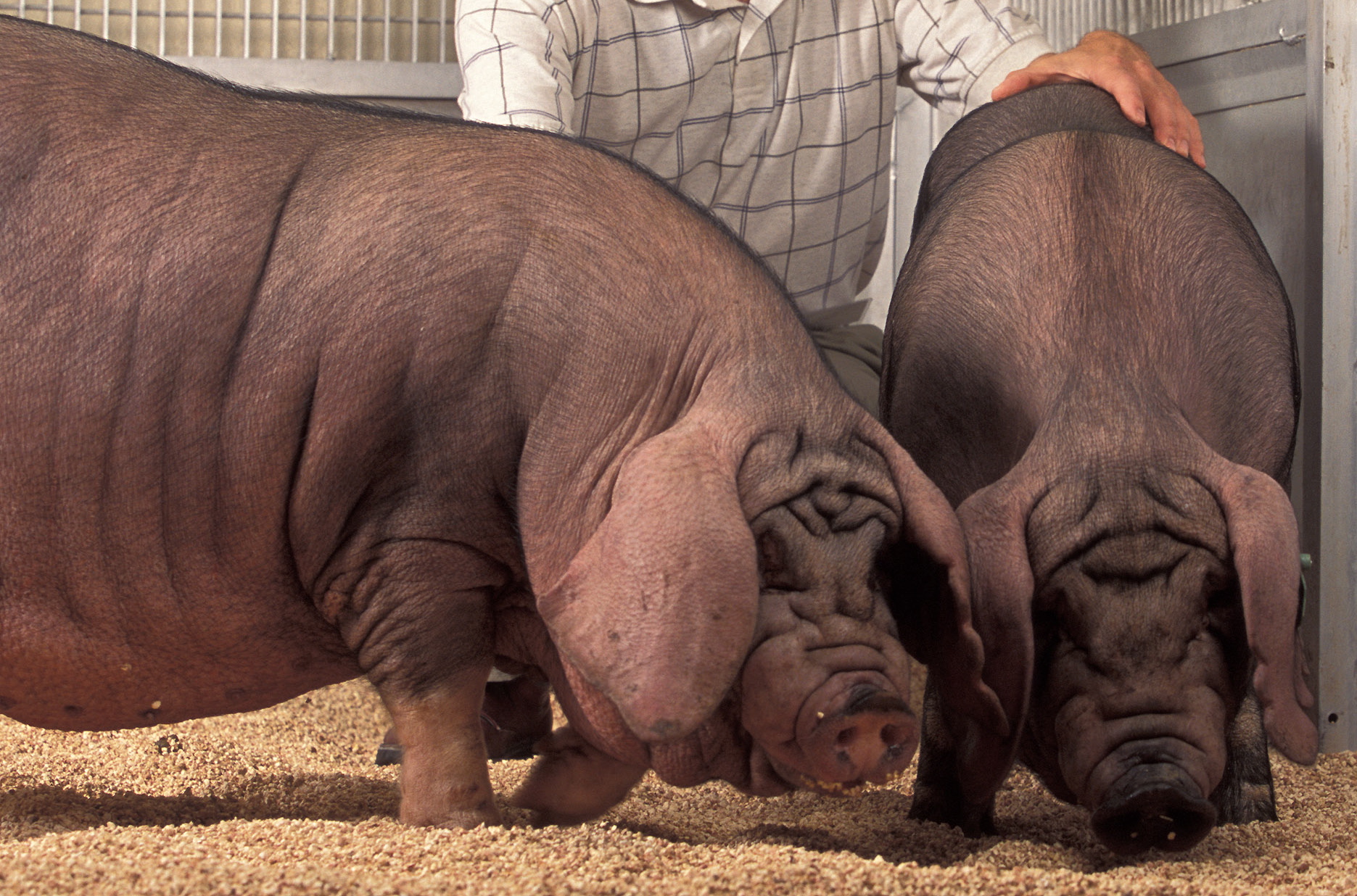
From the mountain mists to the fertile valleys, the pig has served as the bedrock of the Chinese home for over a millennium. And if we are already speaking heresies—on the Sabbath, no less—we might further praise this short-legged, low-bellied beast for the myriad blessings it has bestowed, however involuntarily, upon the inhabitants of the Middle Kingdom.
The domestic pig, a descendant of ancient Southeast Asian stock that now enjoys a transcontinental reach, is the product of several domestication events, local population crashes, and genetic integrations. These long processes resulted in the various porcine lineages found in human husbandry today.
In China, the pig was domesticated roughly 8,000 years ago. As agrarian society took root, the animal became a pillar of the farming economy. From these early stages of Chinese history, the pig played a dual role, serving both as a store of economic value and a centerpiece of ancient ritual.
Nevertheless, the pig’s current status at the heart of Chinese culture is a relatively late development. The economic and demographic shifts following the collapse of the Tang Dynasty led to the abandonment of the northern pastoral economy. This moved China's economic center of gravity southward, beyond the Yangtze—a humid, forested region perfectly suited to the needs of the pig.
The population boom of the late imperial period required a massive intensification of energy. This shift toward an economy of rice, pork, and efficient, resource-saving cooking helped crystallize the Chinese culinary traditions we recognize today, yielding thousands of distinct recipes. Pork became the meat of choice and, in modern China, a benchmark for food and economic security in its own right.
China’s unique pig breeds, including the prolific Taihu, are notable for their ability to digest coarse agricultural waste and produce high-quality manure. Until very recently, these traits sustained the fertilization needs of the small-scale, intensive agriculture that defines the Chinese countryside.
As for the kitchen, fresh pork was reserved for celebrations like the Spring Festival or weddings, and even then it was eaten sparingly. More often, it was preserved in salt—another precious commodity in historical terms. Pig fat, by contrast, was a vital dietary staple. With an oleic acid content reaching 40%, the pig is essentially a walking barrel of olive oil, albeit with a slightly different biochemical profile.
I must confess a personal fondness for pork, perhaps even more so than the beef, fish, and duck available here in abundance. However, living next to a neighbor who enjoys slaughtering at the crack of dawn makes consuming this generally likable, intelligent, and soft-eyed creature a bit of a challenge.
It is fitting, then, to follow the thread of my previous post and conclude with the famous poem by Han Shan. This ninth-century figure perfectly captures the delicate tension between the needs of the flesh and the demands of morality.
"Pigs eat the flesh of the dead, / Men eat the intestines of the slaughtered pig. / Pigs do not recoil from human stench, / Humans find the pig fragrant. / Pig bones are cast into the water, human corpses entrusted to the earth. / When they cease devouring one another, a lotus will rise from the boiling soup."
Related writing
Essay
Between Mysticism and Revolution: The Poetry of Khomeini
On Persian verse, mystical insight, and the fine line between spiritual transcendence and political authority.
Field Note
The Ginger Garden
On gardening, rhizomes, and a small botanical obsession in a Dali courtyard.
Essay
Rivers and Lakes
“When the springs dry up, the fish huddle together, gasping to keep one another moist; it would be better if they could forget each other in the rivers and lakes.” (Zhuangzi)