Essay
By Noam Backner
Cheese Between East and West
From the Tibetan Plateau to the European dairy, the history of cheesemaking is a story of enzymes, acids, and the culinary boundaries of Eurasia.
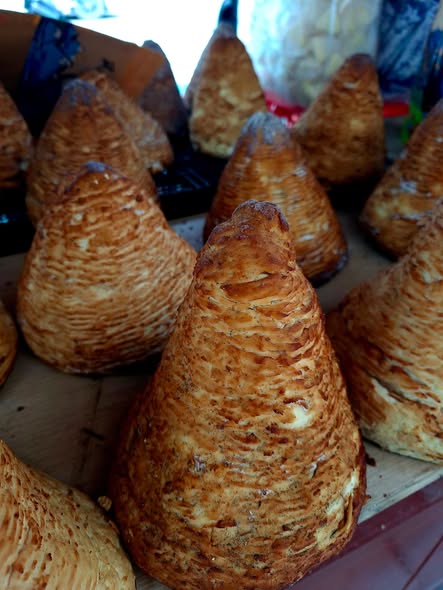
As part of that same cultural reweaving, there is perhaps nothing more gratifying than finally stumbling upon proper cheese—especially the kind that manages to bridge the gap between East and West.
Dairy products serve as both a nutritional bedrock and a cultural boundary marker. They are a pervasive staple across the vast reaches of Tibet, Mongolia, the Yunnan borderlands, and much of North and Central Asia, regions boasting ancient traditions of crafting cheese from yak, cattle, or goat milk.
Yet, unlike the hard, aged wheels of Europe and the Middle East, traditional cheeses in these parts are typically curdled using lactic acid bacteria or vinegar rather than rennet, the enzyme derived from the stomachs of young mammals. The result is usually a soft curd or a thoroughly dried cheese, both uniquely suited to a nomadic life and the local climate.
In contrast to these acid-based methods, enzymatic curdling seems to be a development unique to Western Eurasia. Rennet technology was likely a happy accident, discovered when milk stored in animal stomachs began to coagulate. What started as a fluke eventually evolved into a foundational food technology and a cornerstone of the Western diet.
The simpler curdling methods of Northeast Asia had their advantages: they didn't require the slaughter of young animals, and they addressed the high rates of lactose intolerance among East Asian populations (including, surprisingly, the Mongols). Processing milk into fermented or dried forms reduced the lactose content, making it digestible for the local palate.
In the Chinese heartland, cattle were primarily draft animals, essential for plowing in regions where land was already at a premium. With few exceptions, milk became associated with the cultures of the steppe and all their attendant social and political baggage. This further stifled the development of cheesemaking among the sedentary farmers of East Asia.
The impact of these diverging paths was primarily culinary. While Eastern methods supported nomadic subsistence, the West cultivated a rich tradition of aged cheeses with complex flavor profiles. These techniques allowed for the preservation of surplus milk as a long-lasting, nutritious food source—a vital staple for the rural poor.
The arrival of European cheesemaking technology in the heights of the Tibetan Plateau fits neatly into modern consumer trends, including China’s massive surge in dairy consumption. The rise of artisanal cheese in western Sichuan, Shangri-La, and Dali is a natural progression of these forces—and a blessing for pizza lovers. Only this time, please, hold the durian.
Related writing
Essay
Between Mysticism and Revolution: The Poetry of Khomeini
On Persian verse, mystical insight, and the fine line between spiritual transcendence and political authority.
Field Note
The Ginger Garden
On gardening, rhizomes, and a small botanical obsession in a Dali courtyard.
Essay
Rivers and Lakes
“When the springs dry up, the fish huddle together, gasping to keep one another moist; it would be better if they could forget each other in the rivers and lakes.” (Zhuangzi)