Essay · 2 min · EN
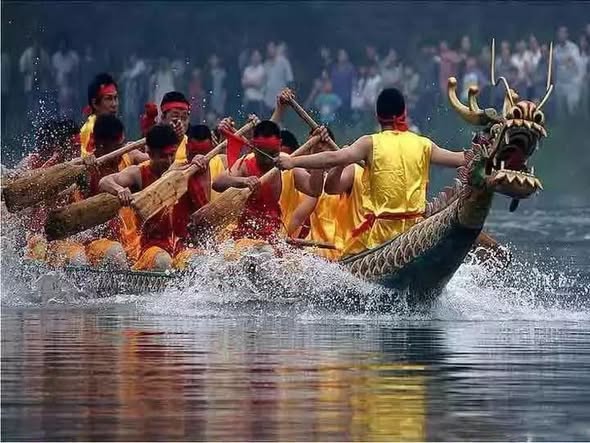
The Fifth Month and the Dragon Boats
On the most perilous month of the Chinese calendar, protective rites, Qu Yuan, and the pendulum swinging between sickness and health, order and chaos.
Writing
Essays, field notes and research by Noam Backner on China, Inner Asia, Buddhism, the Silk Roads, food, agriculture and the lived experience of place.
Essay · 2 min · EN
On the most perilous month of the Chinese calendar, protective rites, Qu Yuan, and the pendulum swinging between sickness and health, order and chaos.
Essay · 2 min · EN
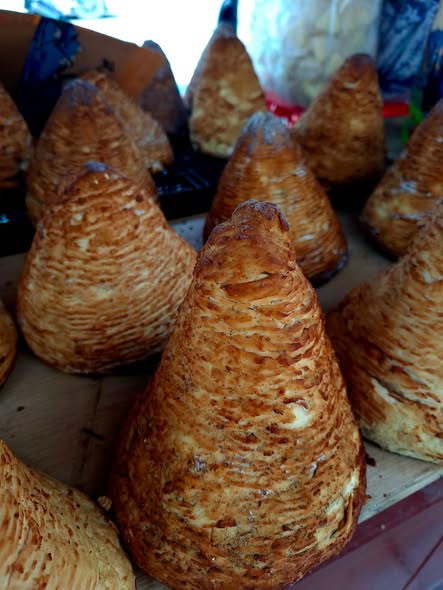
From the Tibetan Plateau to the European dairy, the history of cheesemaking is a story of enzymes, acids, and the culinary boundaries of Eurasia.
Essay · 5 min · EN
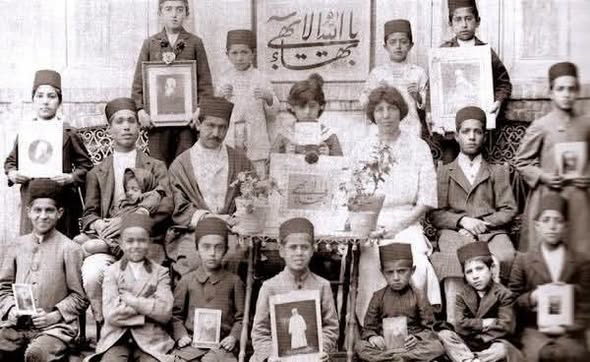
On the historical encounter between Iranian Jews and the Baha'i movement, and the possibilities for identity, equality, and modernity in the late Qajar period.
Essay · 2 min · EN
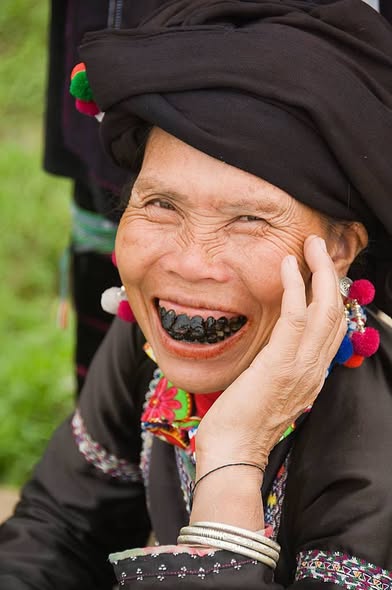
Once a marker of identity and marriage in the Neolithic heartland, the custom of tooth ablation migrated south, eventually becoming a mark of the 'barbarian' other in later Chinese history.
Travel Journal · 2 min · EN
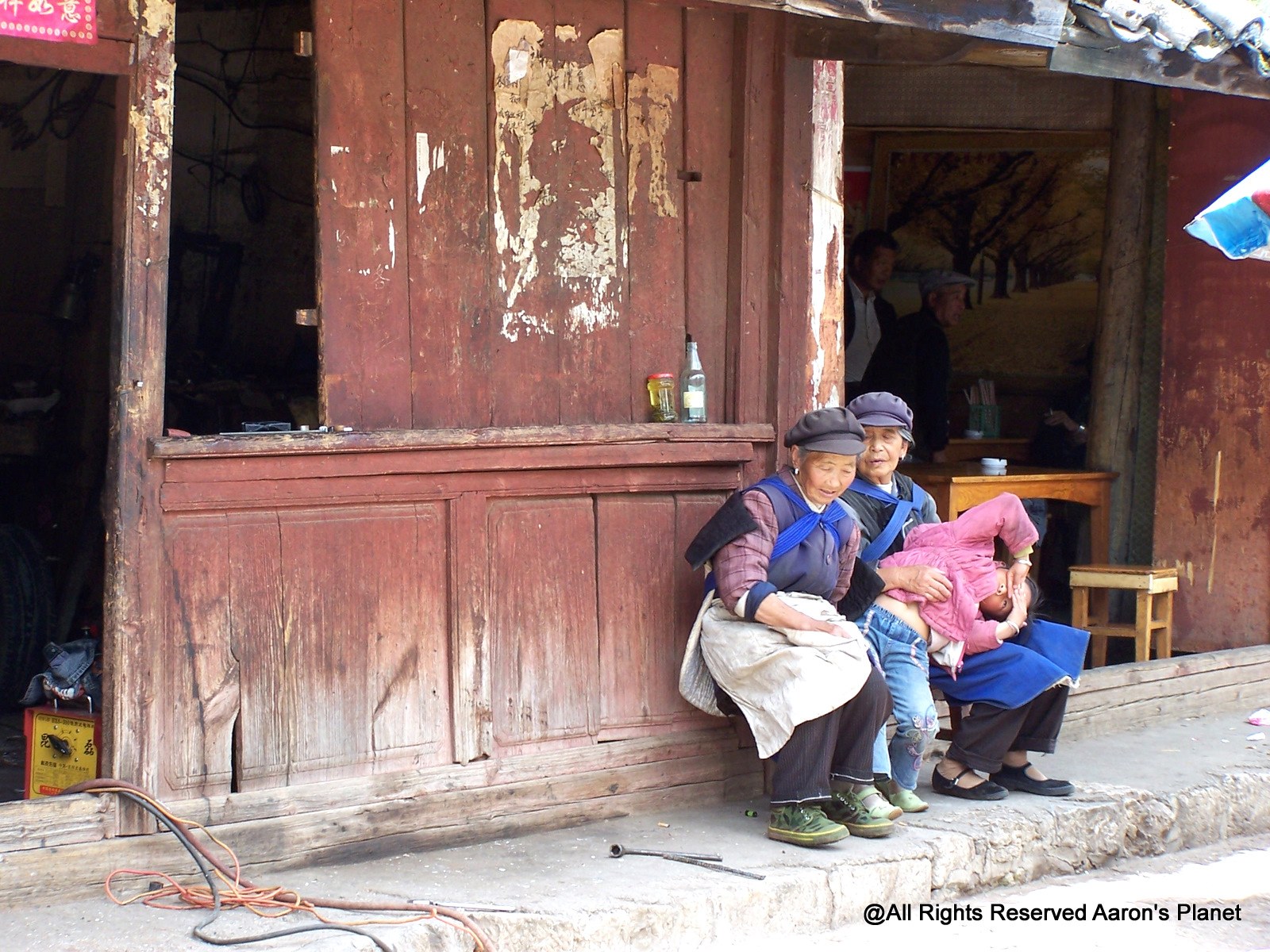
A Naxi wedding feast reveals the village as it truly is: a web of intimacy, authority, and the makeshift rhythms of a rural kitchen.
Essay · 4 min · EN
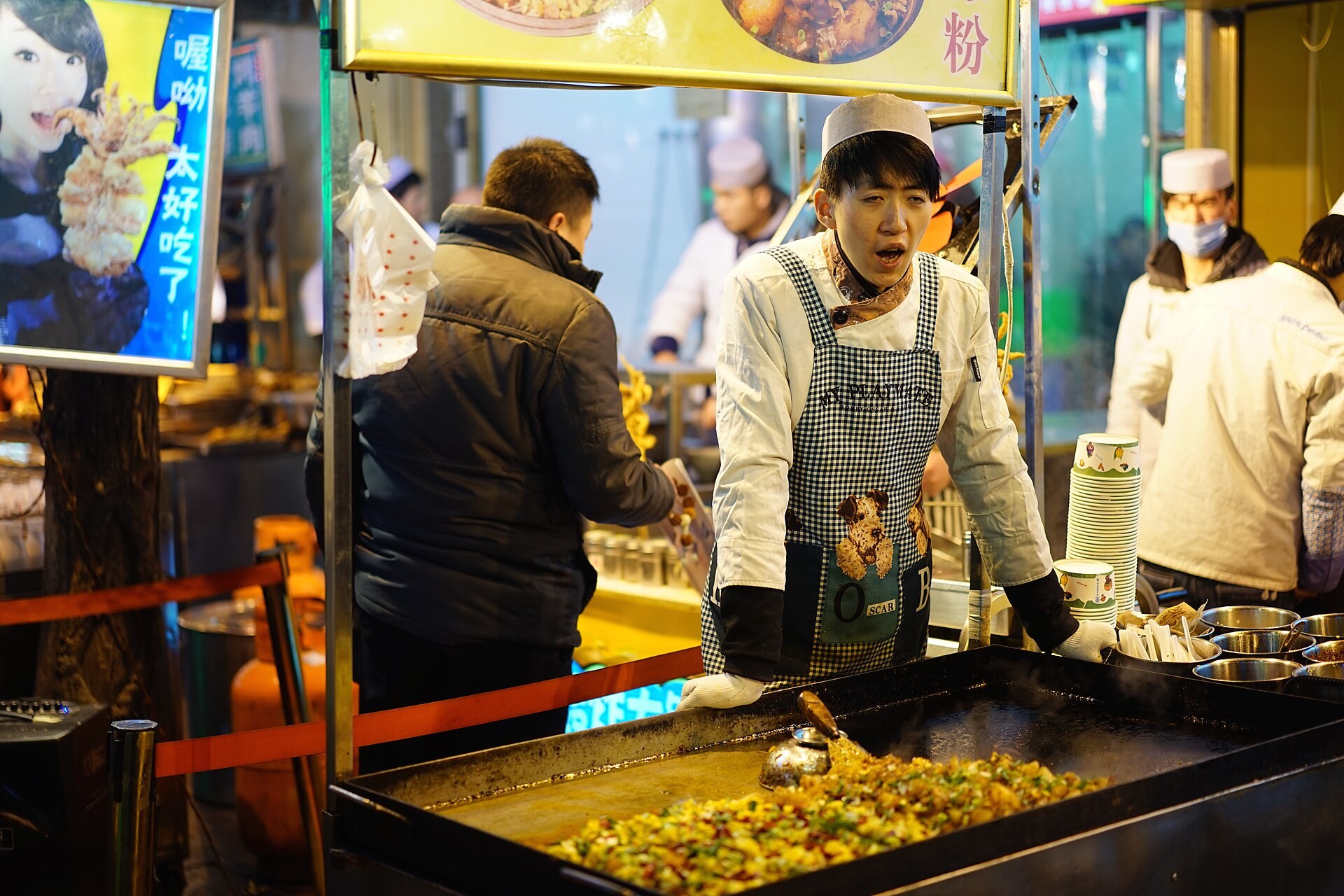
A journey through the history, regional migrations, and economic grit of China’s vibrant night markets.
Essay · 3 min · EN
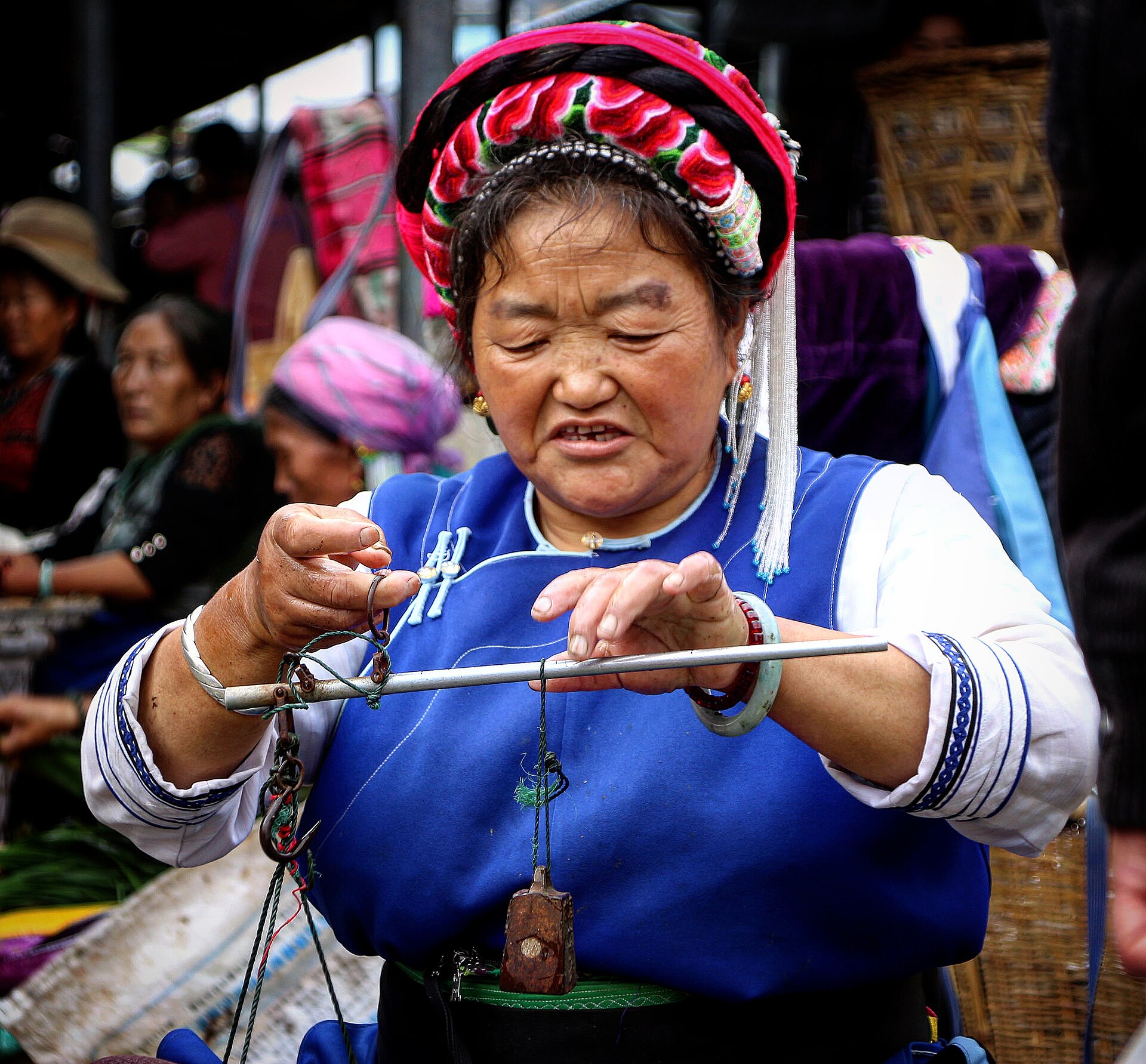
A seasonal dispatch on wild mushrooms, orchid tubers, and the art of the market find.
Essay · 3 min · EN
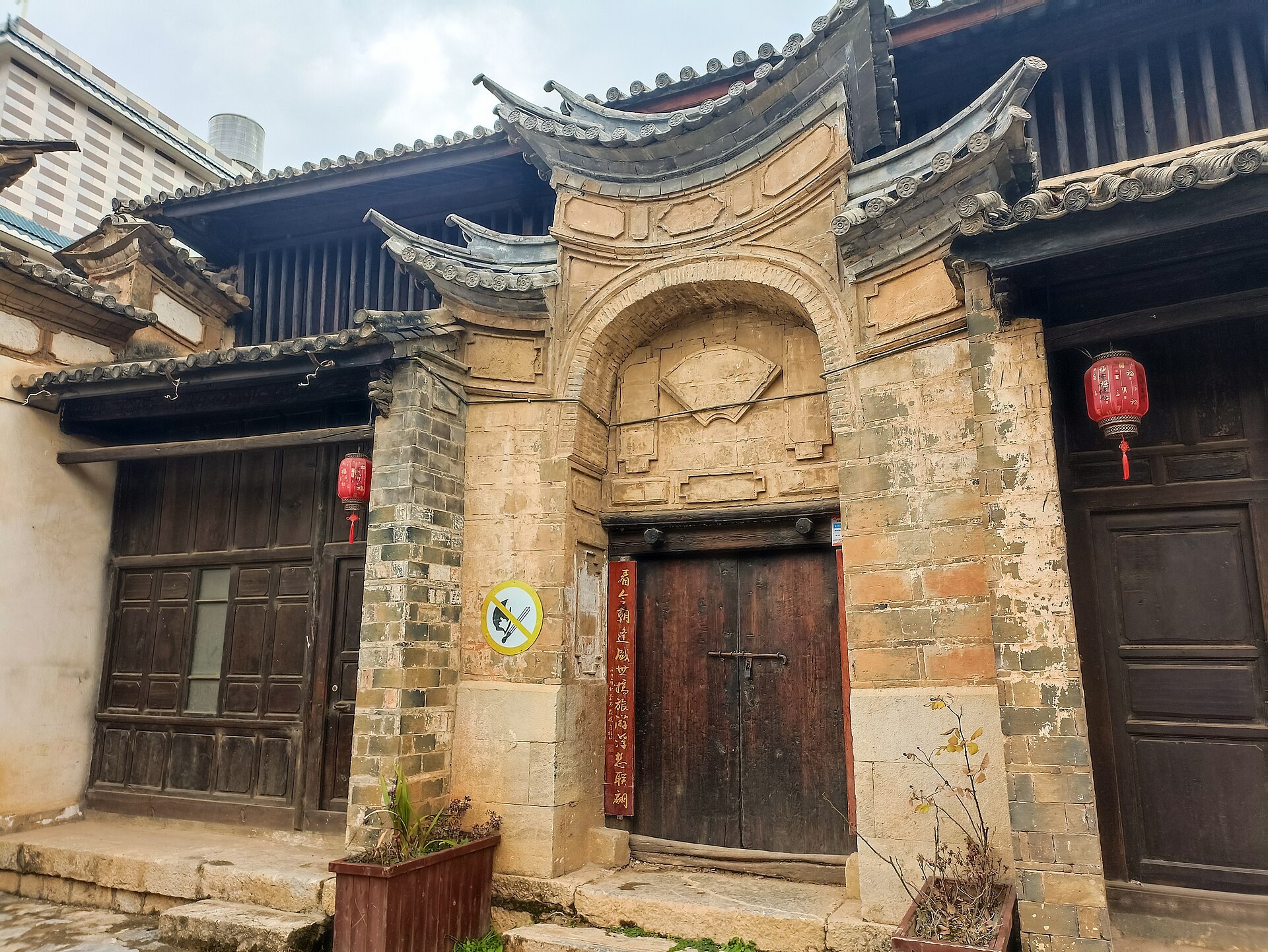
A return to Yunnan and reflections on the labor of sloth, the weight of purpose, and a poem by Bai Yuchan.
Essay · 2 min · EN
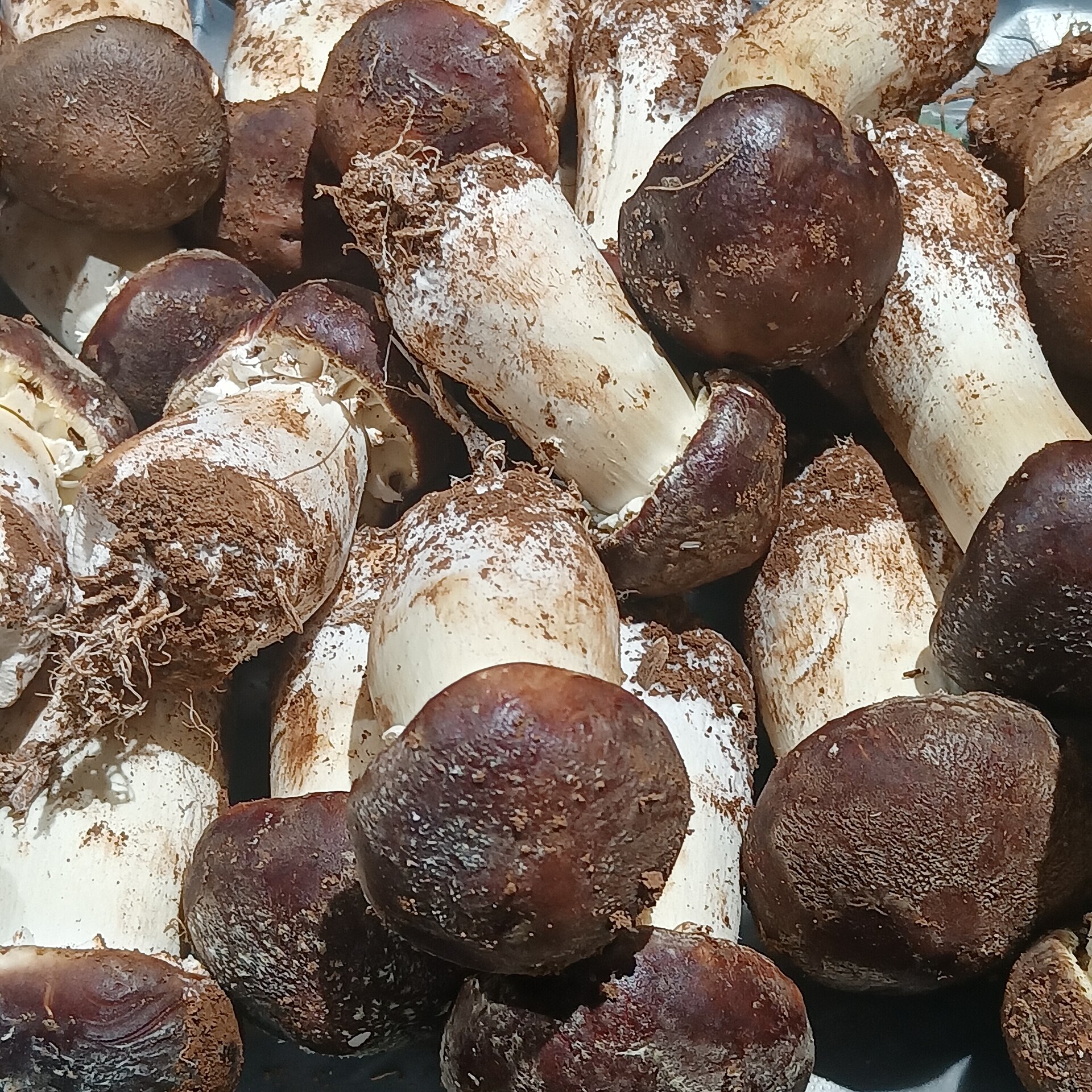
The wild mushrooms of Yunnan sit at the center of a vast network connecting foragers, traders, and high-end restaurants across East Asia.
Essay · 11 min · EN
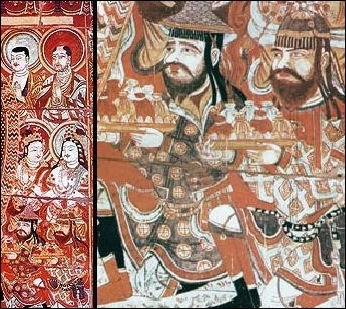
An eighth-century Judeo-Persian letter from Khotan offers a rare view of Jewish trade and daily life amid war in the heart of Asia.
Essay · 5 min · EN
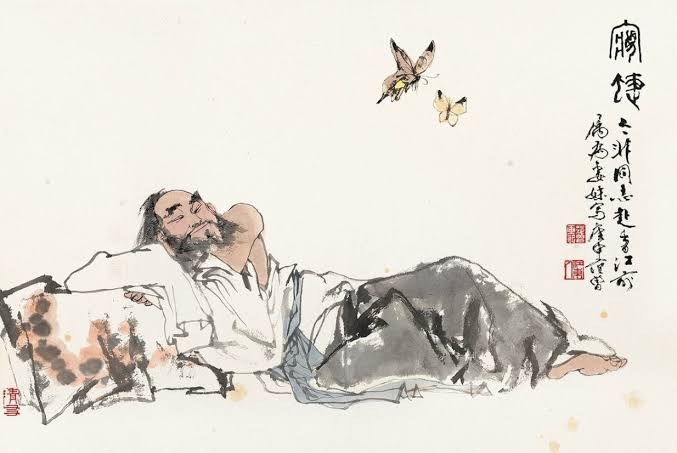
On refusal, cultivated wildness and the enduring place of the eccentric in Chinese culture.
Essay · 3 min · EN
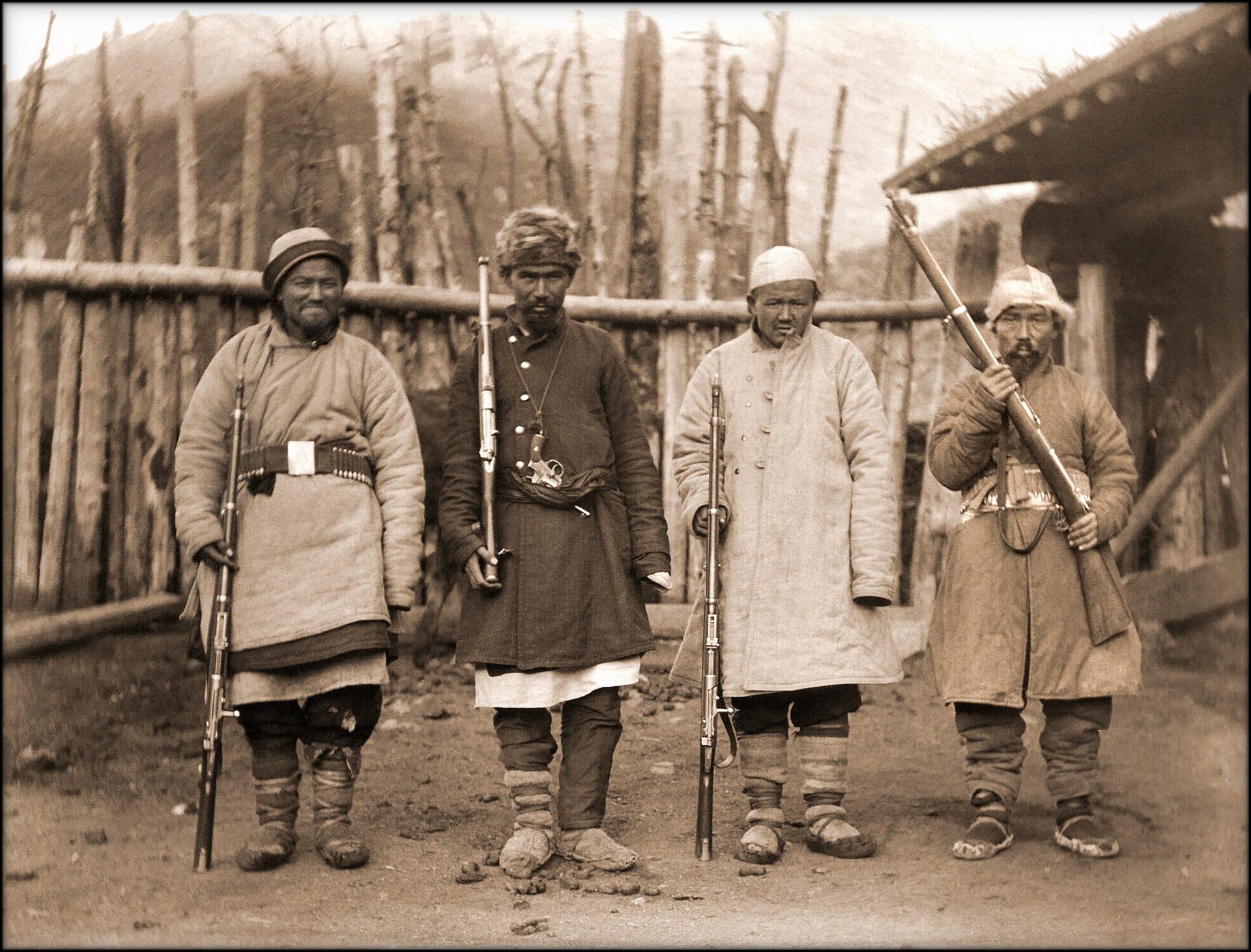
On highway robbery as a barometer of dynastic power—and the arteries of sovereignty in Imperial China.
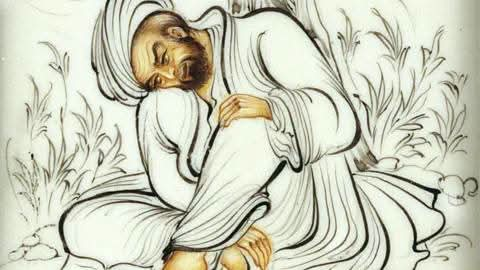
Essay · 4 min · EN
On Persian verse, mystical insight, and the fine line between spiritual transcendence and political authority.
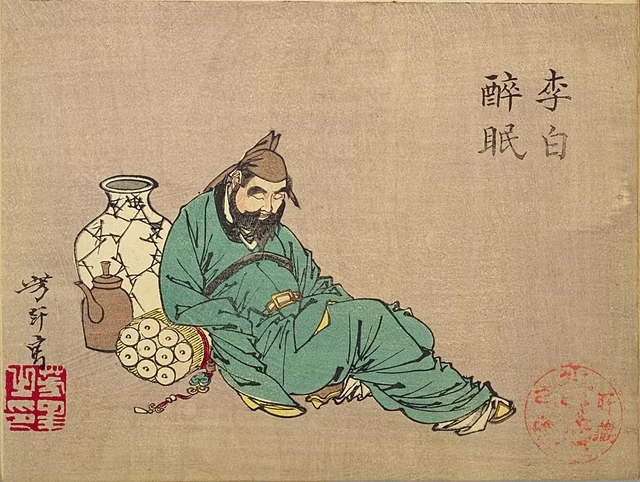
Essay · 8 min · EN
‘My heart was asked: Which heaven would you choose? It replied: The wise do not speak.’ — Omar Khayyam

Essay · 9 min · EN
Muhammad Siyah Qalam and the Eurasian world the Mongols left behind.

Research · 1 min · EN
It is no secret that this creaky blog is updated sporadically and is due for a facelift, but I would still like to use this modest platform to announce a tour I will be leading this September to the Pamir Mountains in Tajikistan.

Research · 6 min · EN
The second time Sun Yaoting lost his three most precious treasures, it was forever. Until his dying day, his heart ached for their destruction at the hands of family members seized by the terror of the Red Guards.

Essay · 6 min · EN
Tracing the high-altitude history of the Wakhan Corridor, where Scythian roots, Ismaili mysticism, and the ghosts of the Great Game converge.

Essay · 7 min · EN
For nearly twenty years, the Wanli Emperor of the Ming Dynasty ruled from the shadows—a seclusion fueled by a secret addiction.

Essay · 5 min · EN
Zhang Zhongjing, a father of Chinese medicine and a Han Dynasty scholar, was a loyal civil servant who never strayed from his duties—even in retirement.

Research · 1 min · EN
The great poet Wang Can found a strange beauty in the braying of donkeys.

Research · 1 min · EN
“On July 21, 1058, the state of Jiaozi presented a beast to the imperial court, claiming it was a qilin.”

Research · 4 min · EN
In recent years, a remote nation across the sea chose a leader who would guide it toward a cultural wasteland. History offers a counterpoint in Yelü Dashi.

Research · 9 min · EN
One mine in the Hindu Kush supplied the blue of Ur and of Tutankhamun's mask. What that tells us about the first world trade network.

Research · 1 min · EN
Dear readers, this blog has relocated and changed its primary language. While Hebrew updates may return in the future, you can find the new site at the link below.

Essay · 15 min · EN
Chinese soil lacks selenium, and Tibet had horses. A conversation with a former caravan leader about what that trade actually was.

Essay · 16 min · EN
Radanite merchants, a Jewish steppe empire, and a Mandarin in Kaifeng who mistook four apostles for four sons of Jacob.

Research · 15 min · EN
How Buddhism travelled the trade routes into China — and how a Daoist caretaker at Dunhuang found the record of it behind a cracked mural.

Travel Journal · 9 min · EN
A nation of Siberian nomads on a trans-civilisational frontier, and the summer pastures that still hold its identity.

Essay · 8 min · EN
From frontier ribat forts to Safavid road inns — the architecture that made long-distance trade possible, and the metaphor it became.
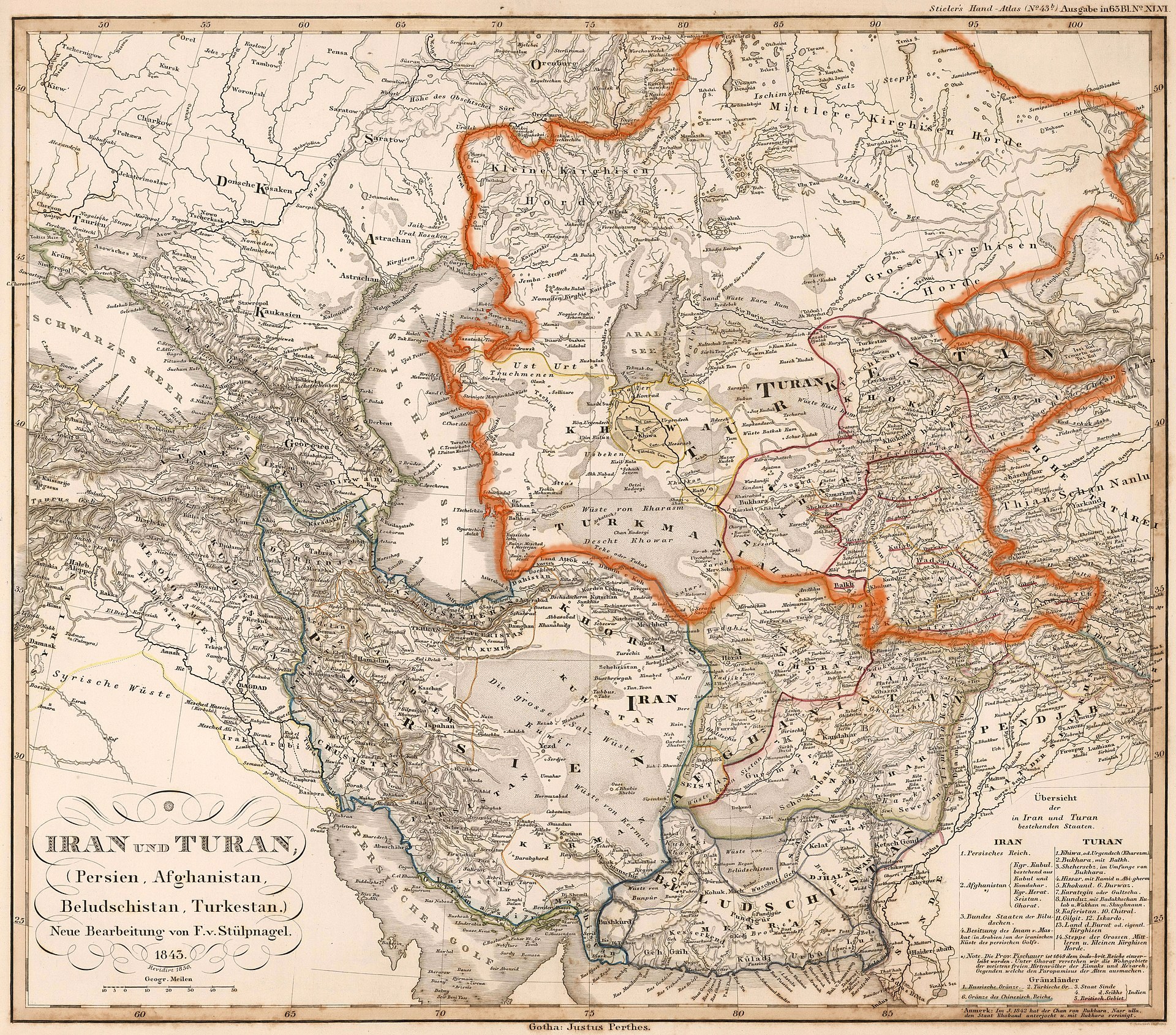
Essay · 6 min · EN
Why the Shahnameh's oldest quarrel is an ecological one: the sown land against the sea of grass.

Essay · 8 min · EN
From the Han Dynasty’s quest for 'heavenly horses' to the birth of the Silk Road, China’s deep ties to Central Asia are being renewed in the modern age.

Essay · 3 min · EN
We document our lives so incessantly that reality is recorded at the very pace it unfolds. When future historians reconstruct our world, they will sift through a mountain of digital debris—from global crises to the mundane lunch photos of a short-lived bistro.

Essay · 5 min · EN
Asia is the largest landmass on Earth and the historical engine of humanity. From the British Isles to Japan, the seeds of the processes that brought us from hunter-gathering to nuclear energy and reality TV were sown in this vast stretch of land.