Essay · 3 min · EN
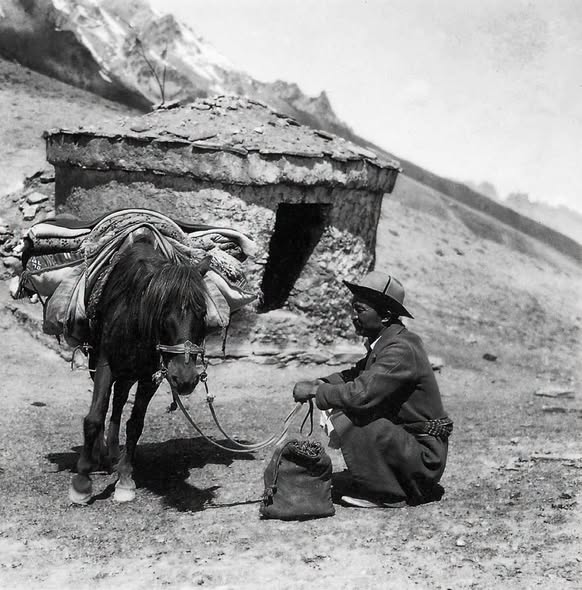
The Yarkand Sarai and the Kashmir Route
A merchant’s inn in Srinagar offers a window into the caravan network that once linked Kashmir, Ladakh, Yarkand, and the Tarim Basin.
Writing
Essays, field notes and research by Noam Backner on China, Inner Asia, Buddhism, the Silk Roads, food, agriculture and the lived experience of place.
Essay · 3 min · EN
A merchant’s inn in Srinagar offers a window into the caravan network that once linked Kashmir, Ladakh, Yarkand, and the Tarim Basin.
Essay · 2 min · EN
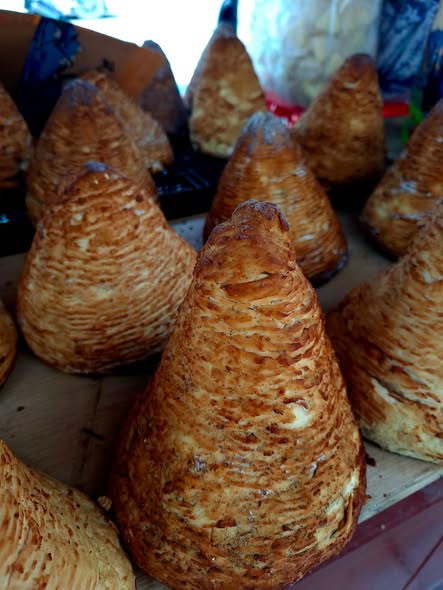
From the Tibetan Plateau to the European dairy, the history of cheesemaking is a story of enzymes, acids, and the culinary boundaries of Eurasia.
Essay · 4 min · EN
The mobile tent-shrines of Genghis Khan, their hereditary guardians, and the modern struggle to anchor Mongolian memory.
Essay · 3 min · EN
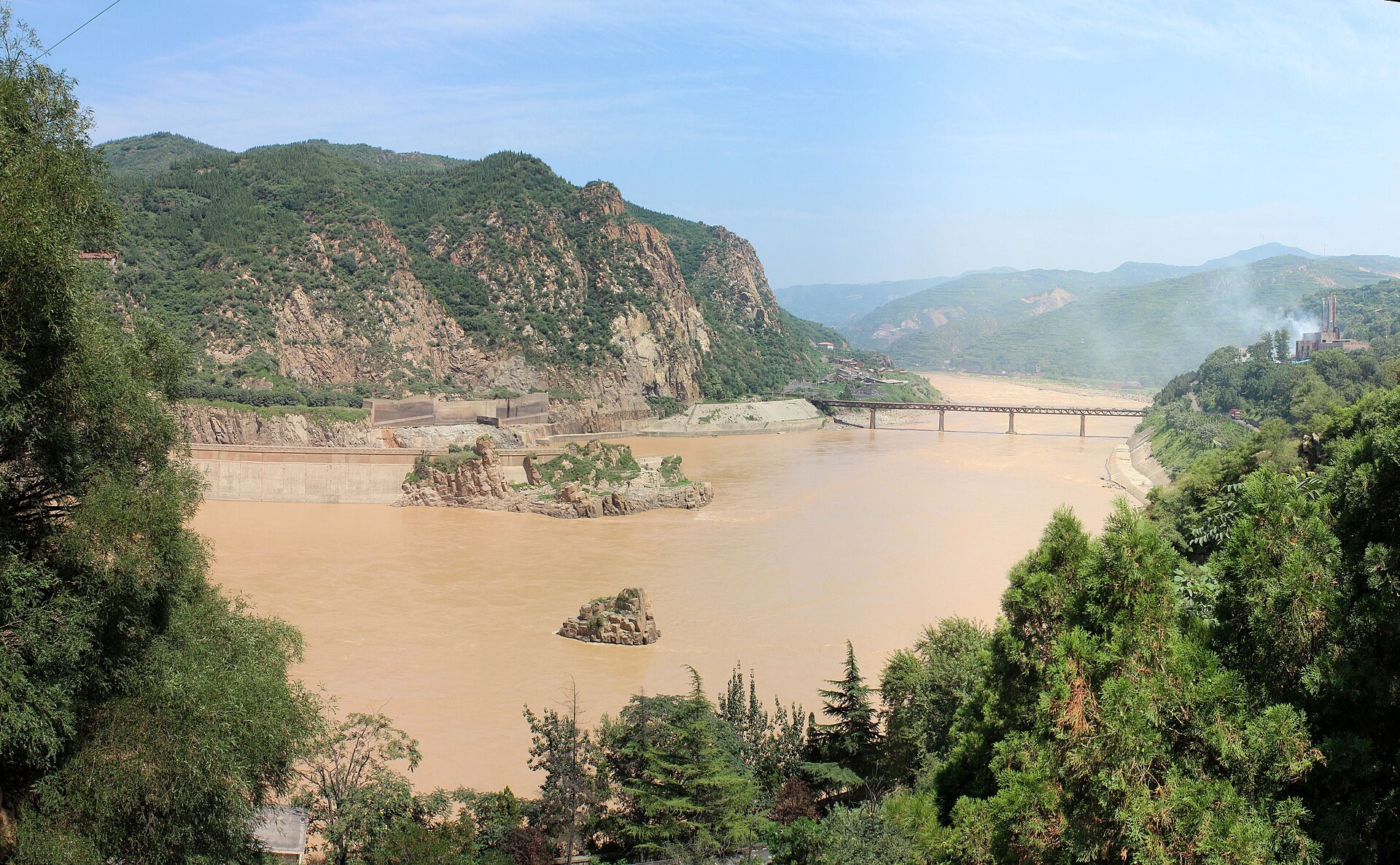
On water management, political legitimacy, and the ancient tension between control and chaos along the Yellow River.
Essay · 2 min · EN
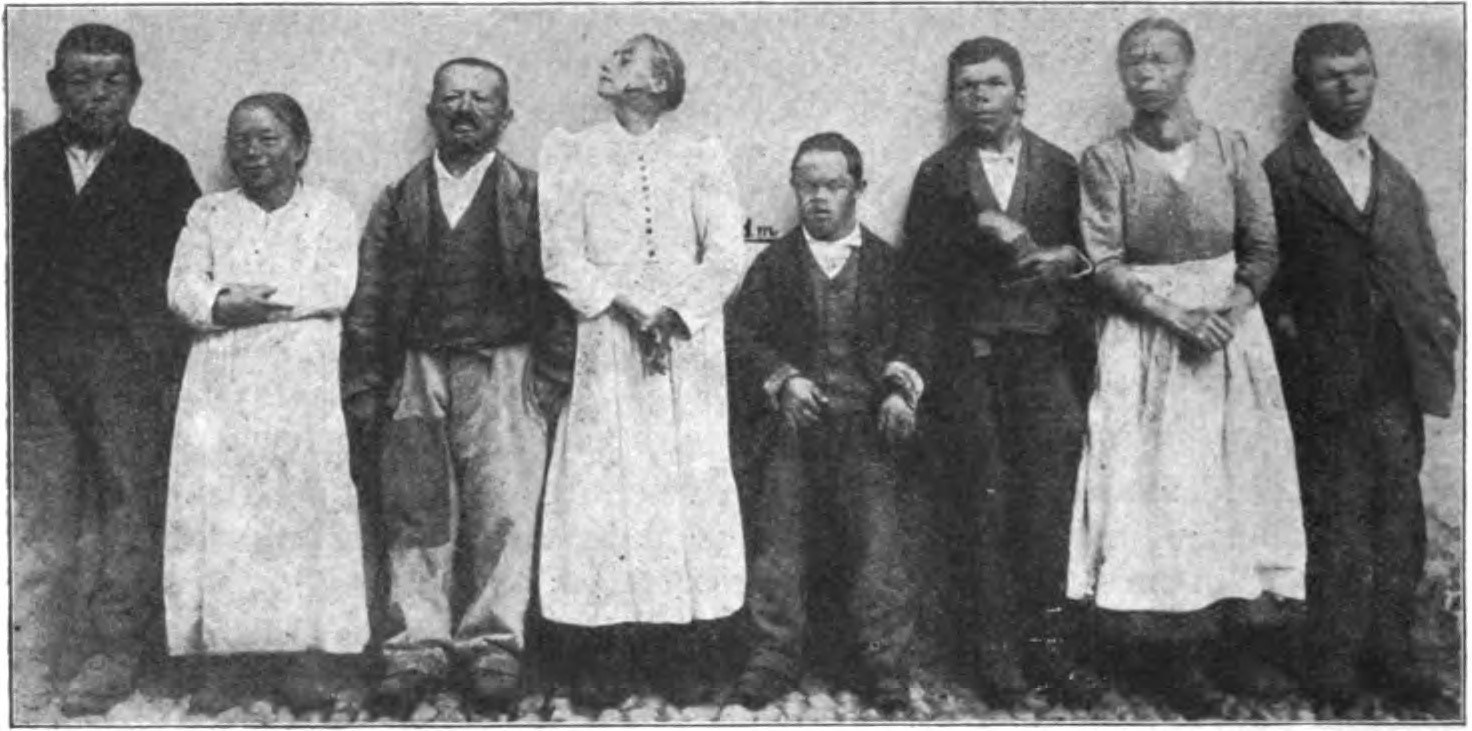
On iodine deficiency, glacial meltwater, mountain salt, and the distance between road-trip nostalgia and modern health.
Essay · 3 min · EN
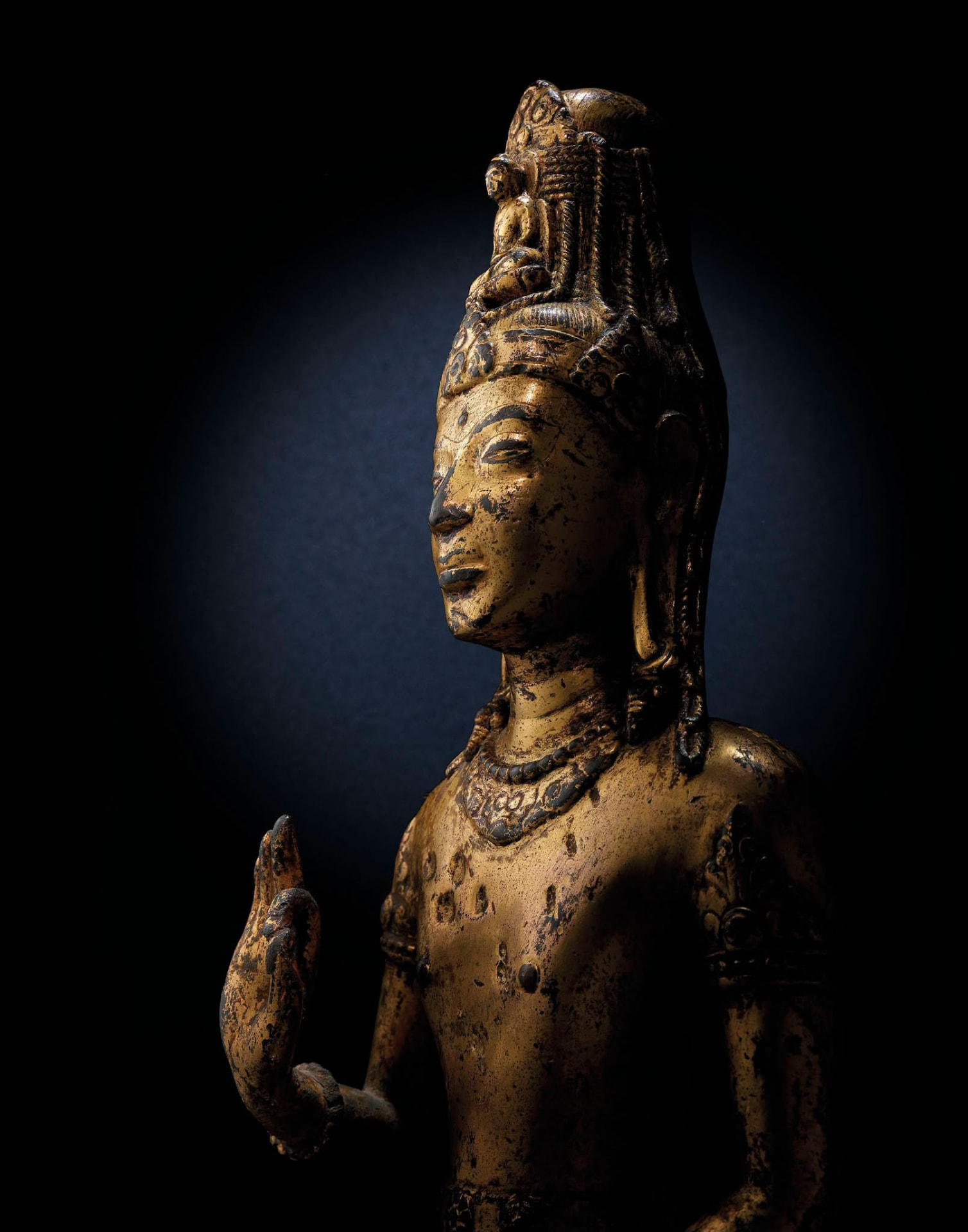
From the dawn cries of the slaughterhouse to the figure of Acuoye Guanyin: the protector of kingdoms and the soul of the valley.
Essay · 3 min · EN
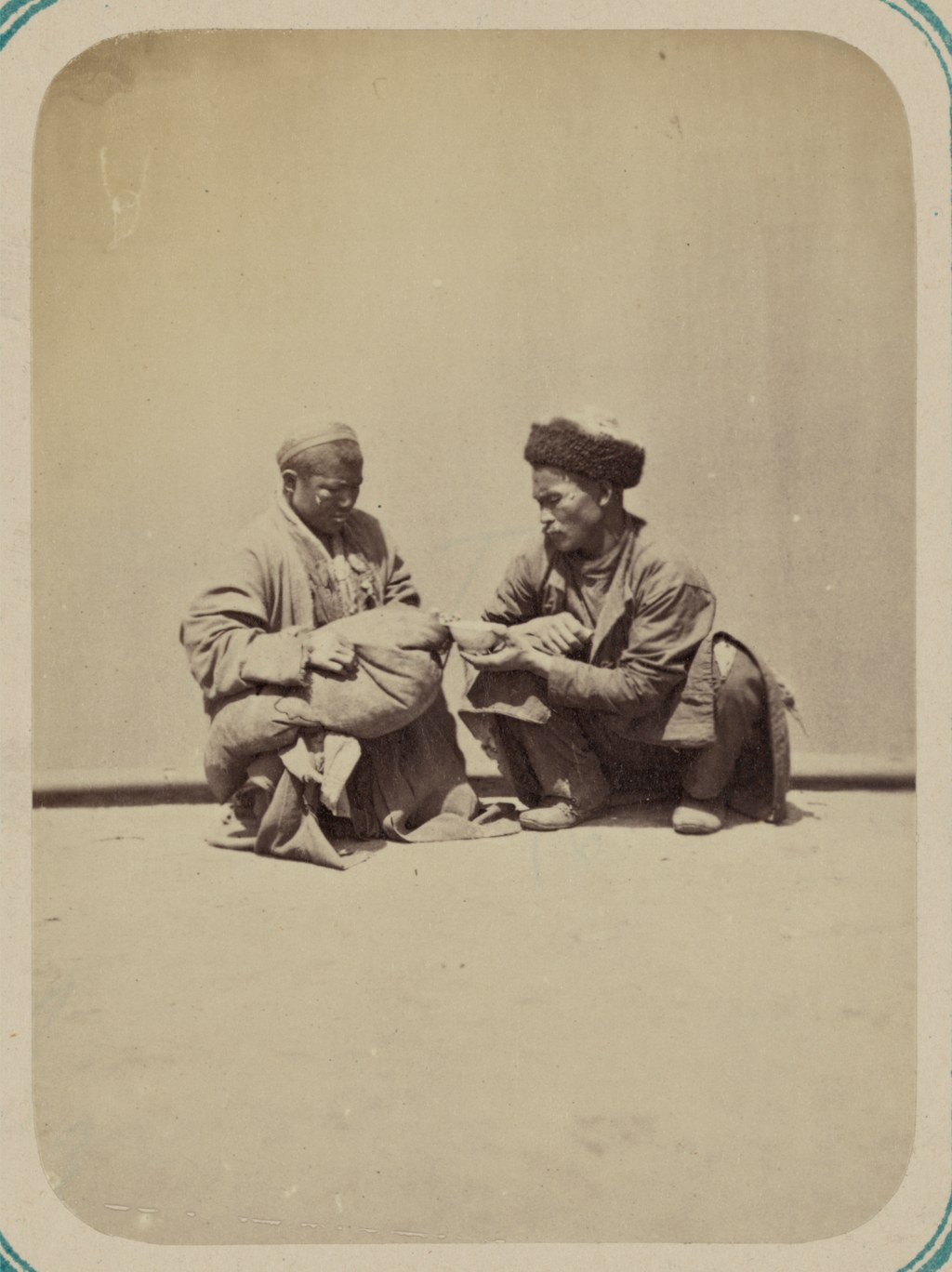
On fermenting bacteria, Xiaohe, and the biotechnology that transformed the steppe into a living space.
Essay · 3 min · EN
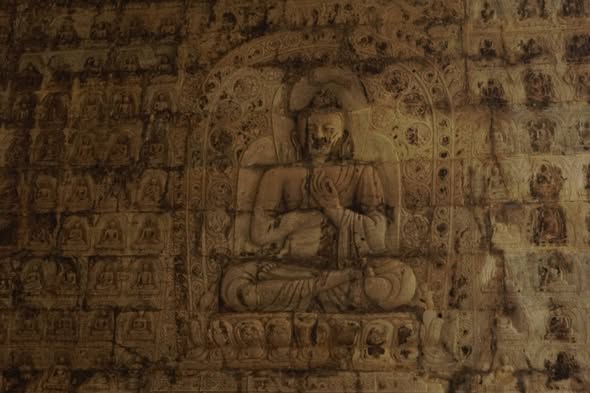
The Cloud Platform, a vanished script, and the Dharma that echoed long after the fall of the Western Xia.
Essay · 4 min · EN
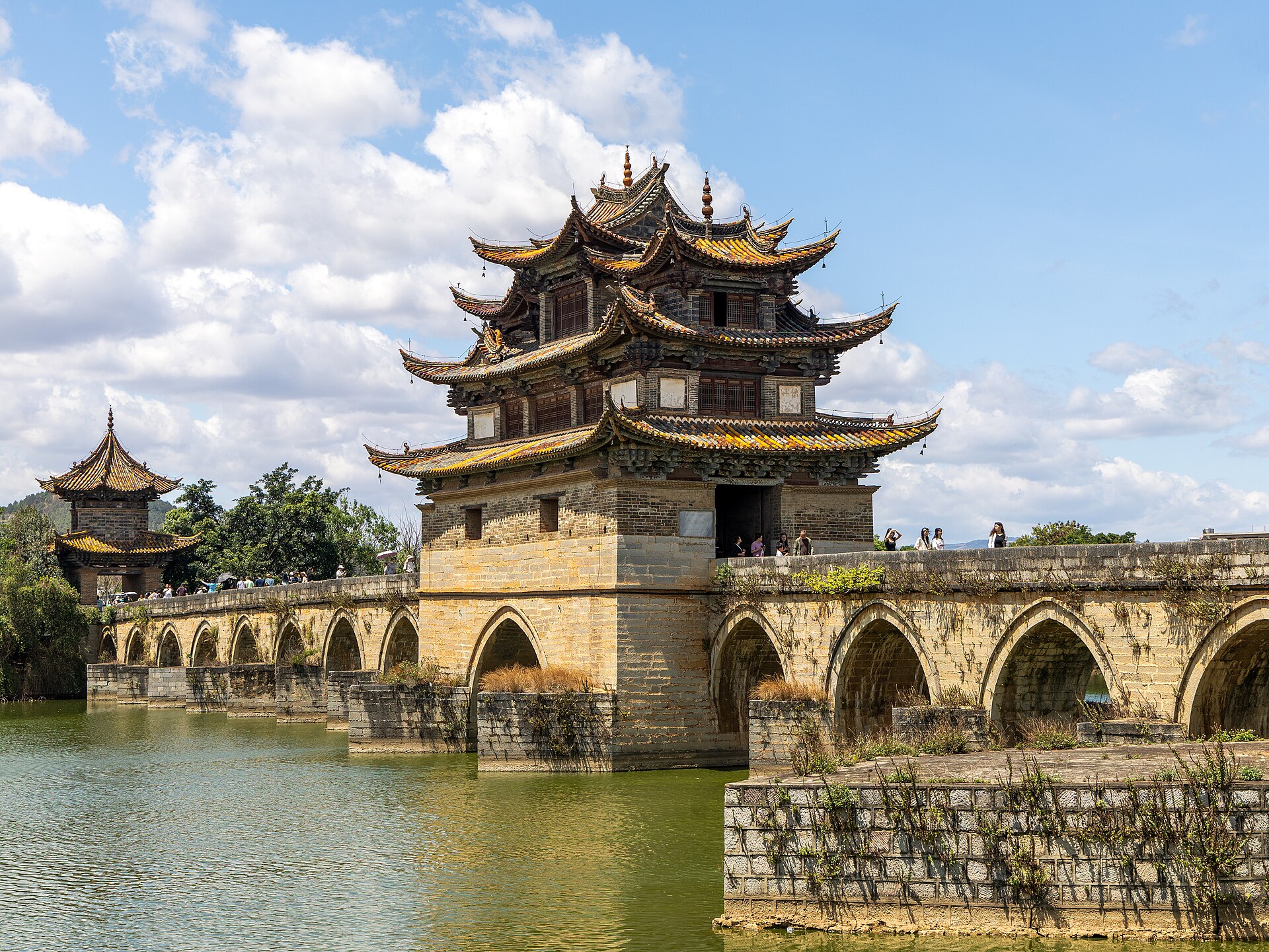
Roads, bridges, and the financing of infrastructure in Imperial China and contemporary Yunnan.
Essay · 3 min · EN
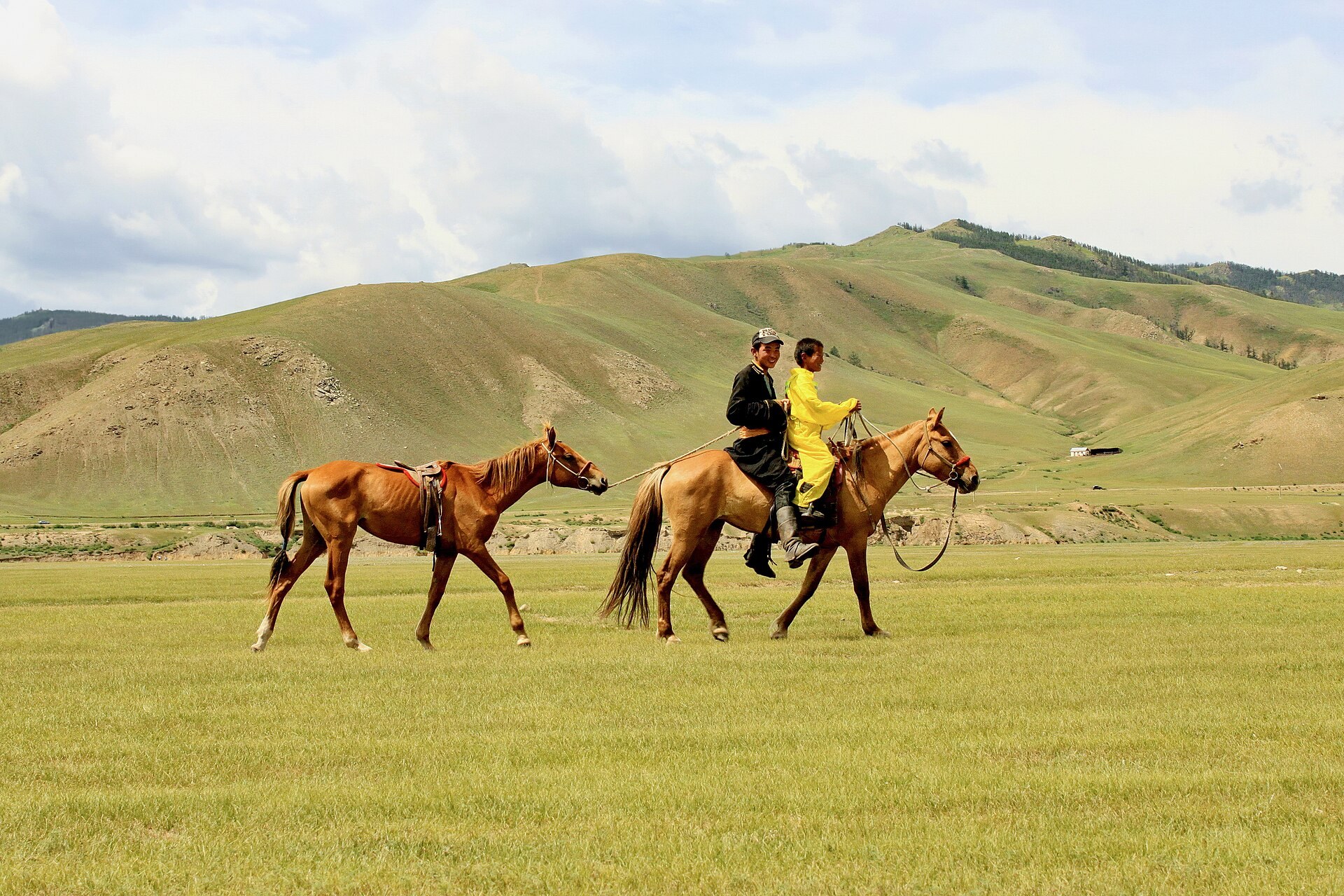
How geology, fodder, and the perpetual need for warhorses shaped China's relationship with Inner Asia.
Essay · 5 min · EN
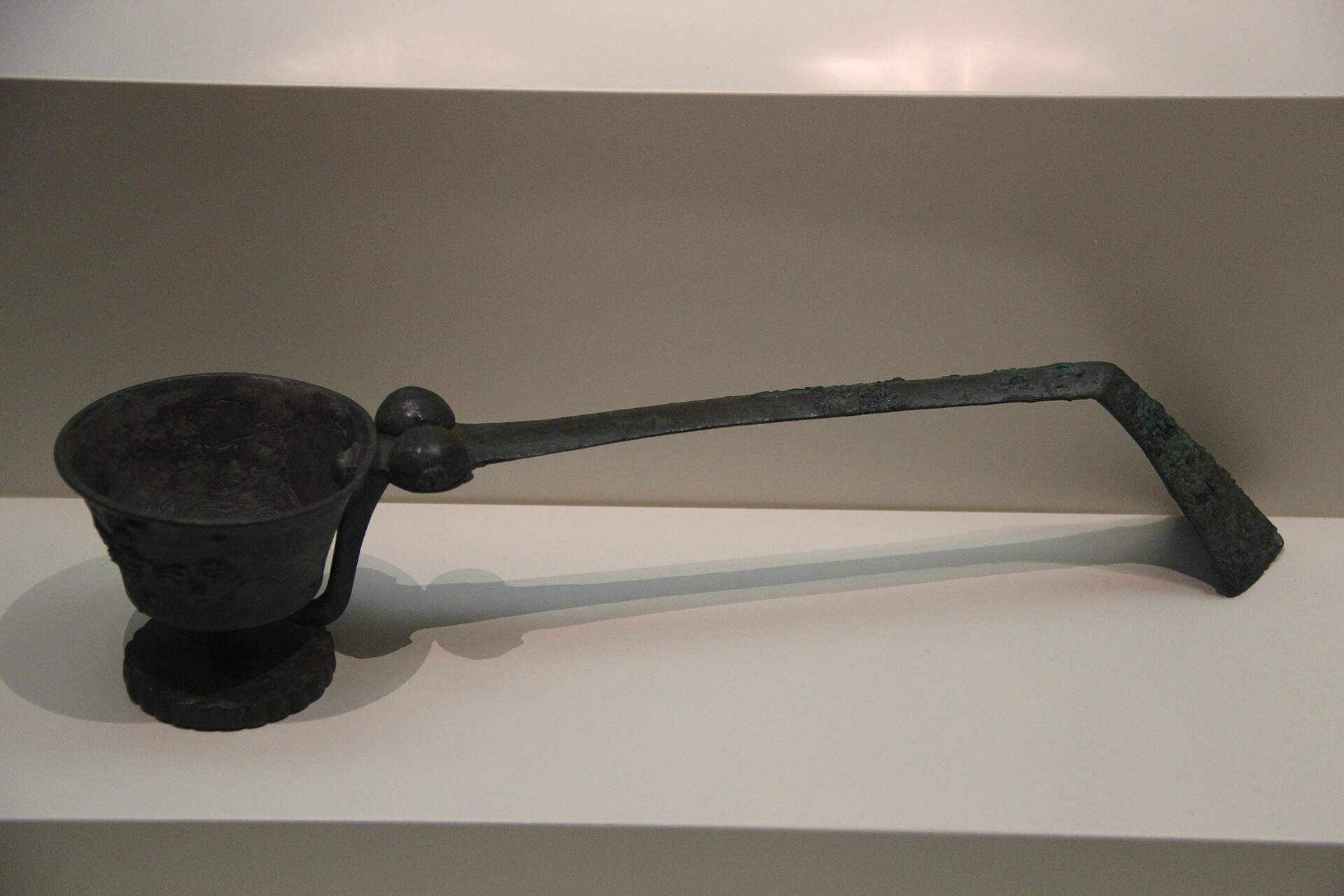
The journey of frankincense from Southern Arabia and the Horn of Africa to China, by land and sea.
Essay · 3 min · EN
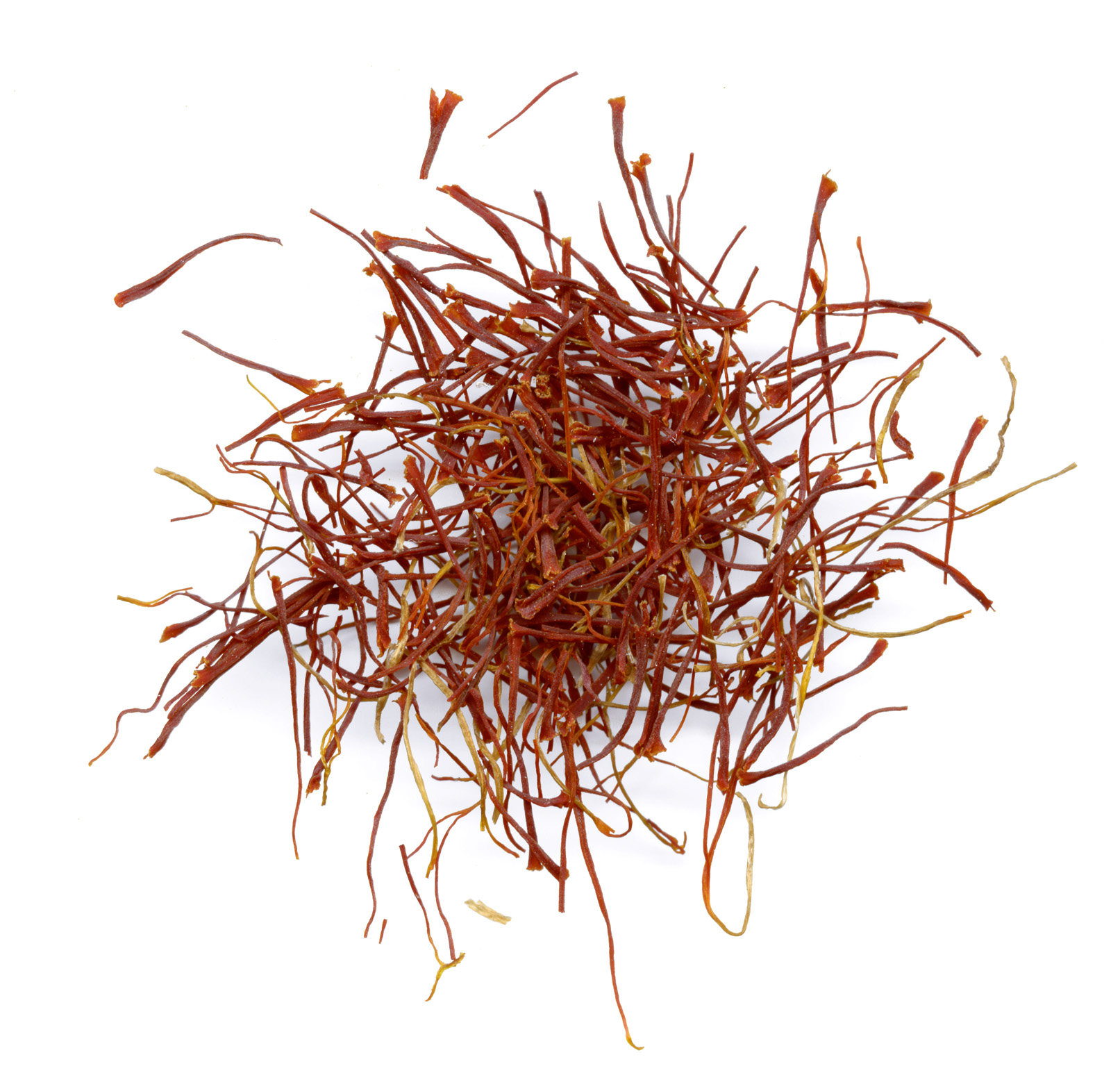
A meditation on identity, migration, and the cultural geography of saffron between Persia, Tibet, and China.
Essay · 3 min · EN
On tribalism, indirect rule, and the long shadow of minority policy—a journey through China's ethnic politics.

Essay · 2 min · EN
The grueling lives of the chábēifū in Western China.

Essay · 6 min · EN
Tracing the high-altitude history of the Wakhan Corridor, where Scythian roots, Ismaili mysticism, and the ghosts of the Great Game converge.

Essay · 3 min · EN
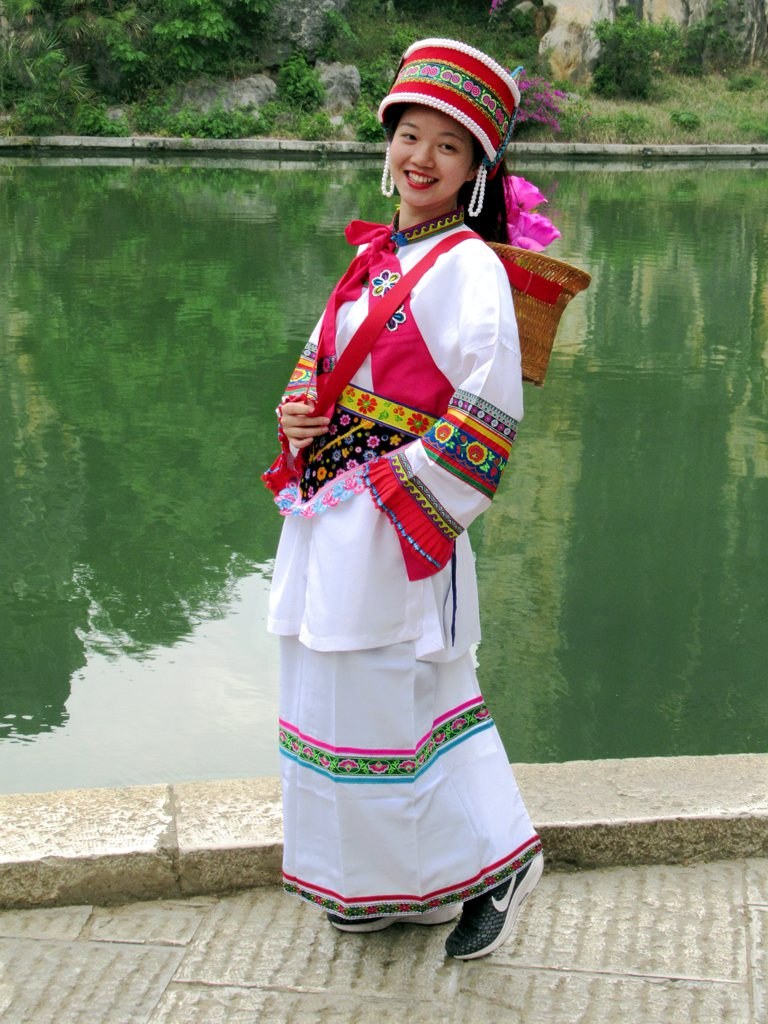
Among the ethnic fragments scattered across the edges of the Tibetan Plateau by the 13th-century Mongol storm, the Bonan are a particularly compelling people.

Essay · 1 min · EN
Tracing the ancient origins and living traditions of the noodle at the Lajia site.

Essay · 5 min · EN
Central Asia is a vast expanse defined less by fixed borders than by the cultural and political lenses through which we view it.

Essay · 20 min · EN
An early biography of the Buddha tells of Tapassu and Bhallika, two Bactrian merchants who offered the Enlightened One his first meal and became his first lay disciples.
Essay · 4 min · EN
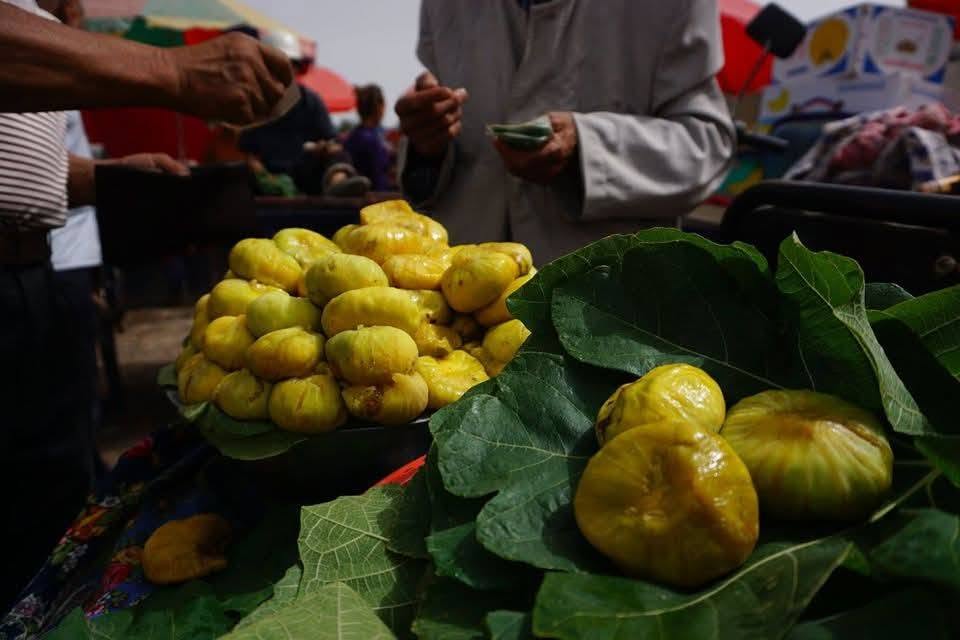
The stall owner noticed me eyeing the bamboo basket beside her stand and urged me to buy.

Essay · 3 min · EN
Ever since the Karakhanid Turks took the city in the eleventh century, Kashgar has acted as a spiritual pole for the Sufi orders of Eastern Turkestan.

Essay · 5 min · EN
Zhang Zhongjing, a father of Chinese medicine and a Han Dynasty scholar, was a loyal civil servant who never strayed from his duties—even in retirement.
Essay · 3 min · EN
Since the dawn of humanity, we have loved to play—a testament to our nature as social beings driven by imagination, learning, and the thrill of luck.

Essay · 6 min · EN
Since the dawn of time, humanity has excelled at drawing borders.

Essay · 15 min · EN
Chinese soil lacks selenium, and Tibet had horses. A conversation with a former caravan leader about what that trade actually was.

Essay · 7 min · EN
Even under the weight of modernity and Chinese rule, Tibet remains in the popular imagination an exotic, mysterious land of wonders.
Essay · 5 min · EN
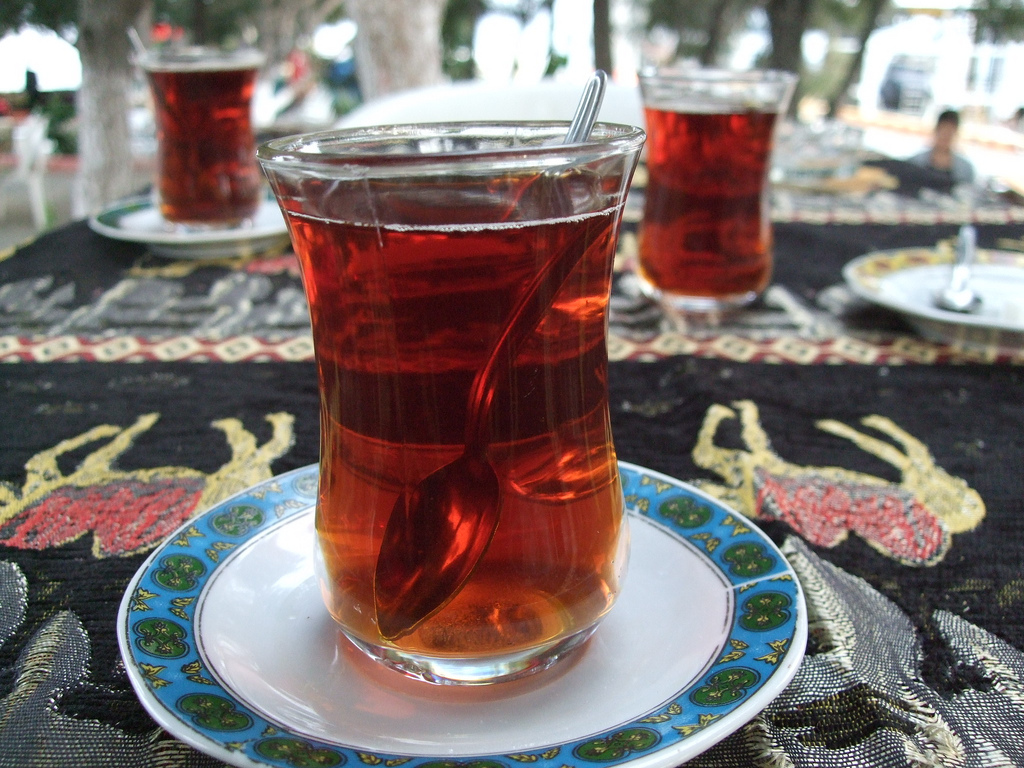
Some nations possess a culture so steeped in tea that it is nearly impossible to imagine them without it.

Essay · 4 min · EN
Mummification is usually a post-mortem affair, but for a select few Japanese monks, the process of becoming an incorruptible icon began while they were still breathing.

Essay · 7 min · EN
Asia is the cradle of the great faiths—Buddhism and Brahmanism, Islam, Christianity, and Confucianism.

Essay · 5 min · EN
Asia is the largest landmass on Earth and the historical engine of humanity. From the British Isles to Japan, the seeds of the processes that brought us from hunter-gathering to nuclear energy and reality TV were sown in this vast stretch of land.