Essay · 4 min · EN
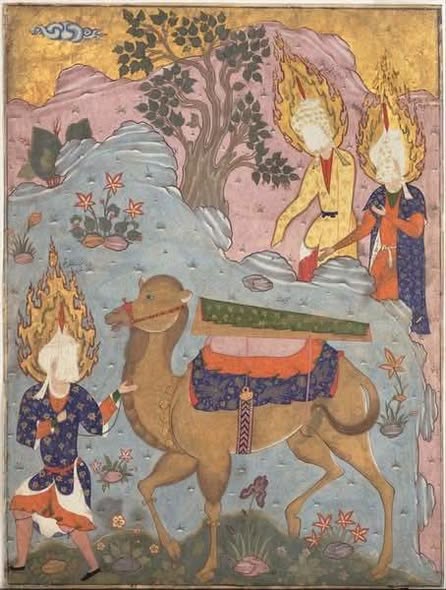
The Ashura She-Camel
On the Shiization of Safavid Iran, the ritual camel sacrifice in Isfahan, and the nexus of religious mourning, public violence, and sovereign power.
Writing
Essays, field notes and research by Noam Backner on China, Inner Asia, Buddhism, the Silk Roads, food, agriculture and the lived experience of place.
Essay · 4 min · EN
On the Shiization of Safavid Iran, the ritual camel sacrifice in Isfahan, and the nexus of religious mourning, public violence, and sovereign power.
Essay · 2 min · EN
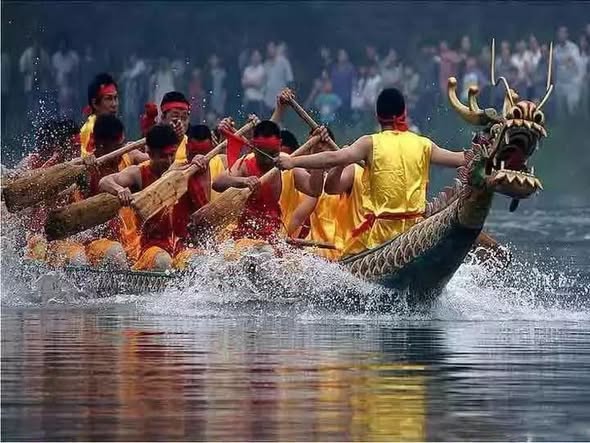
On the most perilous month of the Chinese calendar, protective rites, Qu Yuan, and the pendulum swinging between sickness and health, order and chaos.
Essay · 5 min · EN
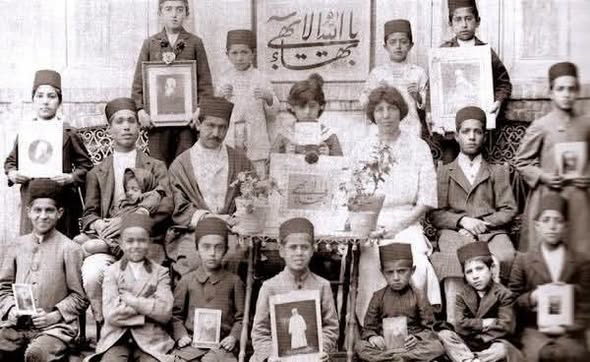
On the historical encounter between Iranian Jews and the Baha'i movement, and the possibilities for identity, equality, and modernity in the late Qajar period.
Essay · 2 min · EN
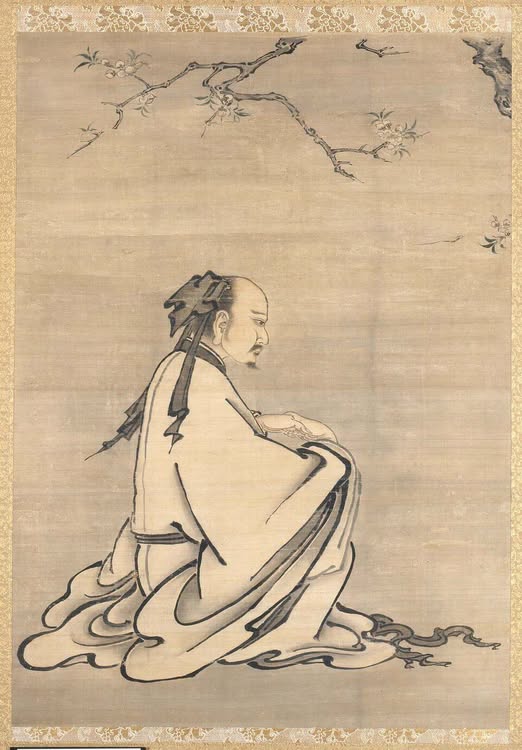
Exploring the Chinese tradition of 'zhai' as a holistic preparation for the sacred, and Zhuangzi’s radical concept of internal emptiness.
Essay · 2 min · EN
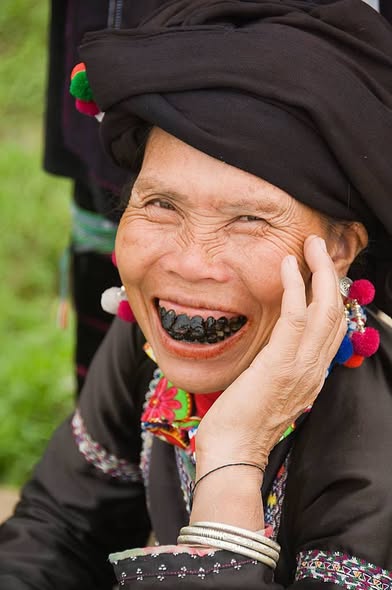
Once a marker of identity and marriage in the Neolithic heartland, the custom of tooth ablation migrated south, eventually becoming a mark of the 'barbarian' other in later Chinese history.
Essay · 2 min · EN
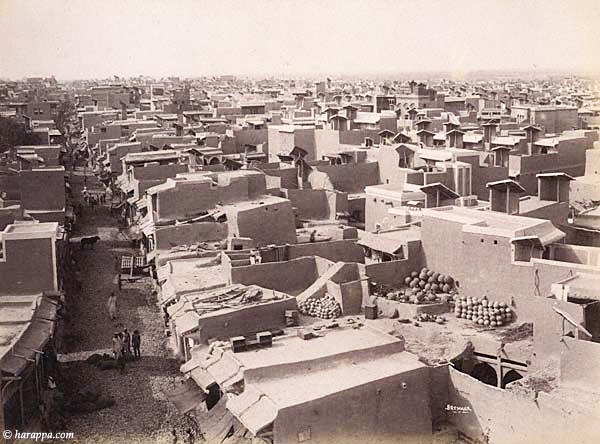
On the badgir towers of Sindh, climatic architecture, and the shared heritage of Iran, Central Asia, and the Subcontinent.
Essay · 3 min · EN
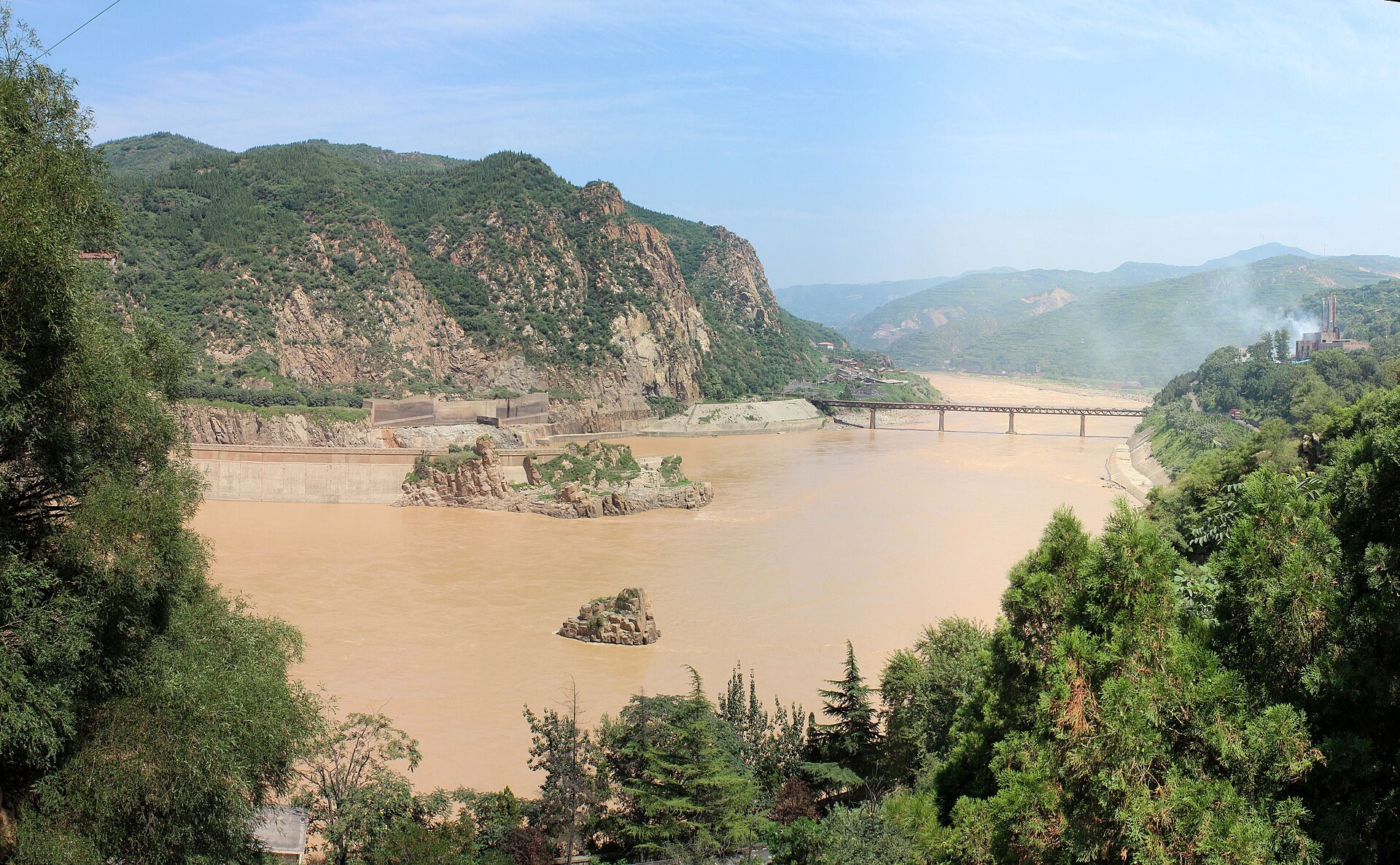
On water management, political legitimacy, and the ancient tension between control and chaos along the Yellow River.
Essay · 2 min · EN
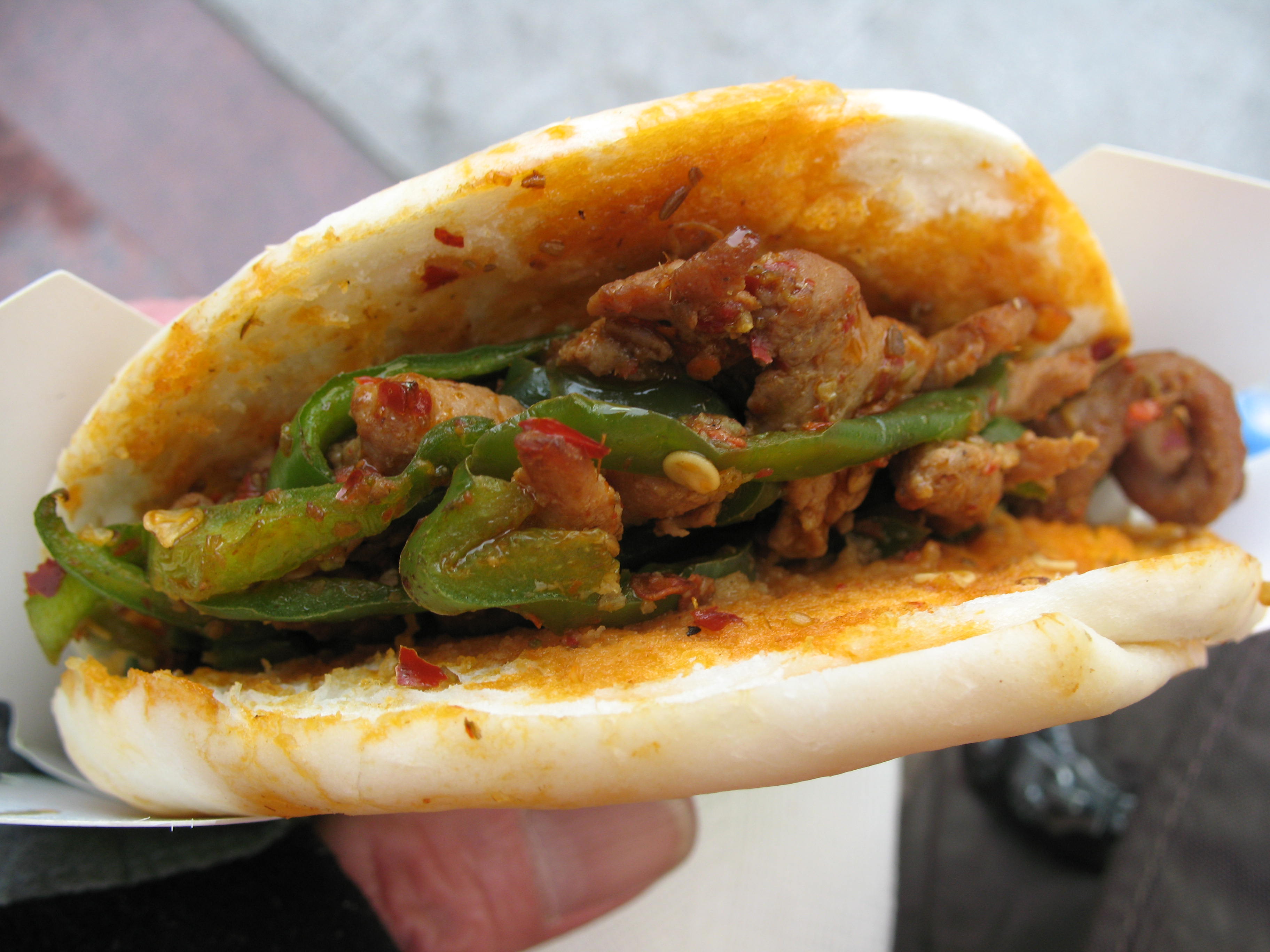
From ancient 'barbarian bread' to the modern Big Mac: how China absorbed the Western sandwich into its own culinary soul.
Essay · 2 min · EN
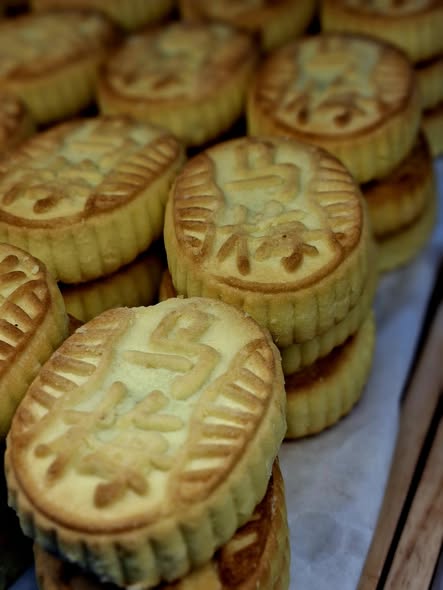
On the unique role of sweetness in Chinese cuisine and the crumbly paradise of the capital’s traditional pastry shops.
Essay · 3 min · EN
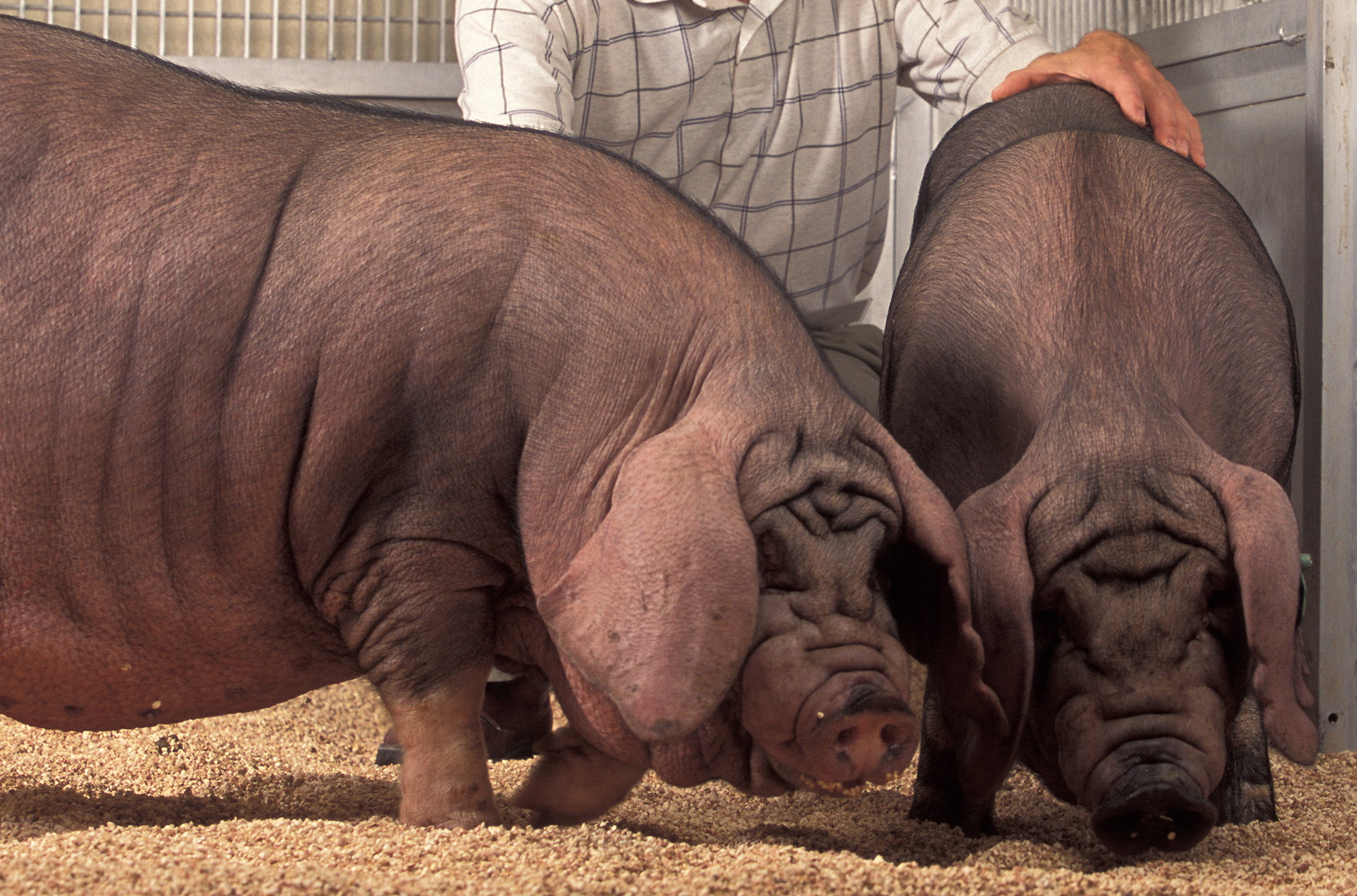
On the domestication of the pig, the economic shift southward, and the role of pork in Chinese agriculture, cuisine, and morality.
Essay · 2 min · EN
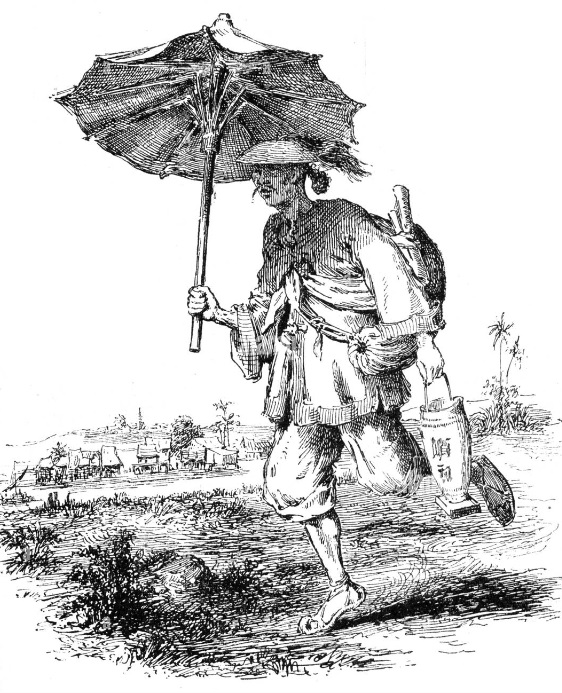
The relay stations of the Chinese Empire and the strange new life the concept has found in the modern world of logistics.
Essay · 2 min · EN
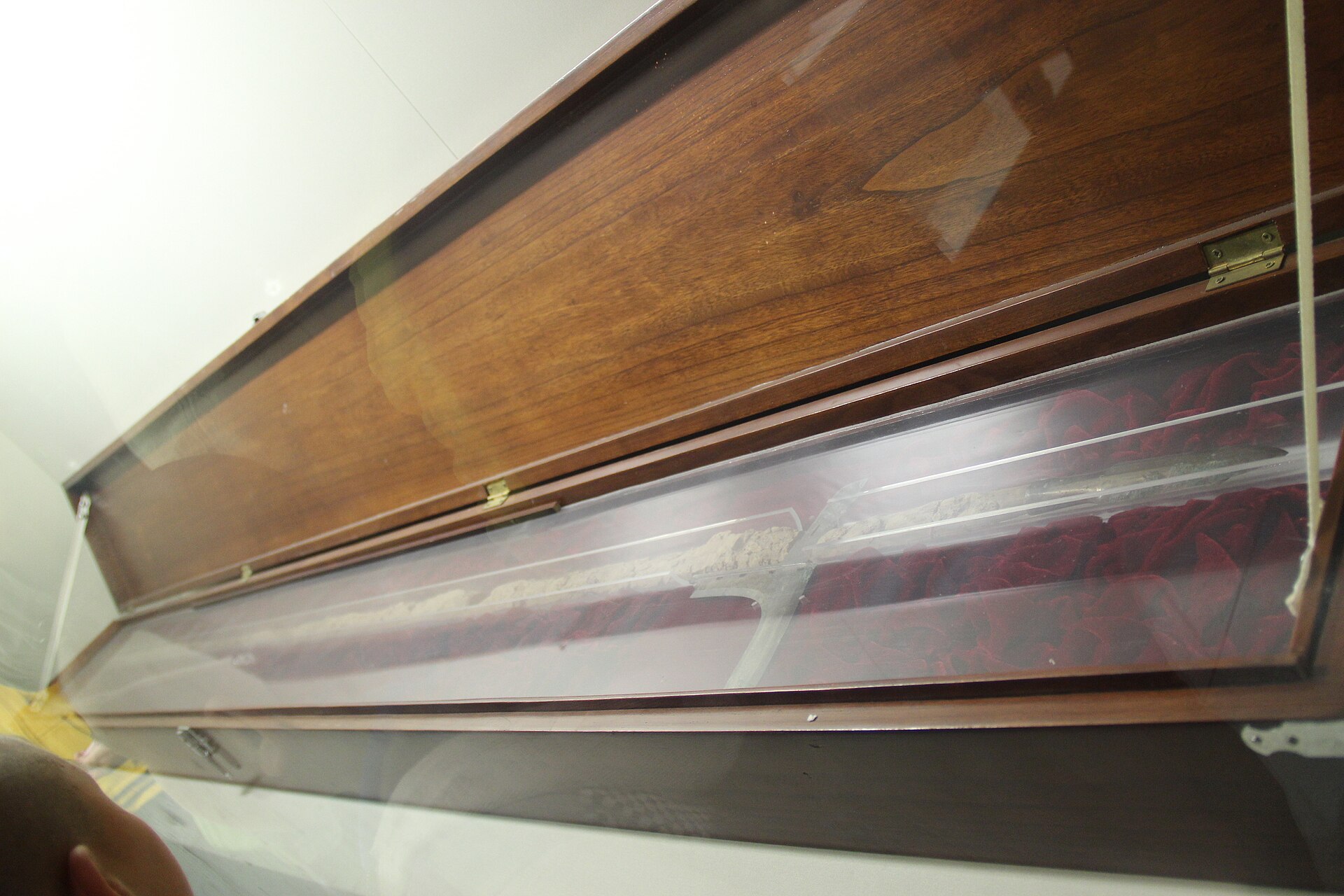
What actually preserved the bronze weapons in the First Emperor's tomb, and what metallurgy reveals about the first Chinese state.
Essay · 2 min · EN
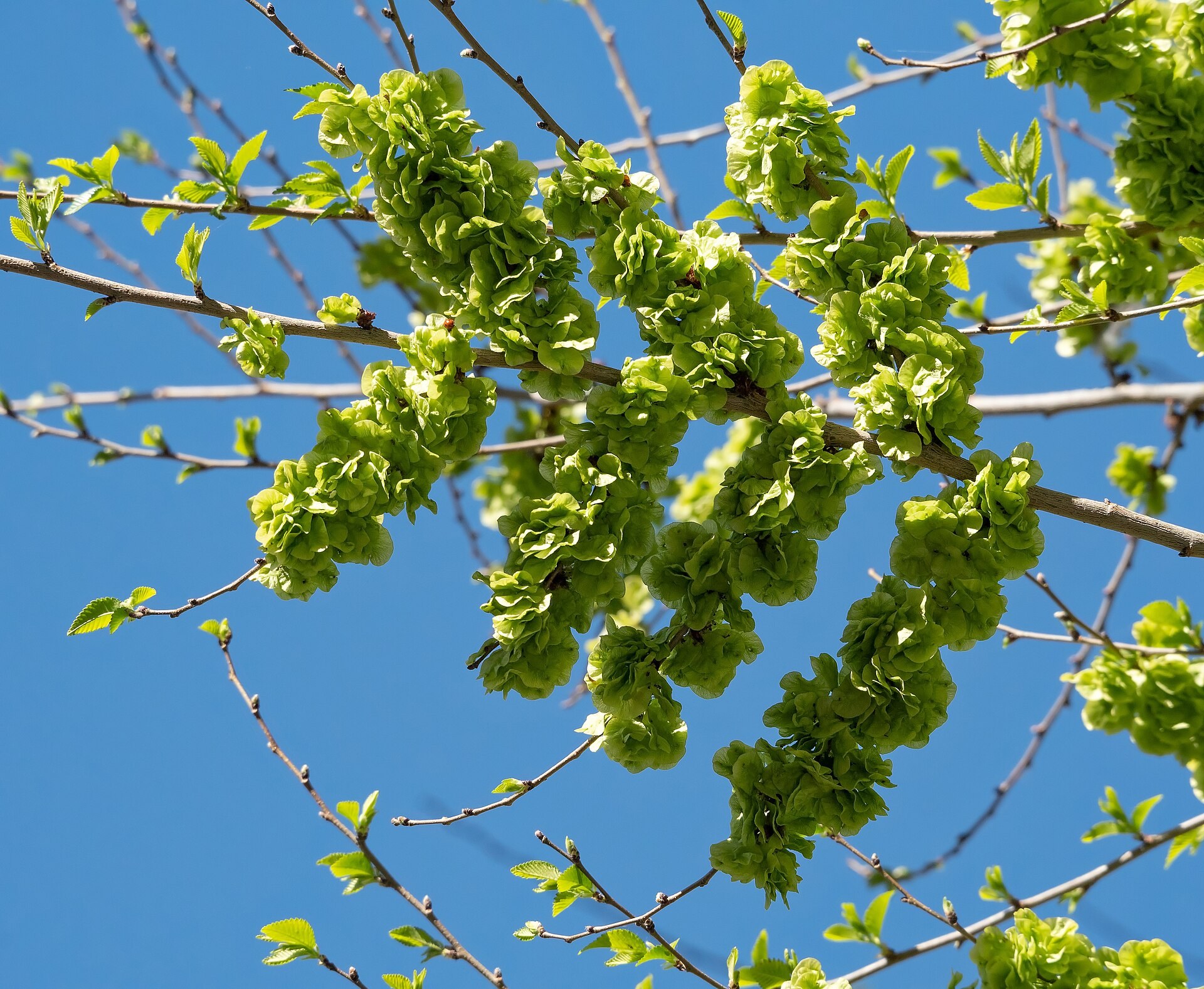
On the young samaras of the elm tree: an ancient survival food turned seasonal delicacy in the cuisine of Gansu.
Essay · 3 min · EN
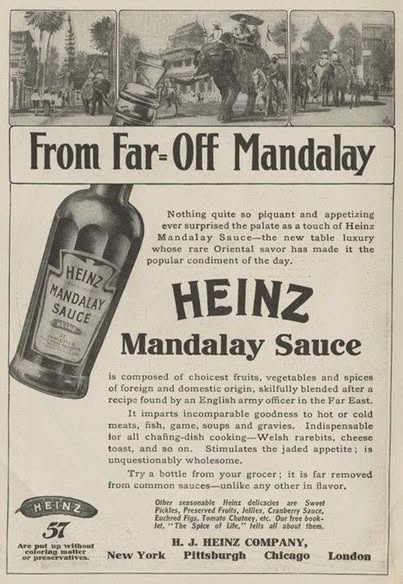
From the imagined Burma of Mandalay Sauce to the absorption of foreign crops into the grammar of Chinese cuisine.
Essay · 2 min · EN
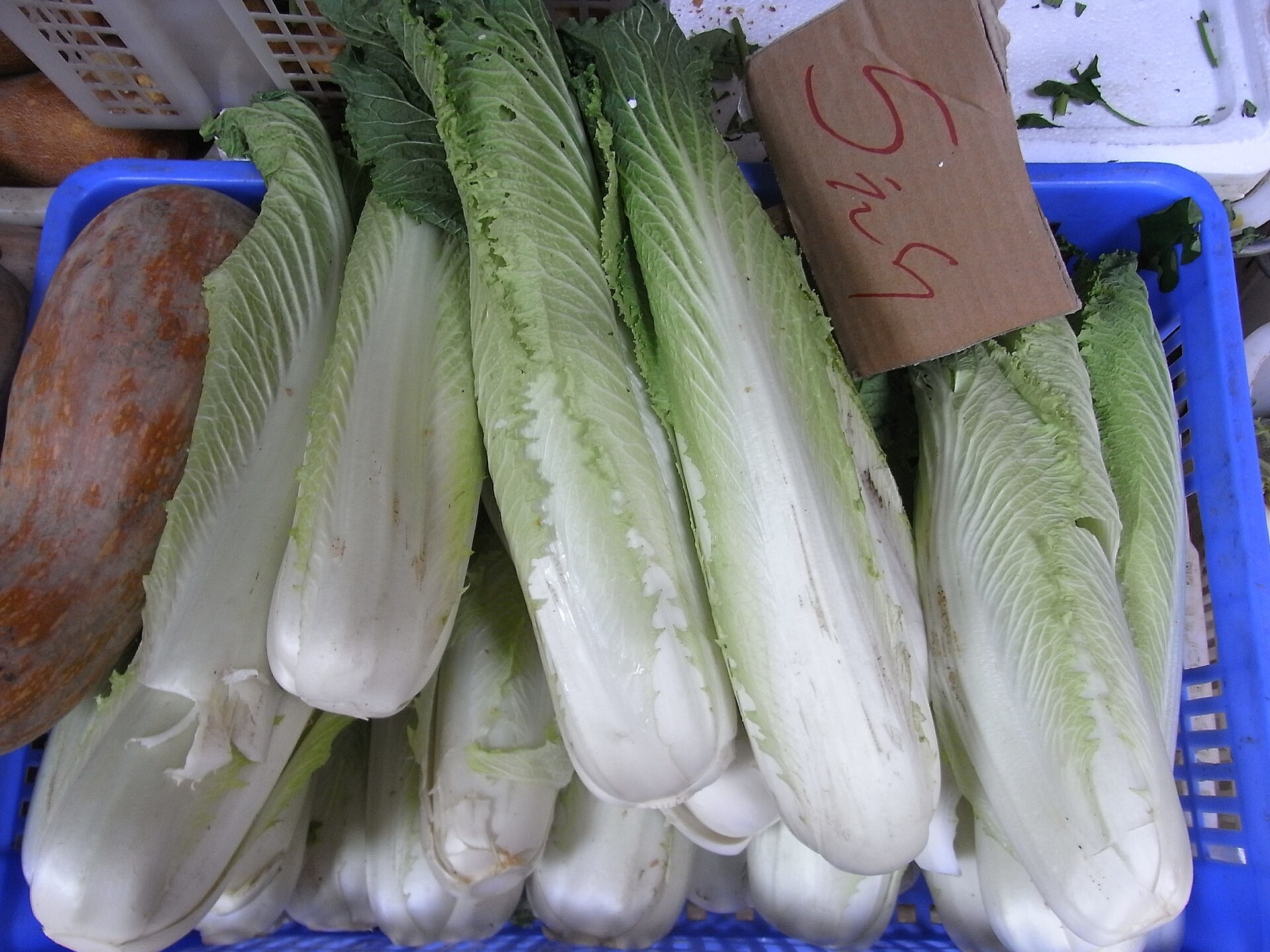
The humble Chinese cabbage: a nutritional pillar, a migratory crop, a courtly delicacy, and a national treasure carved in jade.
Essay · 3 min · EN
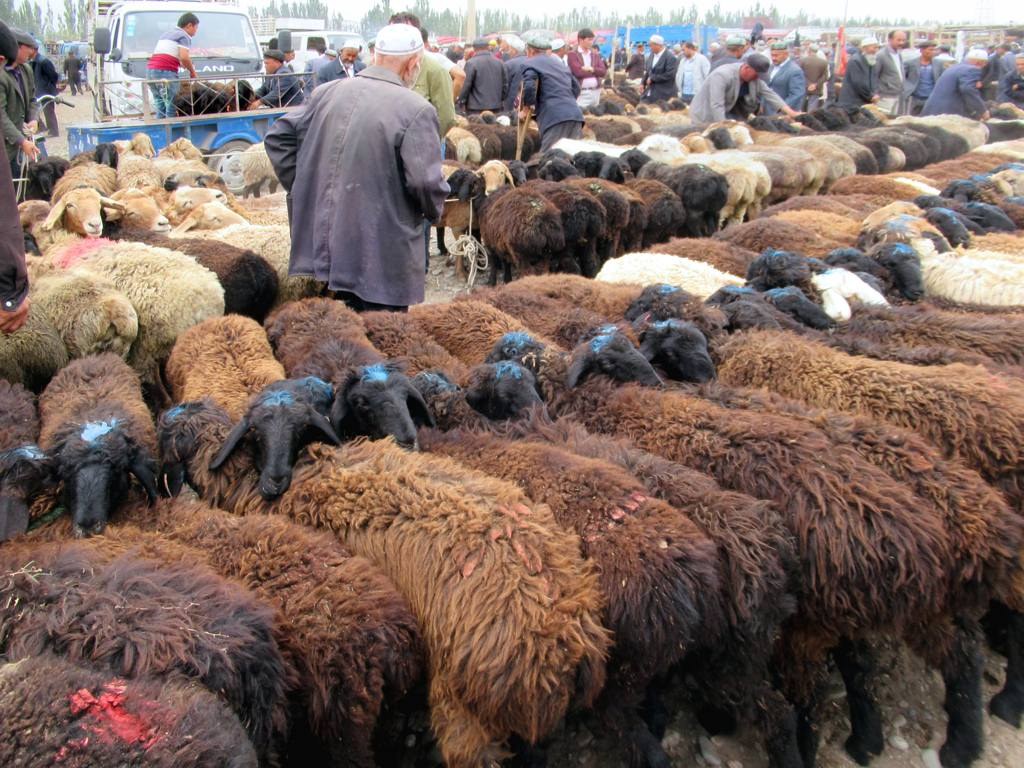
Fat-tailed sheep, desert economics, and the tension between public sacrifice and inner transformation.
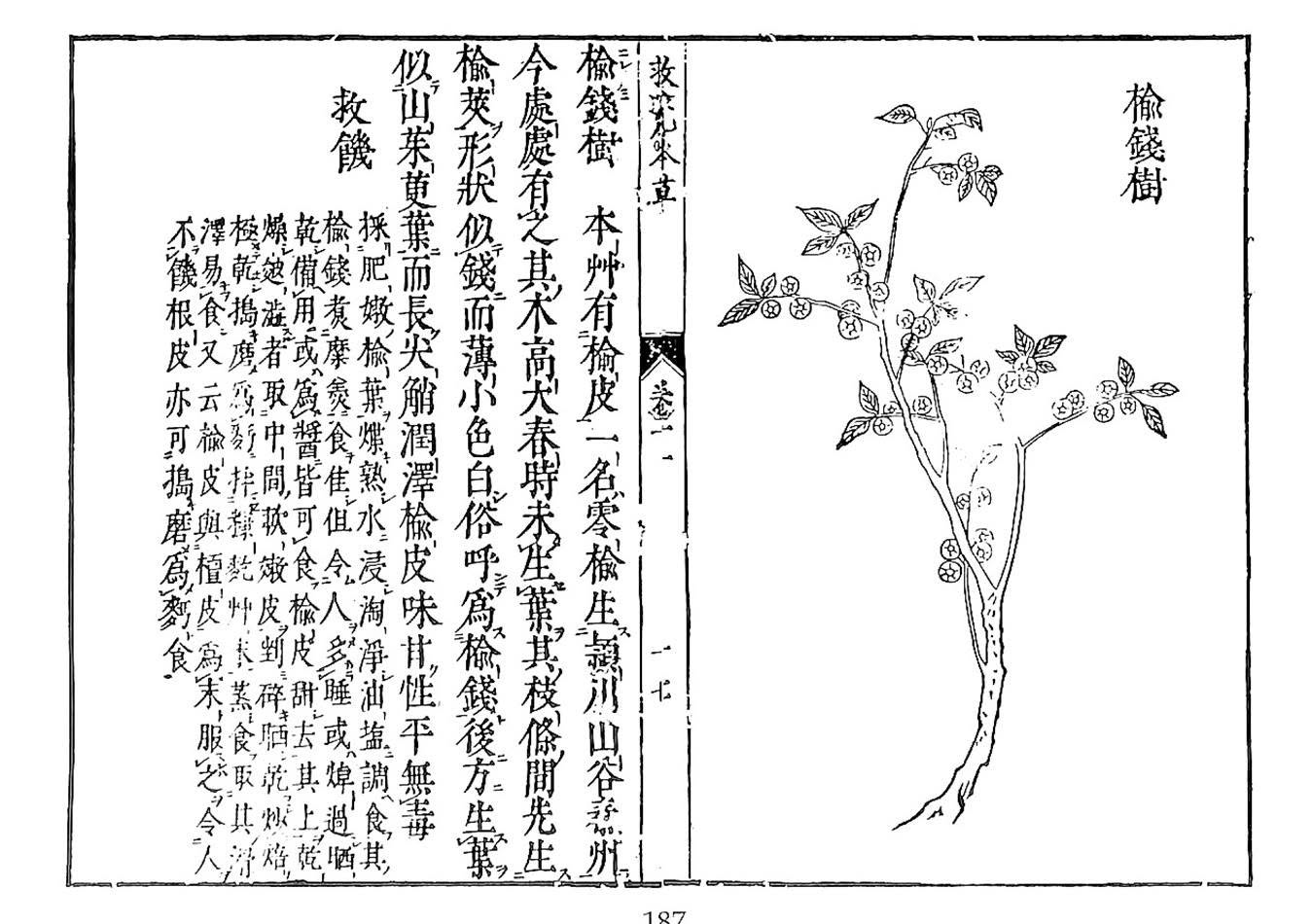
Essay · 3 min · EN
From Materia Medica to Genus and Species: A new scientific language, an imperial crisis, and the birth of a dual system of meaning.
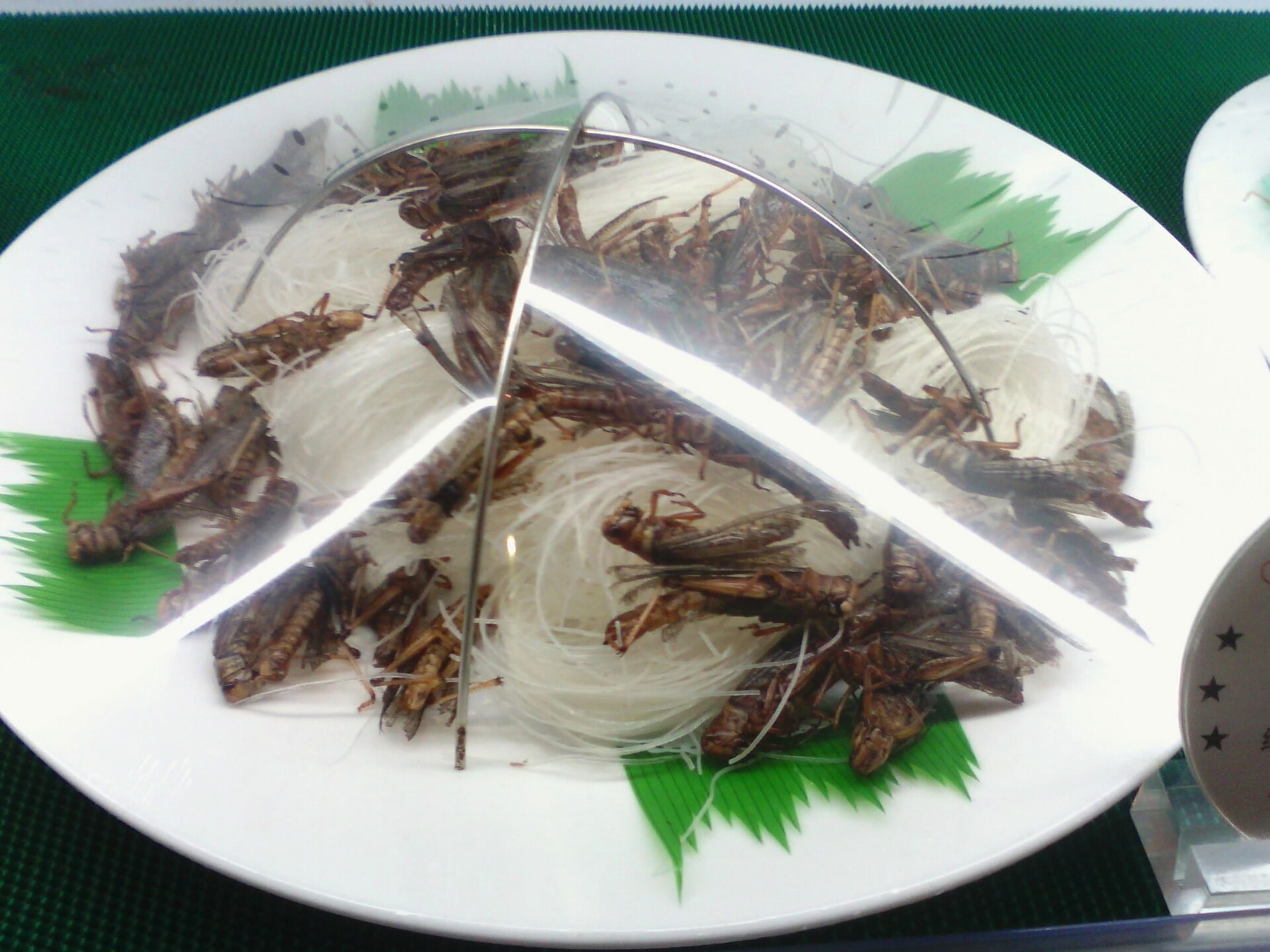
Essay · 2 min · EN
An improvised Sabbath dish blending eggplant, shan yao, and spicy grasshopper dip in the style of southern Yunnan.
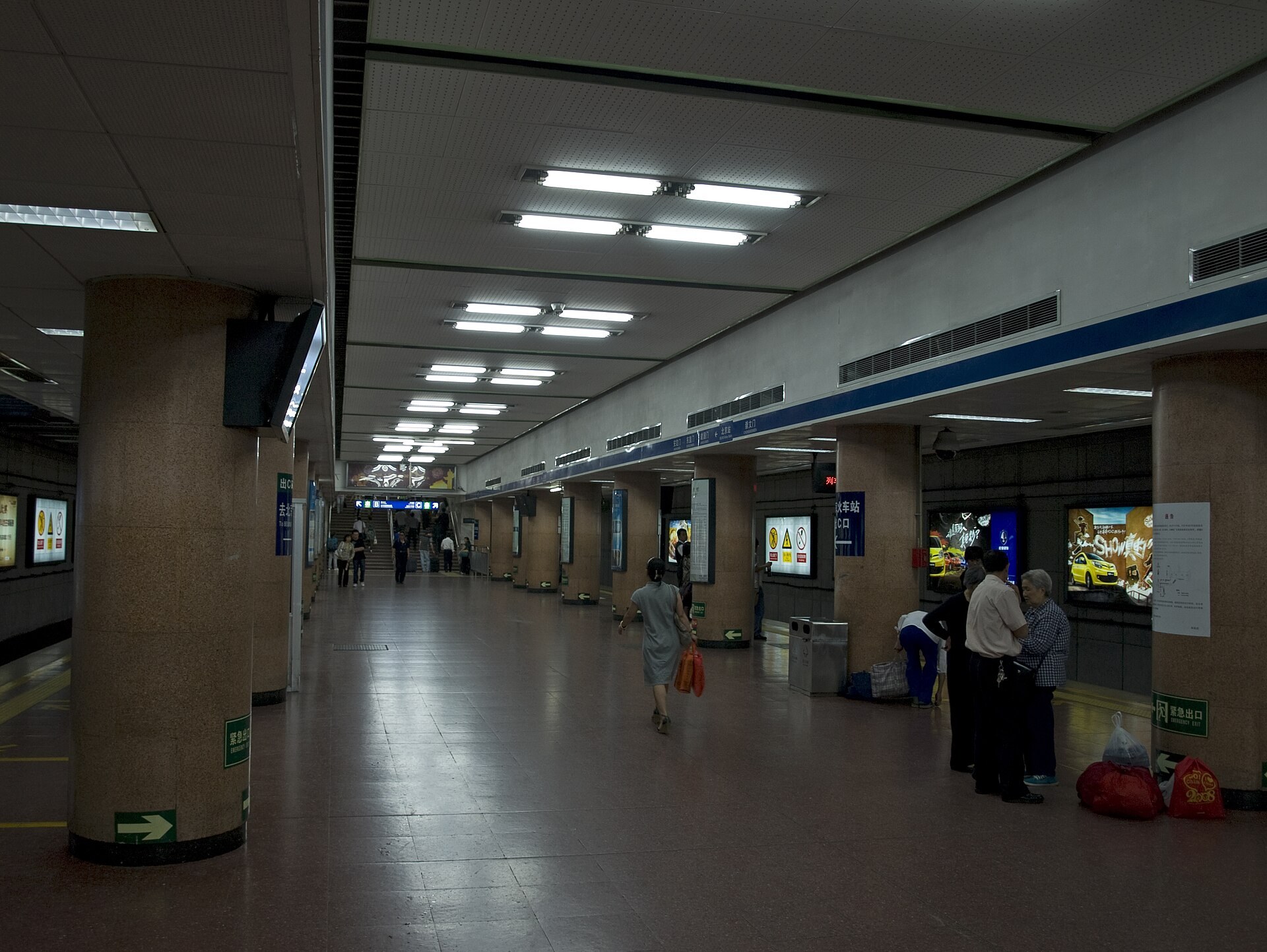
Essay · 4 min · EN
Station names serve as windows into the walls, markets, villages, and infrastructure buried beneath the modern city.
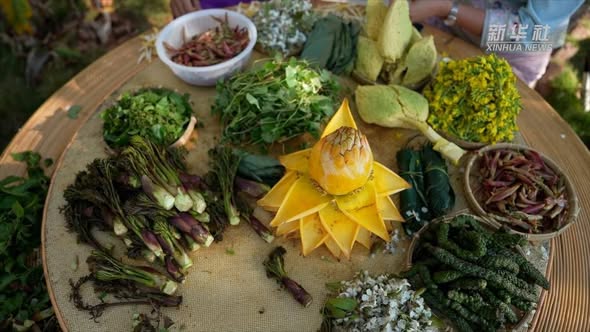
Essay · 2 min · EN
On pomegranate blossoms, rhododendrons, and the foraging traditions that bridge the garden, the mountain, and the stove.
Essay · 4 min · EN
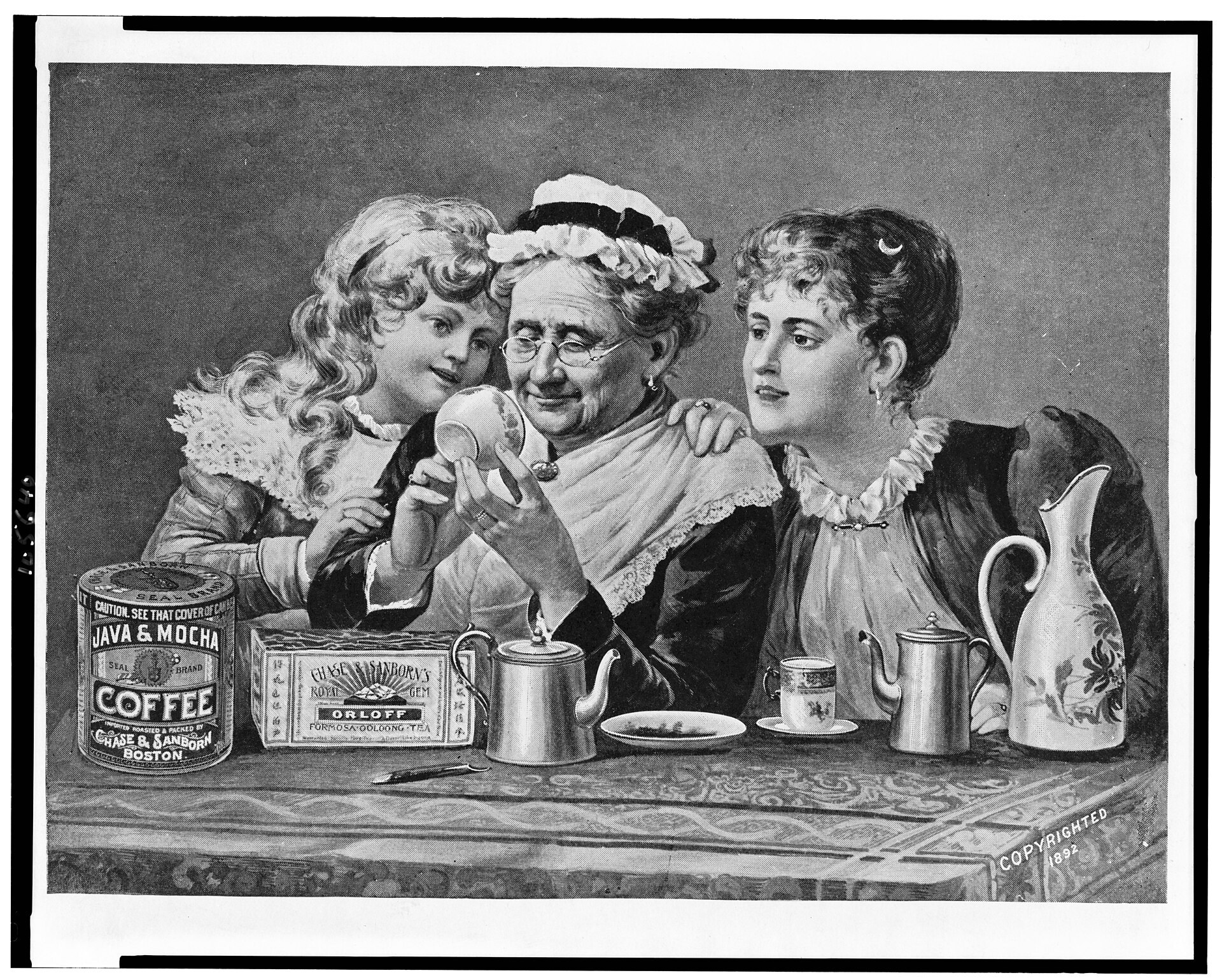
A brief munazara between two noble beverages and their spiritual traditions.
Essay · 3 min · EN
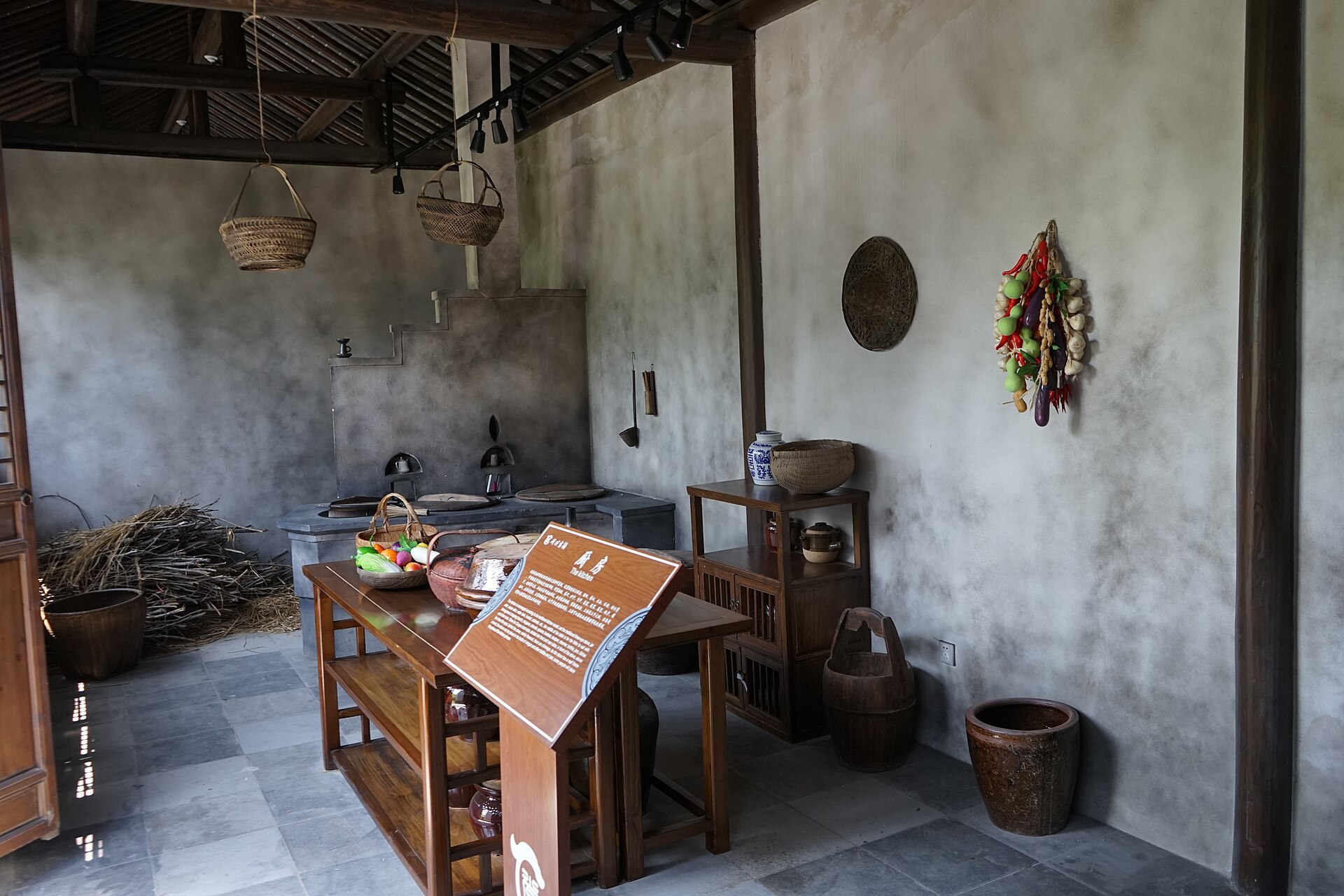
On fuel, rice, oil, salt, soy, vinegar, and tea—and the home as a complete network.
Essay · 3 min · EN
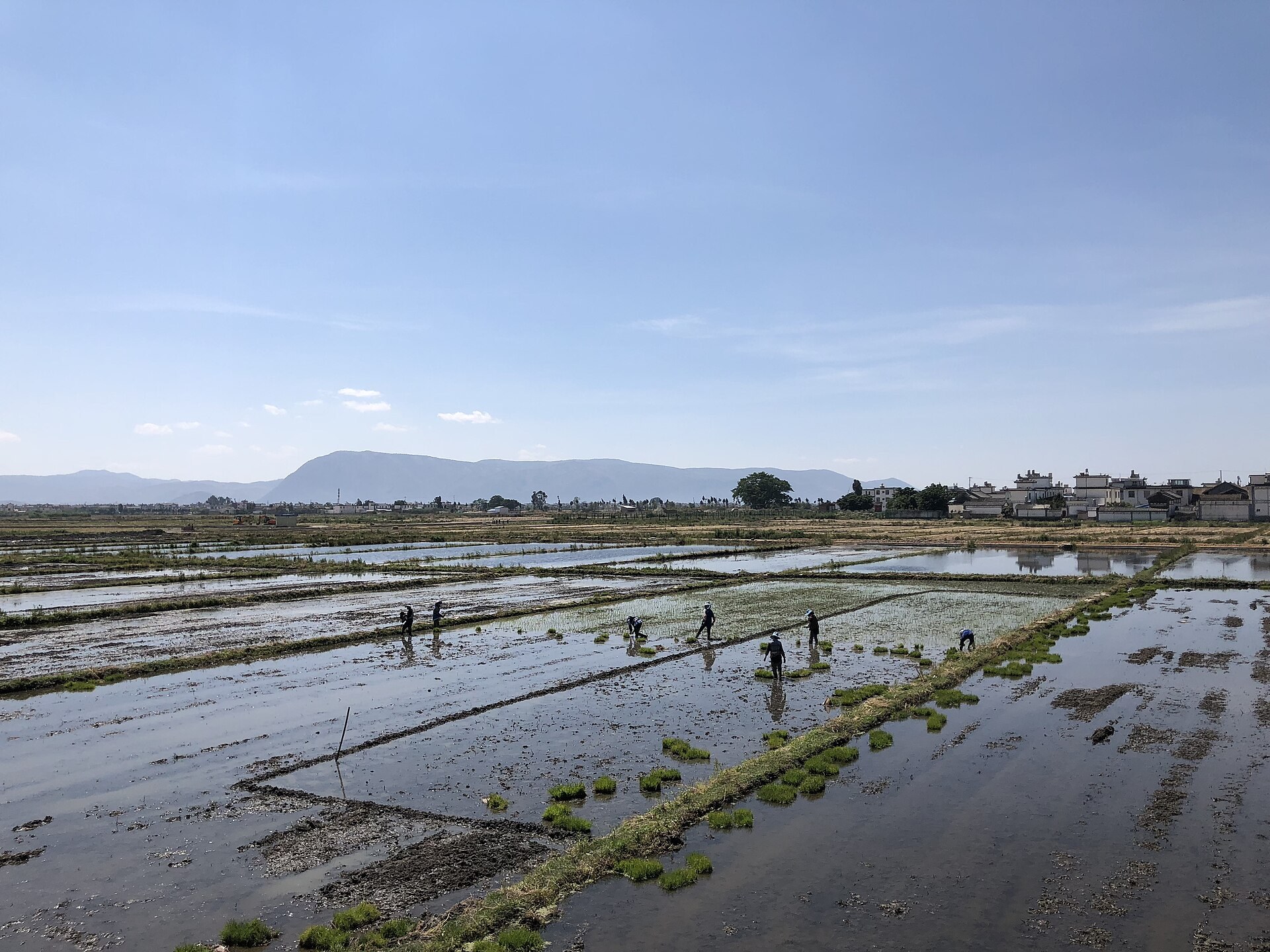
From the view through my window to the challenges of 2026: observing the vanishing world of intensive agriculture in the Erhai Valley.
Essay · 3 min · EN
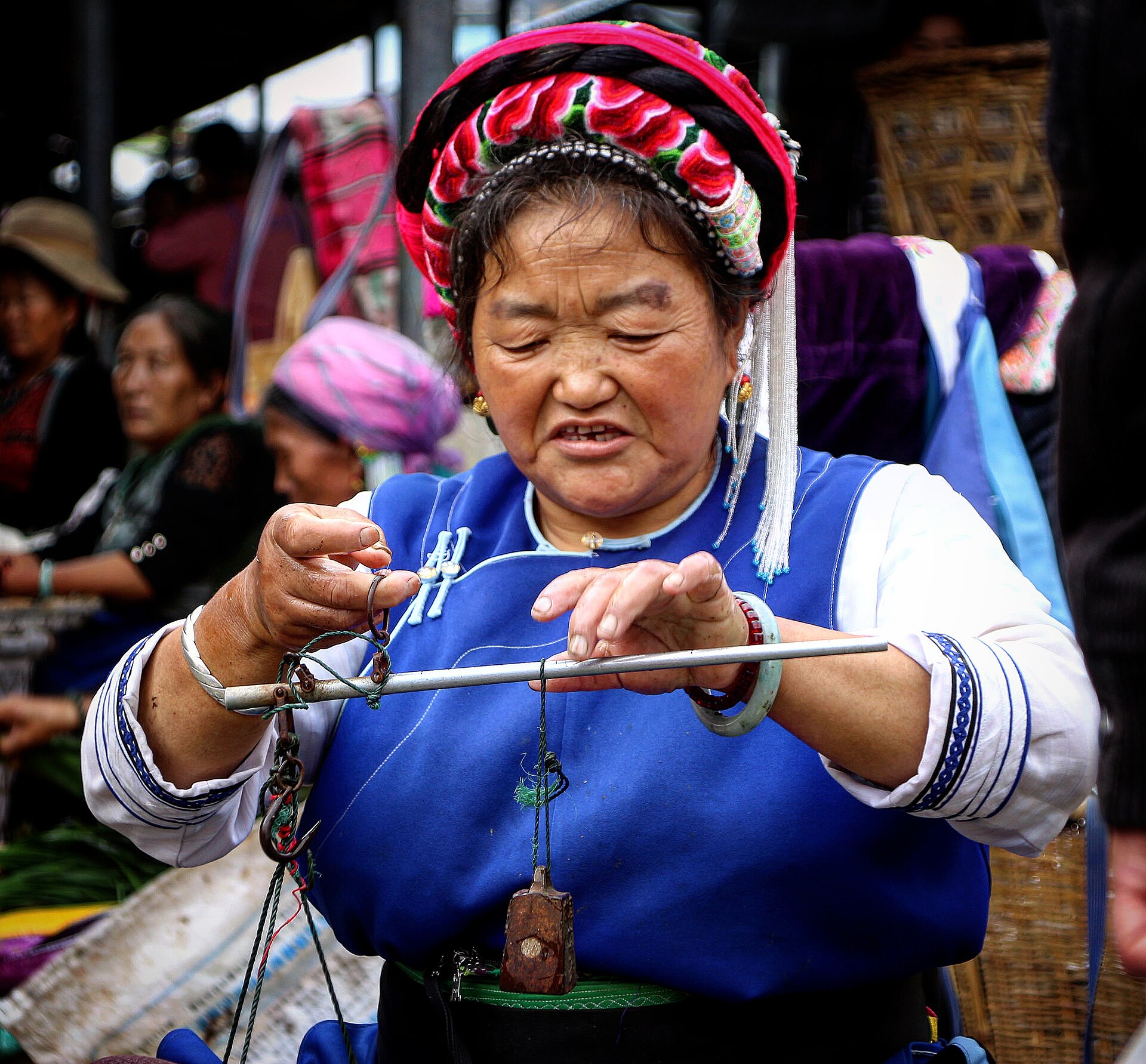
A seasonal dispatch on wild mushrooms, orchid tubers, and the art of the market find.
Essay · 3 min · EN
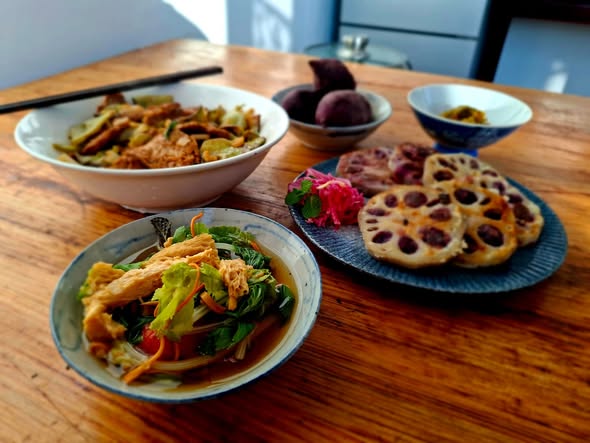
A vegetarian kitchen on practice days: navigating Buddhist tradition through the raw abundance of the market.
Essay · 3 min · EN
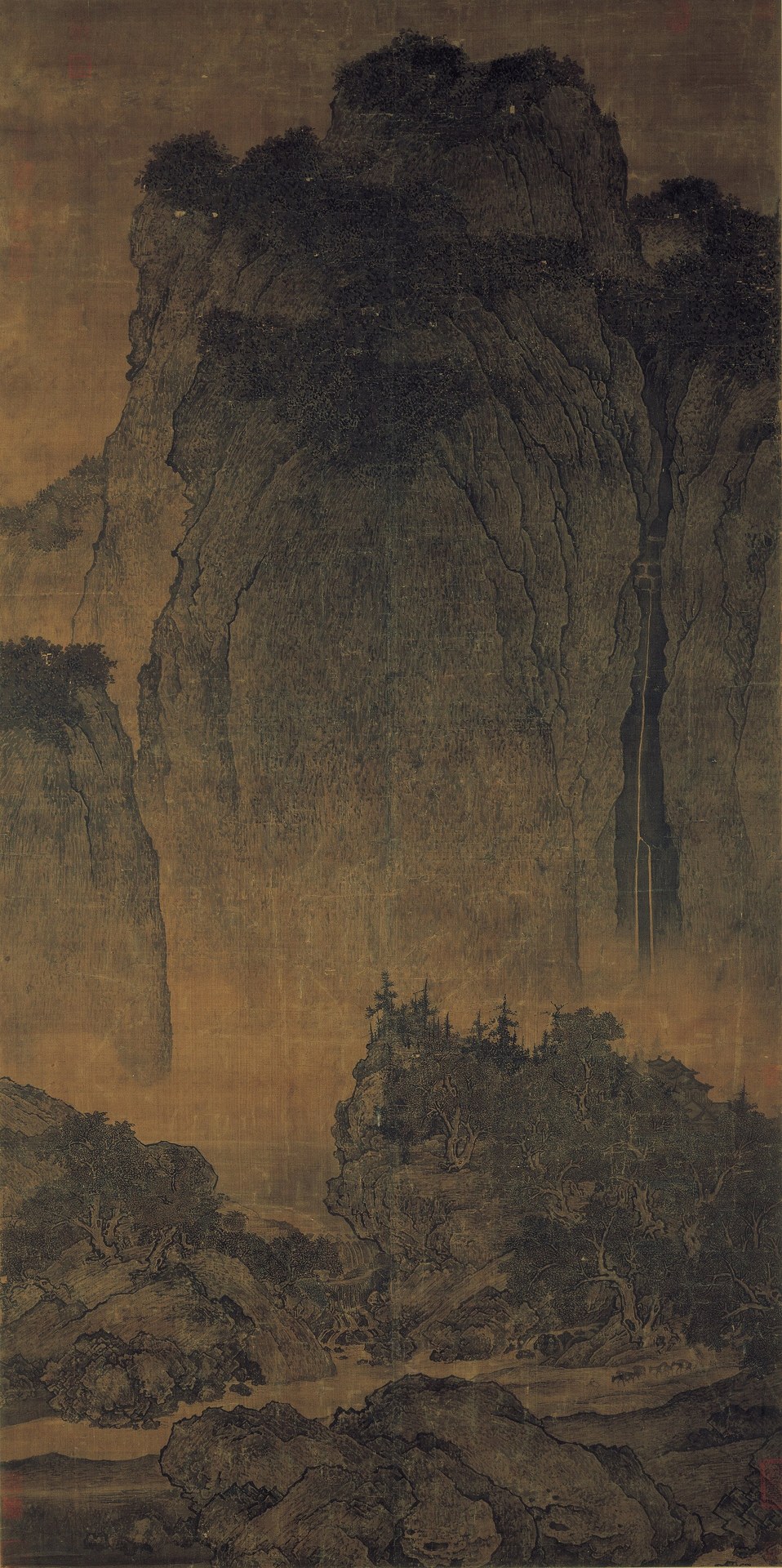
On observation, landscape painting, and the mountain as a site for the practice of thought.
Essay · 4 min · EN
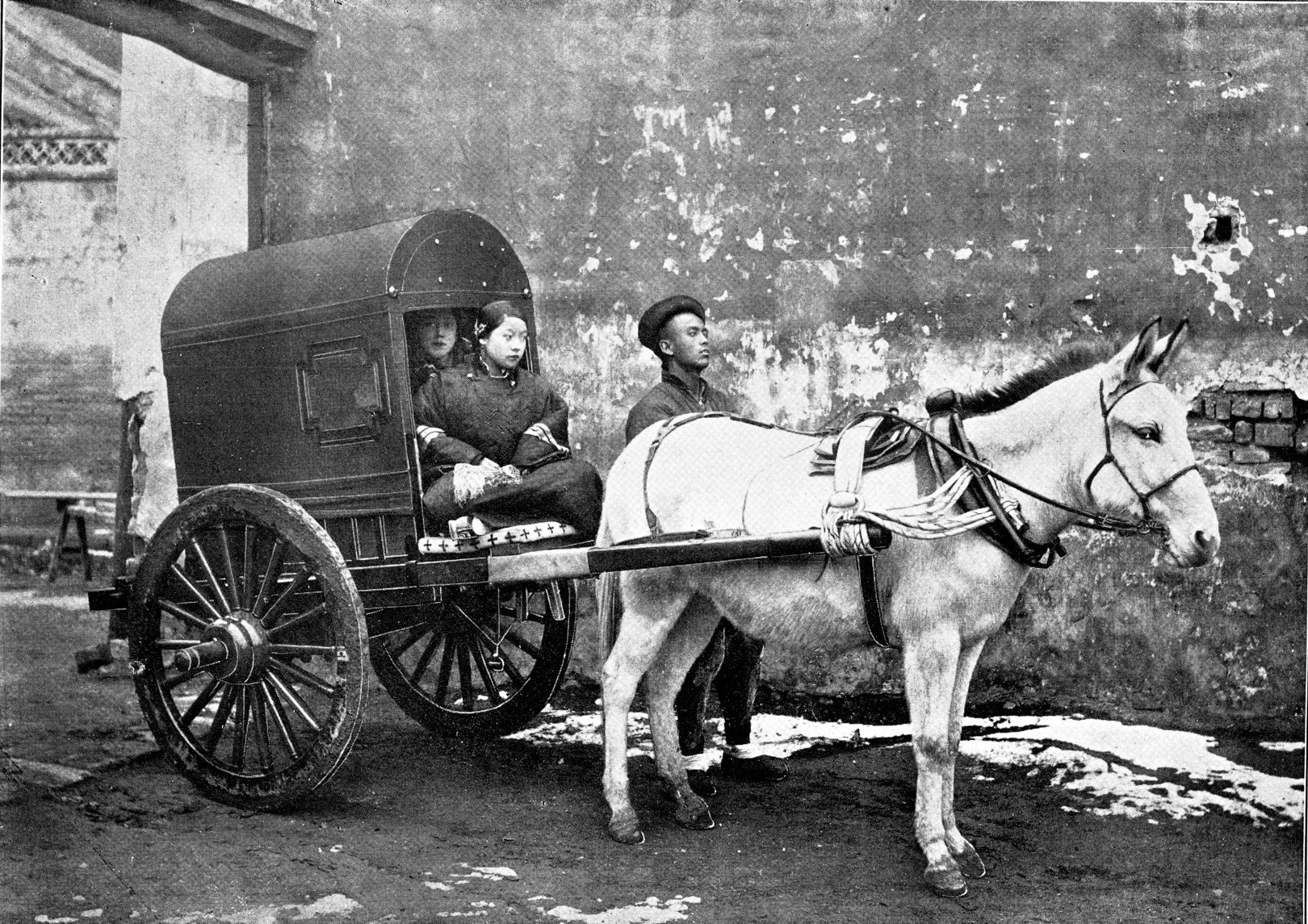
The mule carts that connected Beijing, North China, and the trade networks of the late Empire.
Essay · 3 min · EN
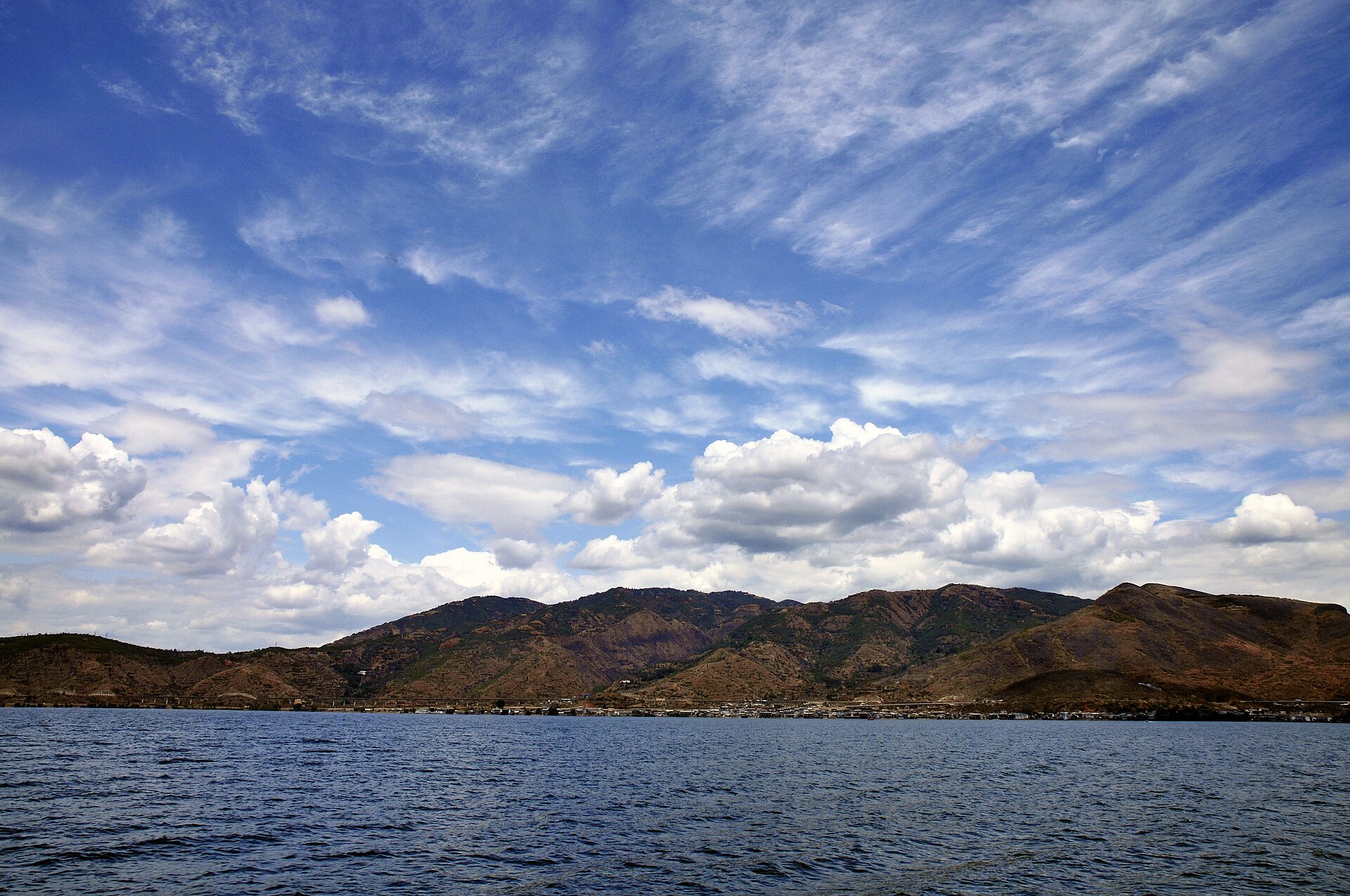
Lake Erhai, the Bai people, and the delicate link between solo garlic, water flowers, and ecological restoration.
Essay · 4 min · EN
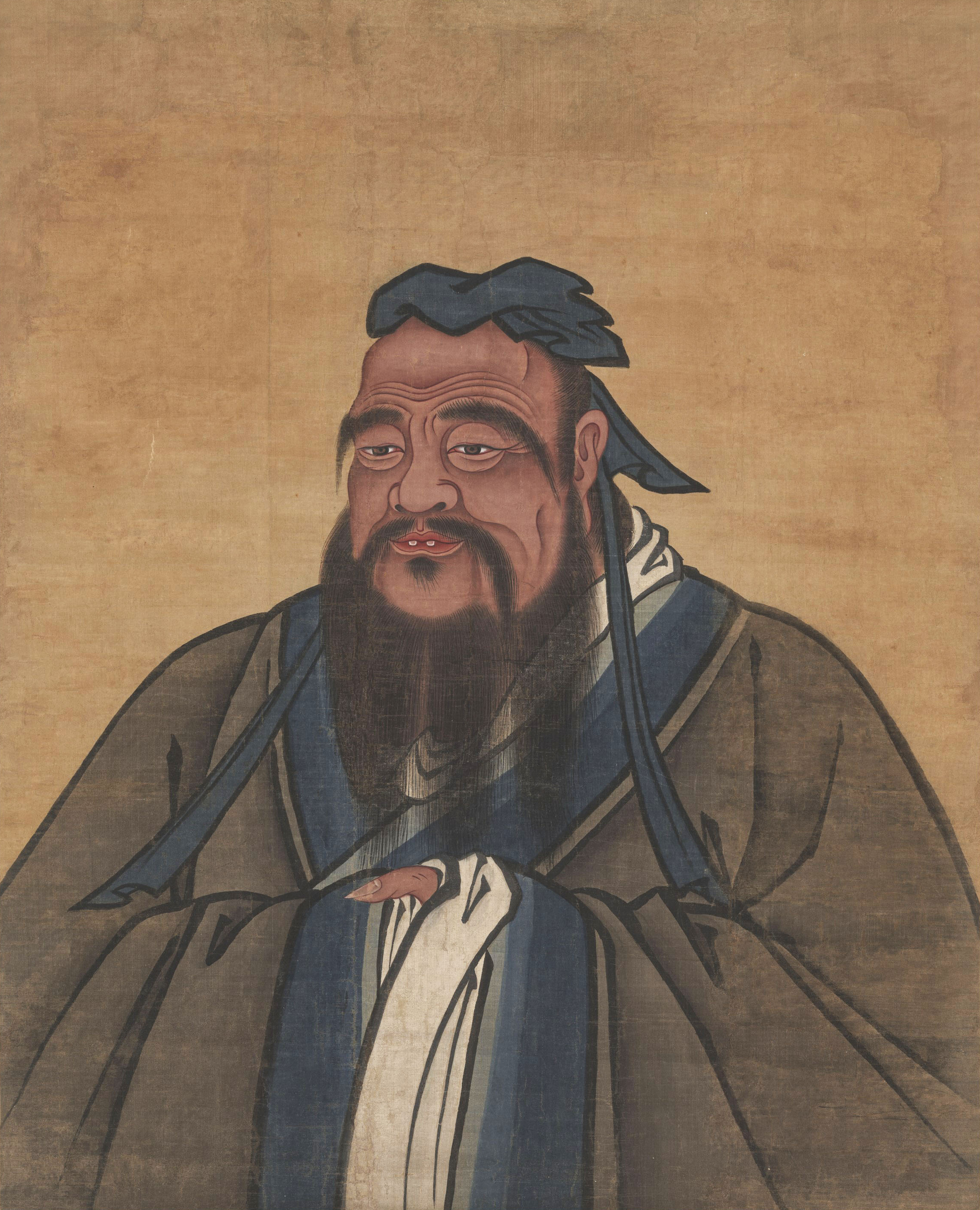
On Confucius, Han Fei, the Daoists, and the possibility of contemplating the present outside the political din.
Essay · 3 min · EN
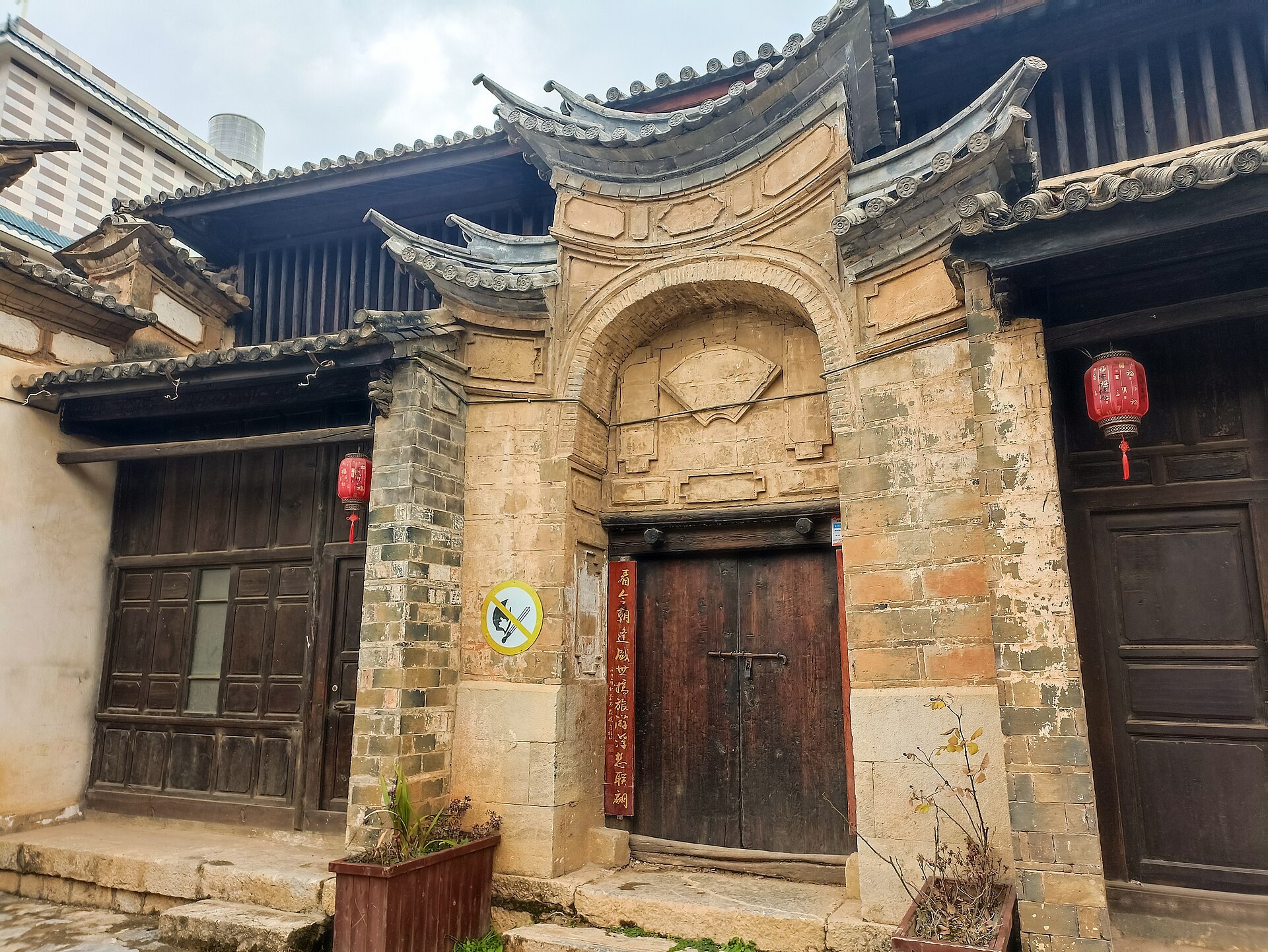
A return to Yunnan and reflections on the labor of sloth, the weight of purpose, and a poem by Bai Yuchan.
Essay · 3 min · EN
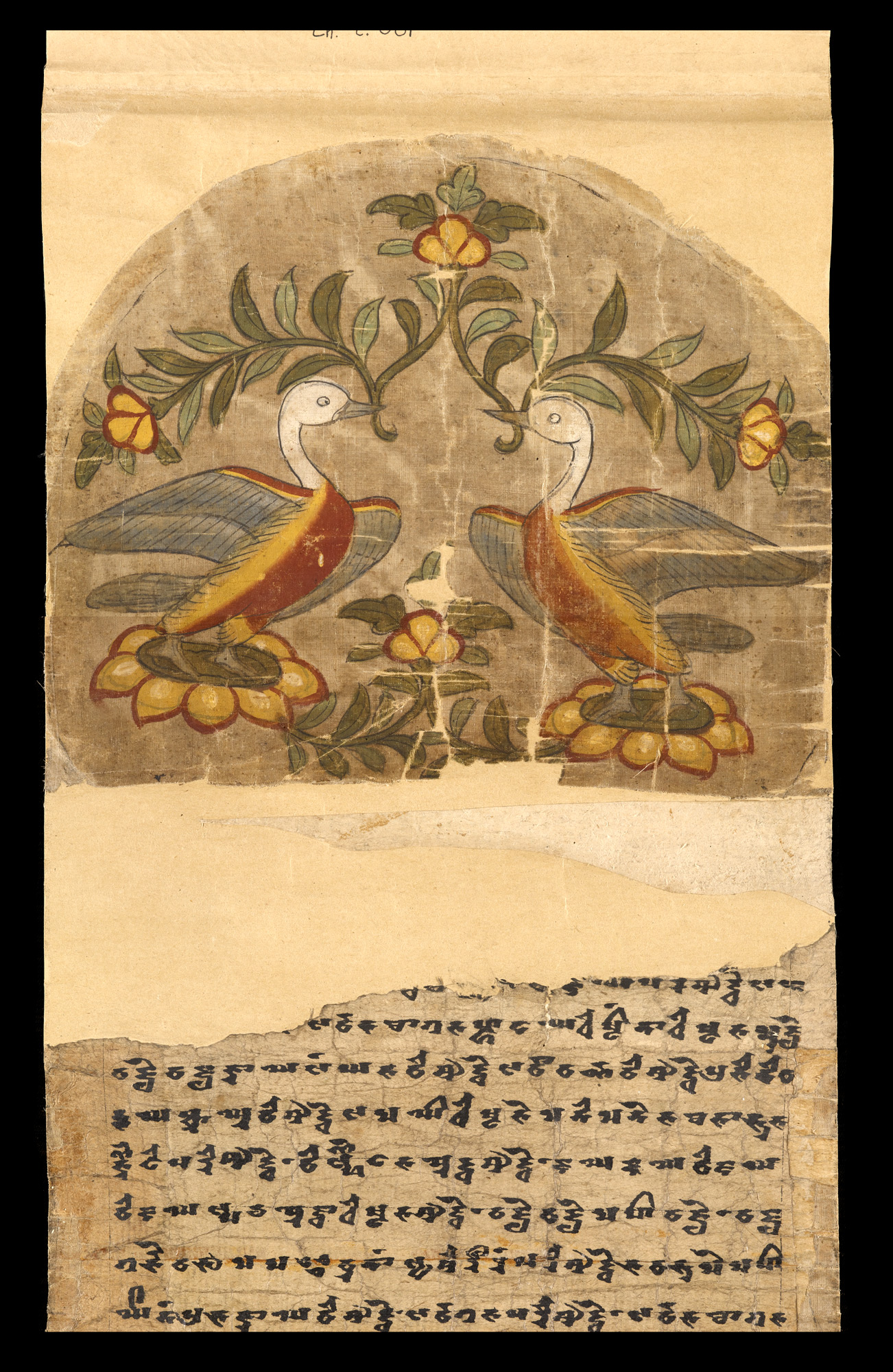
A look at the Dunhuang Buddhist chronicles, the radical Bao Tang school, and the collision of faiths in Tang-era China.
Essay · 4 min · EN
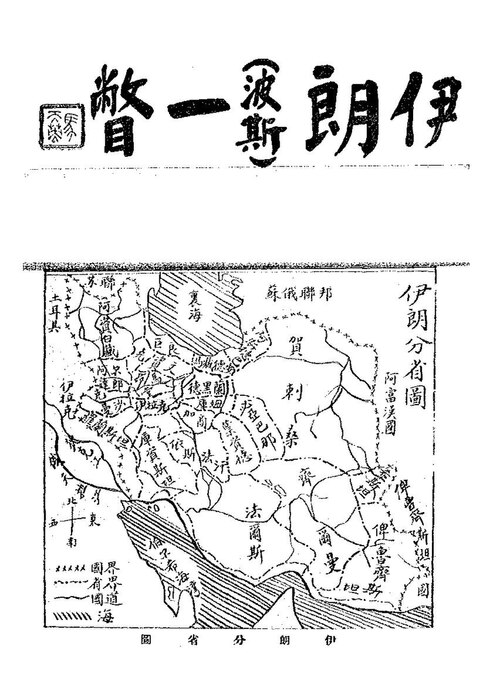
Viewing the structural collapse of the Islamic Republic through the lens of Chinese political philosophy.
Essay · 3 min · EN
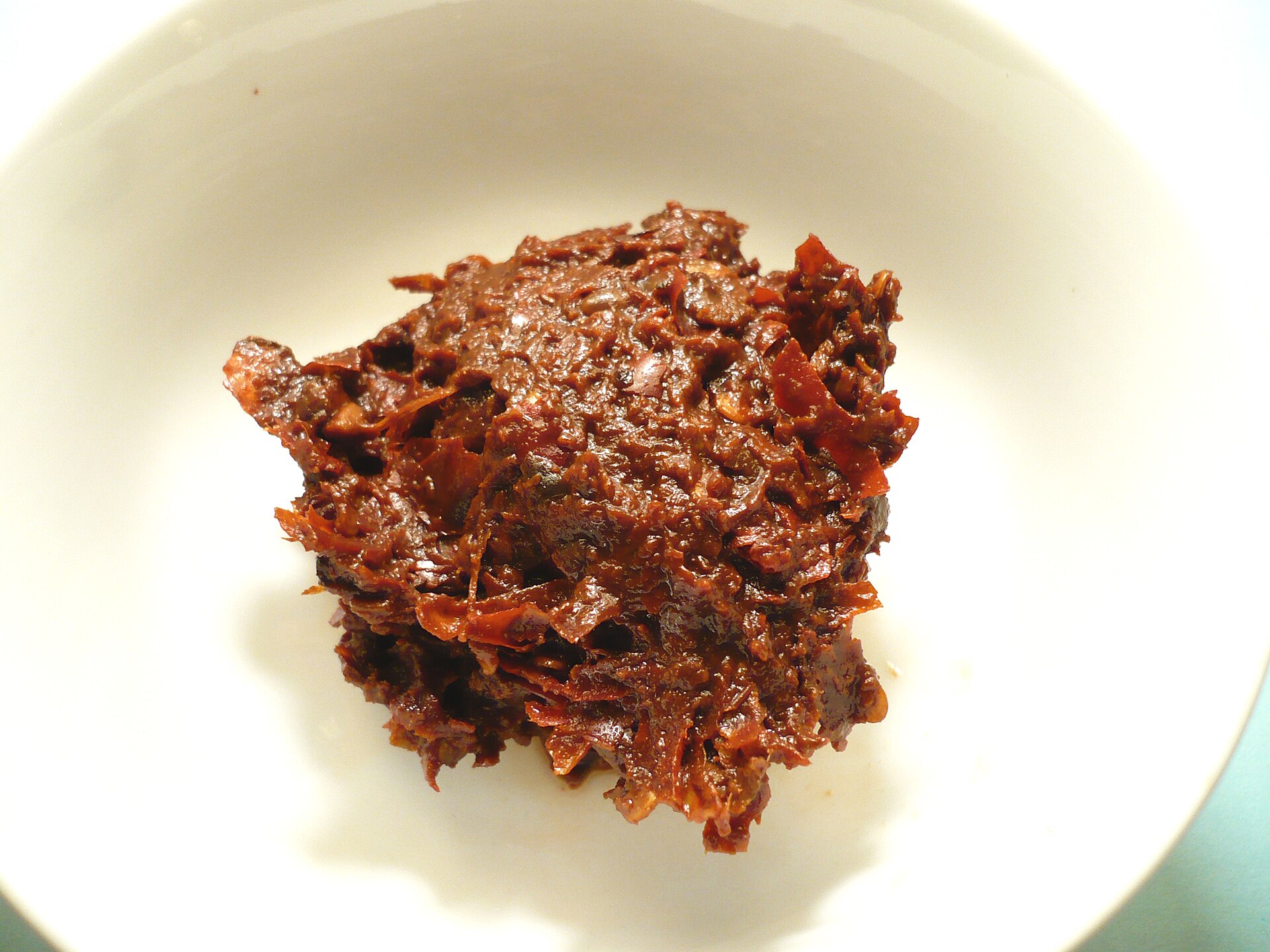
From New World curiosity to the soul of Sichuan, Hunan, and beyond.

Essay · 4 min · EN
Deception, commerce, and the erosion of social trust in late Ming China.
Essay · 3 min · EN
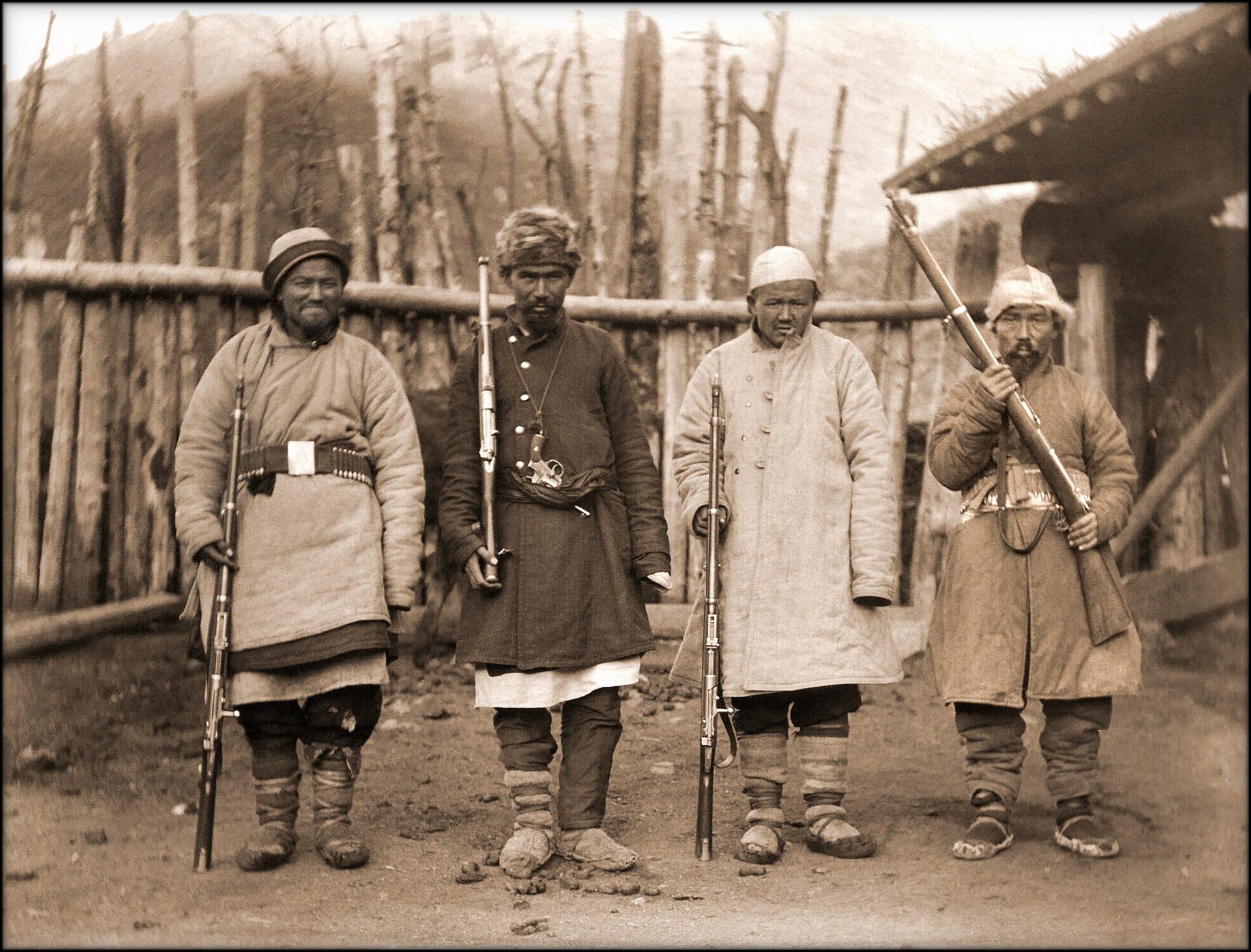
On highway robbery as a barometer of dynastic power—and the arteries of sovereignty in Imperial China.

Essay · 4 min · EN
From the cosmic Long of the imperial court to a weary dragon riding the subway.
Essay · 3 min · EN
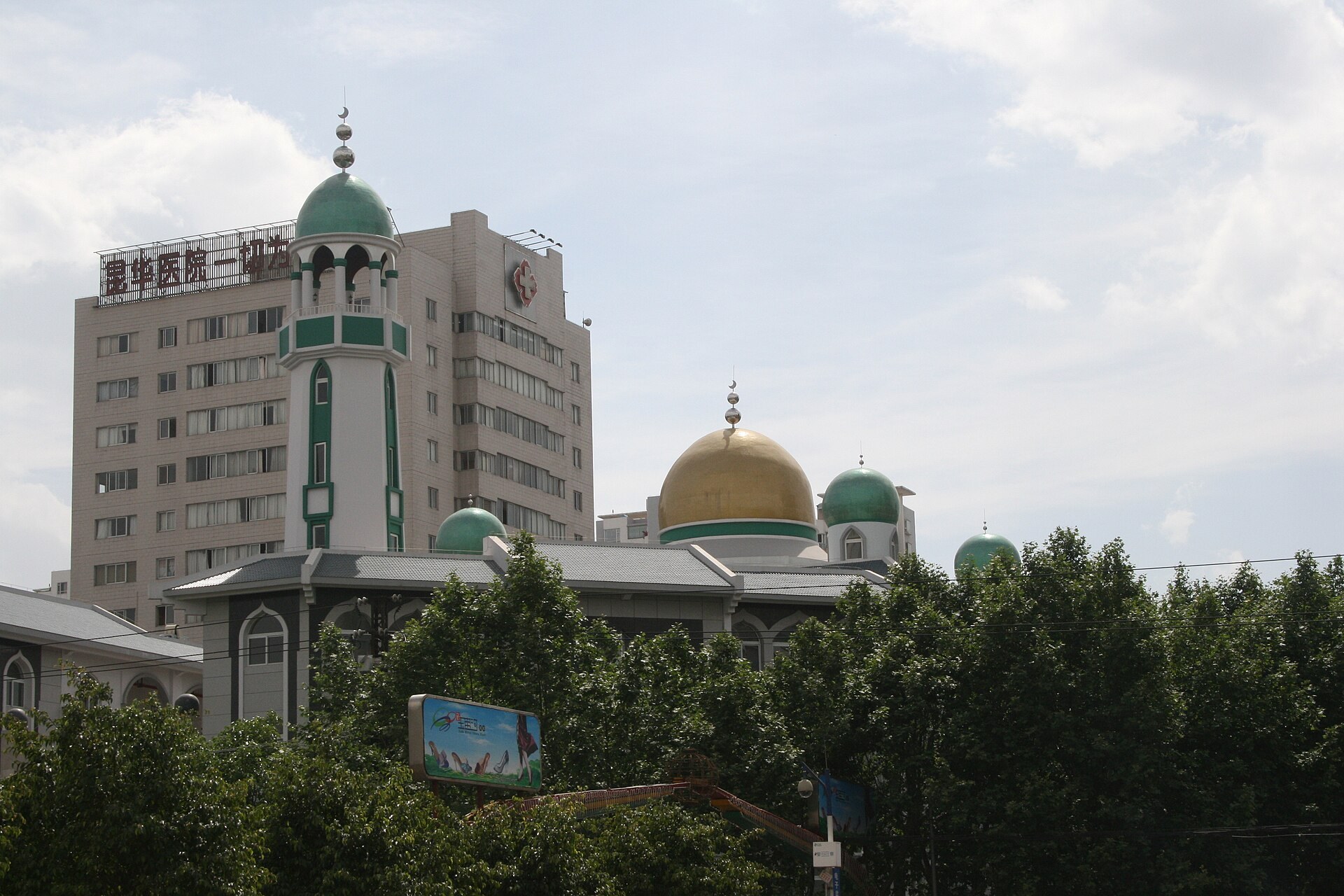
A meditation on the life of Ma Dexin, the resilience of faith, and the delicate art of belonging to two worlds at once.

Essay · 4 min · EN
On the perception of the Chinese South as an ecological and metaphysical frontier—and how a landscape of danger became the empire’s economic and intellectual engine.

Essay · 3 min · EN
“When the springs dry up, the fish huddle together, gasping to keep one another moist; it would be better if they could forget each other in the rivers and lakes.” (Zhuangzi)
Essay · 4 min · EN
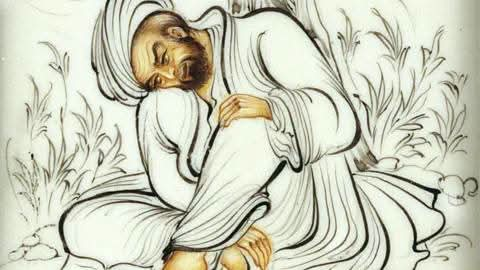
On Persian verse, mystical insight, and the fine line between spiritual transcendence and political authority.

Essay · 1 min · EN
Frederick Marshman Bailey in the uniform of an Austrian soldier.

Essay · 3 min · EN
Tobacco, a New World nightshade, arrived late to Chinese shores. Yet its appearance at the end of the 16th century sparked a quiet revolution, reshaping the consumption habits of every social stratum in the Middle Kingdom.

Essay · 3 min · EN
Marking 746 winters since the wedding of Jalal ad-Din Rumi and the return of his shell to the dust, we recall his immense contribution to the spirit that moves through those who fill their lungs with it and exhale its essence in the proper direction.

Essay · 2 min · EN
Plaster is famously suited for mending what is broken, but in the hands of the Tashtyk, it served a more permanent purpose: fixing the dead in place for the afterlife.

Essay · 4 min · EN
From the streets of Kingston to the alleys of Mea Shearim, human hair is never a trivial matter.

Essay · 1 min · EN
Beyond his flirtations with the sublime, the legendary Khoja Nasreddin was a master of the science of smuggling.

Essay · 1 min · EN
One late summer afternoon, Mullah Nasreddin paused to rest beneath a walnut tree on the outskirts of Bukhara.

Essay · 4 min · EN
Many flowers once graced the gardens of Islam, but above the fragrant rose, the sapphire hyacinth, and the heady narcissus, one stood alone: humble, low-lipped, and divine.

Essay · 1 min · EN
A certain Sufi sat in the town square at midnight, pondering the things Sufis ponder at such hours, seasoning his thoughts with a bottle of raki.

Essay · 5 min · EN
Chinese culture is celebrated for its affinity for the raw and natural, yet its famous gardens reveal a sophisticated effort to neutralize the dangers of the wild.

Essay · 1 min · EN
With back withered, search / where is Lake Biwa / the crow's cry.

Essay · 4 min · EN
“One night, a knock was heard at Khoja Nasreddin’s door.”

Essay · 8 min · EN
From Sassanid legends to the ecstatic rituals of the Mevlevi and Qawwali traditions, music has long served as the bridge between the human soul and the Divine.

Essay · 6 min · EN
When the sun dips below the mountains and the cold begins to bite, nothing warms the soul like a steaming bowl of something rich and fatty.

Essay · 3 min · EN
The Menhuan is the Chinese expression of the Sufi Tariqa—a spiritual lineage tracing back to the Arab and Persian sheikhs who first brought Islam to the Middle Kingdom.

Essay · 2 min · EN
For generations, the heart of the Silk Road was a world-renowned center of blacksmithing and blade-making.

Essay · 4 min · EN
Zoroastrianism, the ancient faith of the Iranian peoples, shaped the moral landscape of the East and left an indelible mark on the monotheistic world.

Essay · 2 min · EN
Central Asia is more than a cradle of religion and art; it is the ancestral home of the species that built the human economy.

Essay · 5 min · EN
The kazan is the quintessential vessel of Central Asia. Long before the modern kitchen and its discontents, this cauldron served every culinary need of the nomadic steppe and the farming villages to the south.

Essay · 5 min · EN
Moments before he breathed his last, Amin plucked out the melody of “The Lark’s Song.” When he was gone, his mother hung his dutar on the mud wall facing his deathbed.

Essay · 8 min · EN
From frontier ribat forts to Safavid road inns — the architecture that made long-distance trade possible, and the metaphor it became.
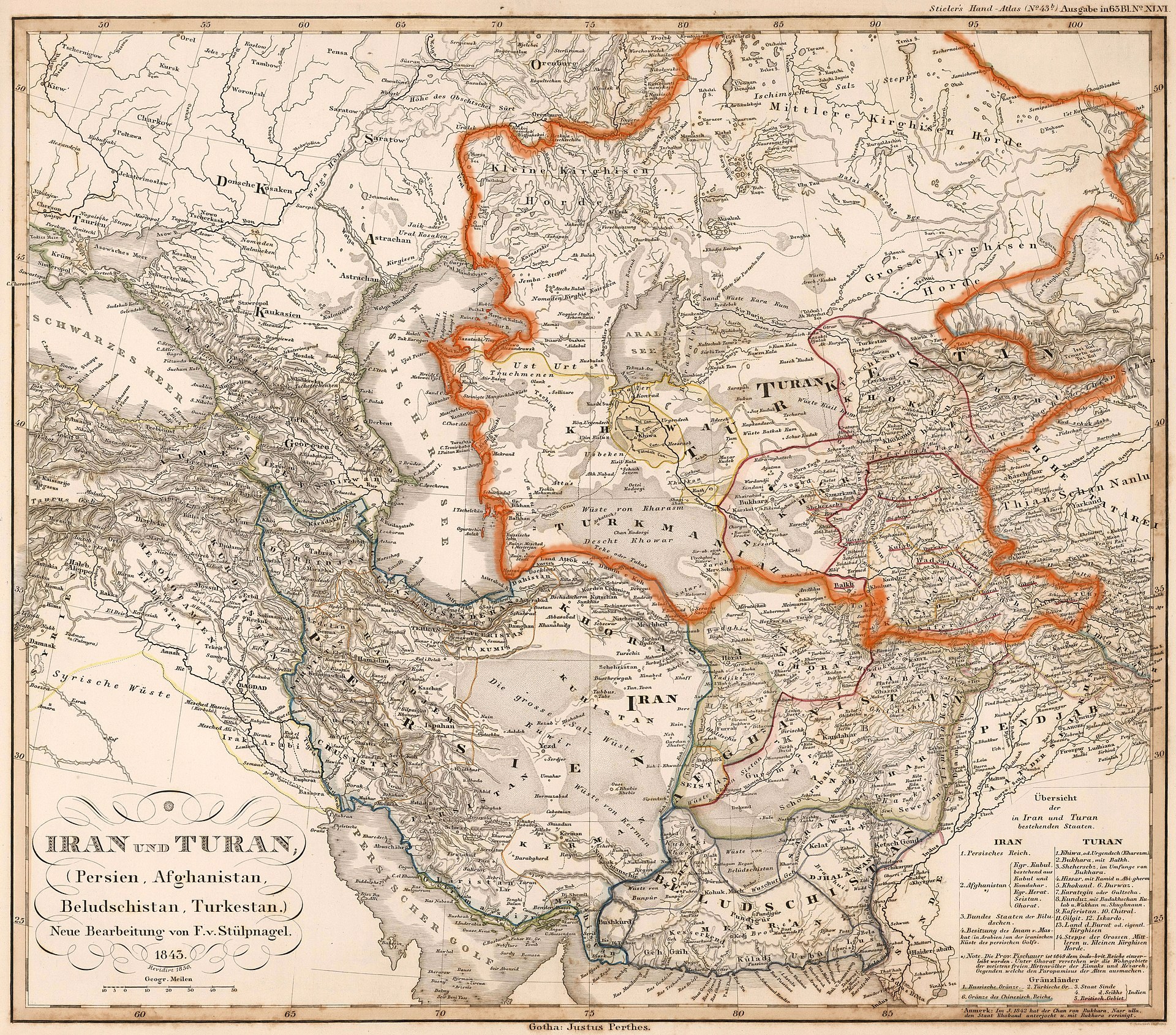
Essay · 6 min · EN
Why the Shahnameh's oldest quarrel is an ecological one: the sown land against the sea of grass.

Essay · 12 min · EN
“Conceal your path / with fallen pine needles / so that no one may discover / your true dwelling.”

Essay · 6 min · EN
Anyone who read 'Where the Wild Things Are' as a child will recognize the kindred spirits in the work of Mehmed Siyah Qalam—the mysterious 14th-century artist known as "Mehmed of the Black Pen."

Essay · 4 min · EN
The art of writing as a spiritual discipline.

Essay · 8 min · EN
The Muslim conquest of Iran and Central Asia (633–751) fundamentally transformed the region's social order, yet its architectural legacy remained deeply rooted in the past.

Essay · 11 min · EN
In September 1260, the Mongol general Kitbugha clashed in the Jezreel Valley with the Mamluk regiments of Sultan Qutuz—a collision that would reshape the medieval world.

Essay · 2 min · EN
猪吃死人肉,人吃死猪肠。猪不嫌人臭,人反道猪香 猪死抛水内,人死掘土藏。彼此莫相啖,莲花生沸汤

Essay · 8 min · EN
If you break open the cherry tree, / Where are the flowers? / But in the spring time, see how they bloom!

Essay · 5 min · EN
On July 1, 1916, one of the bloodiest battles of the First World War broke out.

Essay · 3 min · EN
Readers of Russian literature may know Tolstoy’s Hadji Murat, but few realize the story’s protagonist was a Sufi warrior whose legacy lives on in a famous Hasidic melody.

Essay · 5 min · EN
Buildings are the mold of their native landscape—the product of its climate, geography, and geology.

Essay · 6 min · EN
In the humid summer of 1950, a musicological delegation from Beijing’s Central Conservatory arrived in Wuxi to document the folk traditions of eastern China.

Essay · 5 min · EN
When I was fourteen, my grandmother gave me a small olive tree, a few shallow pots, and a strange pair of shears she had brought back from Japan.

Essay · 3 min · EN
Let’s take the Joker out of the deck, shall we?